
July Birth Flower: Larkspur
Larkspur symbolizes an open heart, ardent attachment, and levity. They are associated with lightness and quickness. Different colors carry different meanings: pink for fickleness, white for happy nature, and purple for first love.
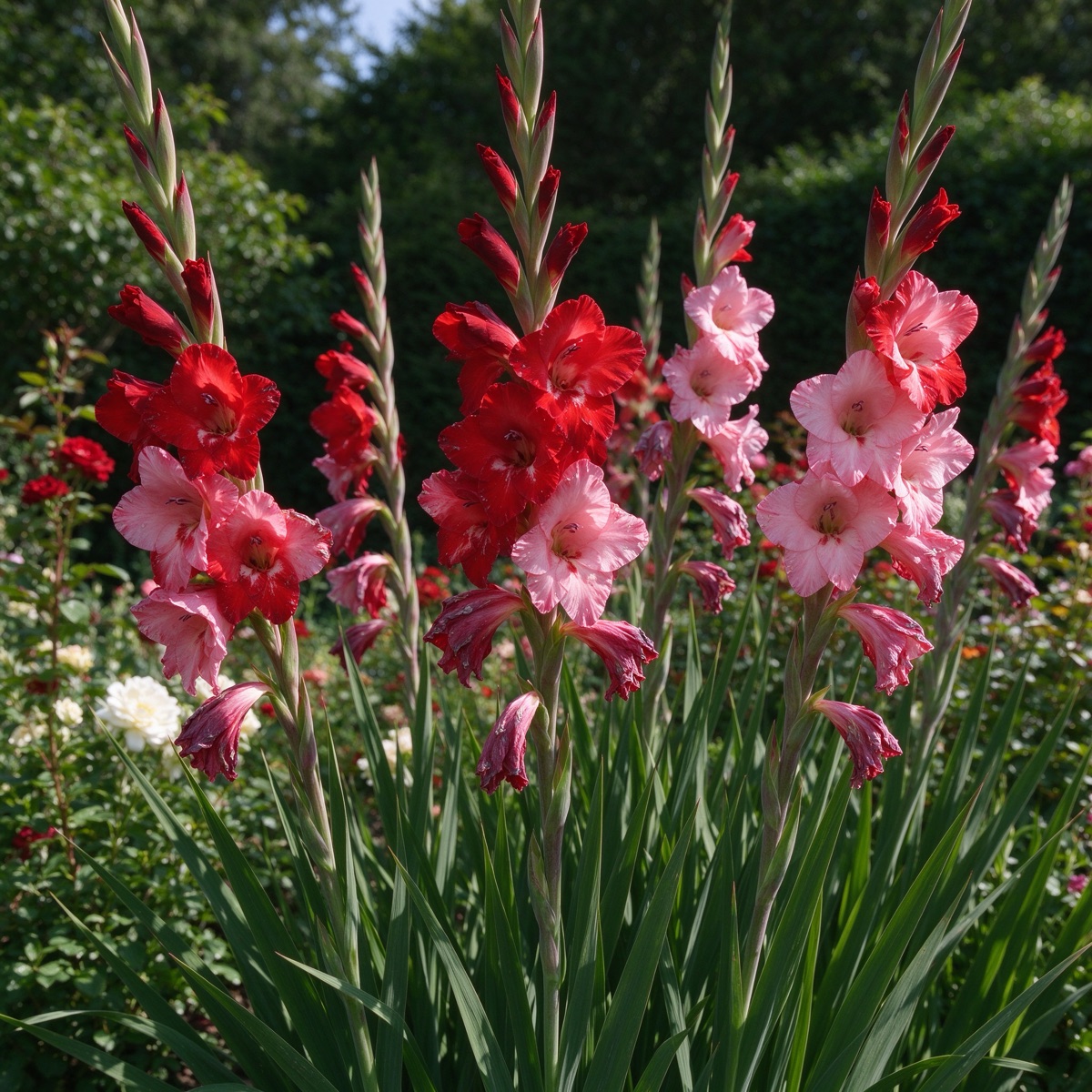
Larkspur is July's birth flower, known for its tall spikes of colorful flowers. These elegant blooms come in shades of blue, purple, pink, and white.
Quick Facts
Meaning & Symbolism
Larkspur symbolizes an open heart, ardent attachment, and levity. They are associated with lightness and quickness. Different colors carry different meanings: pink for fickleness, white for happy nature, and purple for first love.
Growing & Care Tips
Larkspur prefers full sun and rich, well-drained soil. They grow best in cool summer climates and are hardy in zones 4-7. Tall varieties may need staking. They bloom in early summer.
History & Origins
Larkspur was chosen for July because it blooms in mid-summer, when the garden is at its peak. The ancient Greeks associated larkspur with the god Apollo, who was said to have transformed a young hunter into the flower after he was accidentally killed. In medieval times, larkspur was associated with protection and was worn to ward off evil spirits and snakes.
Cultural Significance
Larkspur has a rich folklore history. In the language of flowers, larkspur symbolizes an open heart and ardent attachment. The name "larkspur" comes from the shape of the flower, which resembles the spur on a lark's foot. In the Victorian era, different colors of larkspur carried different meanings: pink for fickleness, white for a happy nature, and purple for first love. In modern times, larkspur is associated with lightness and levity, and is often used in summer bouquets and wedding arrangements.
Did You Know?
The name "larkspur" comes from the shape of the flower, which resembles the spur on a lark's foot. All parts of the larkspur plant are poisonous if ingested.
The larkspur stands tall, a spire of hope and devotion.