
Complete Plant Growing Guides & Care Tips
Expert, research-backed guides for growing vegetables, herbs, houseplants, and flowers. Data sourced from university extensions and ASPCA.
Popular Plant Guides
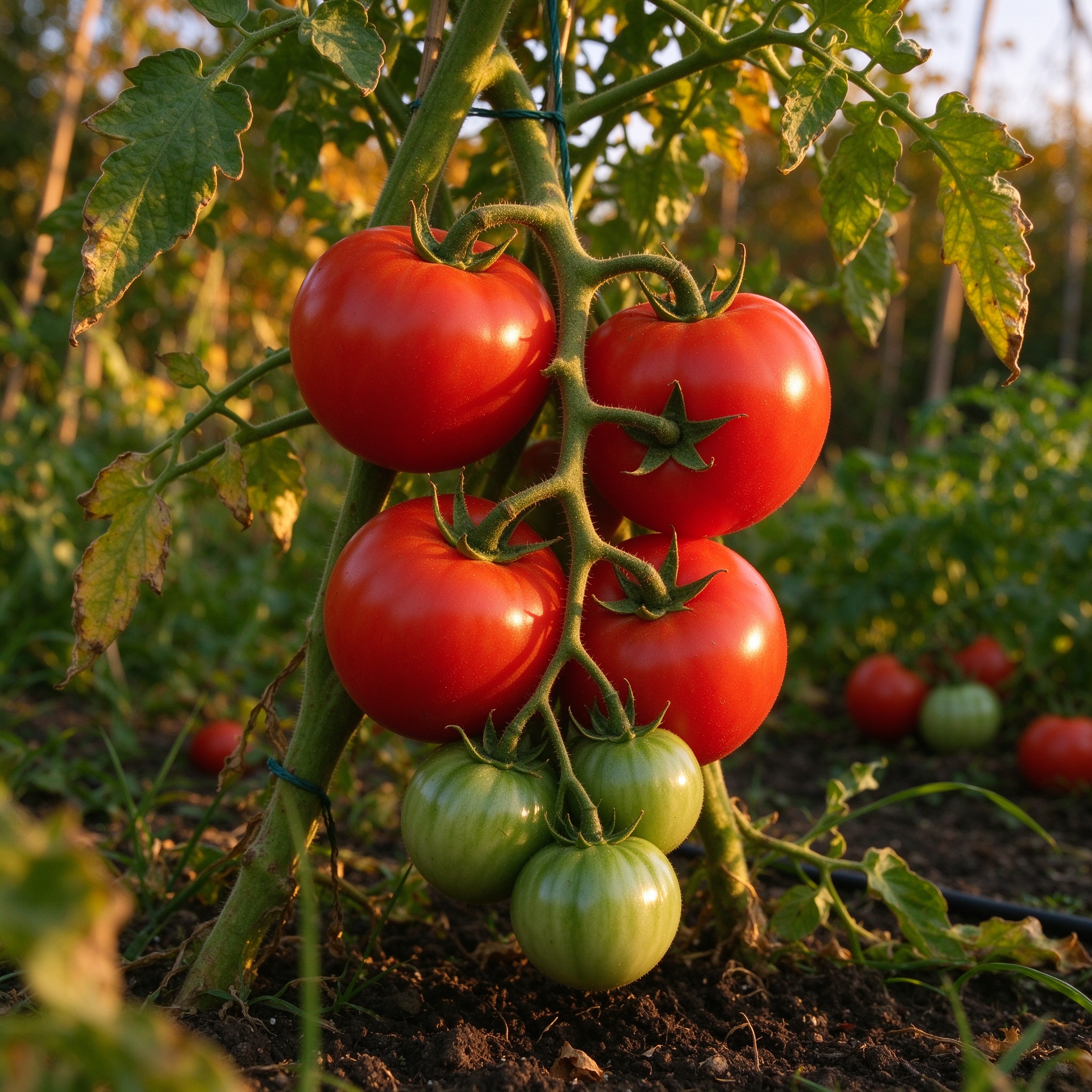
Tomatoes (Solanum lycopersicum) are tender warm-season annuals in the nightshade family, grown for their juicy, sun-ripened berries in every color from cherry-red to deep purple.
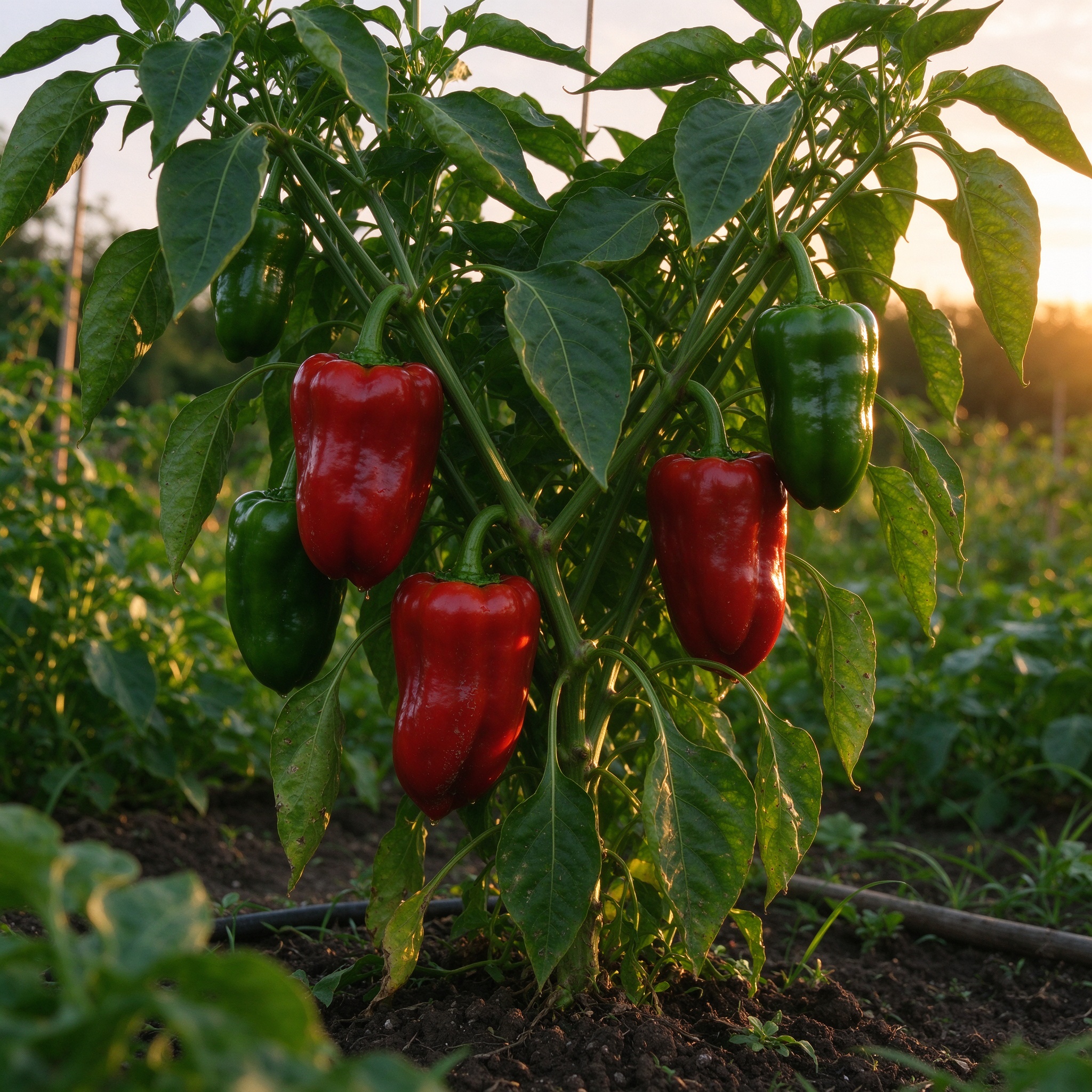
Bell peppers (Capsicum annuum) are warm-season, frost-tender perennial nightshades grown as annuals for their blocky, thick-walled sweet fruits that mature from green to red, orange, yellow, or purple.
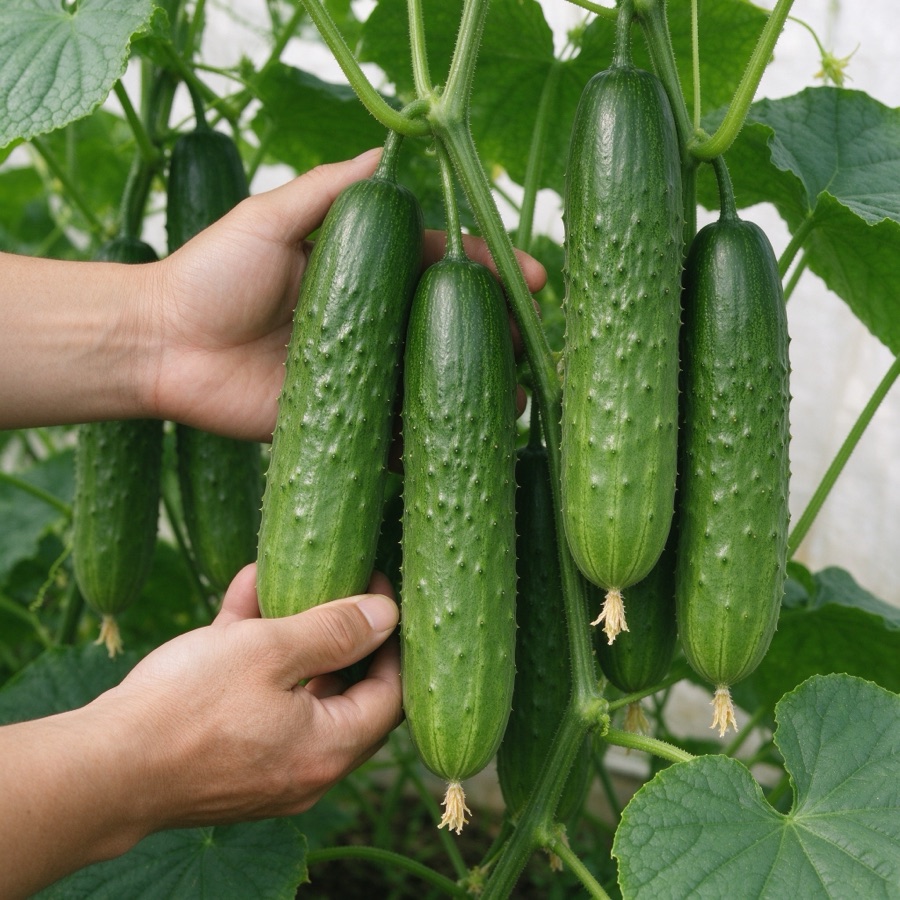
Cucumbers (Cucumis sativus) are fast-growing warm-season vines in the gourd family (Cucurbitaceae), grown for their crisp, watery fruits eaten fresh or pickled.
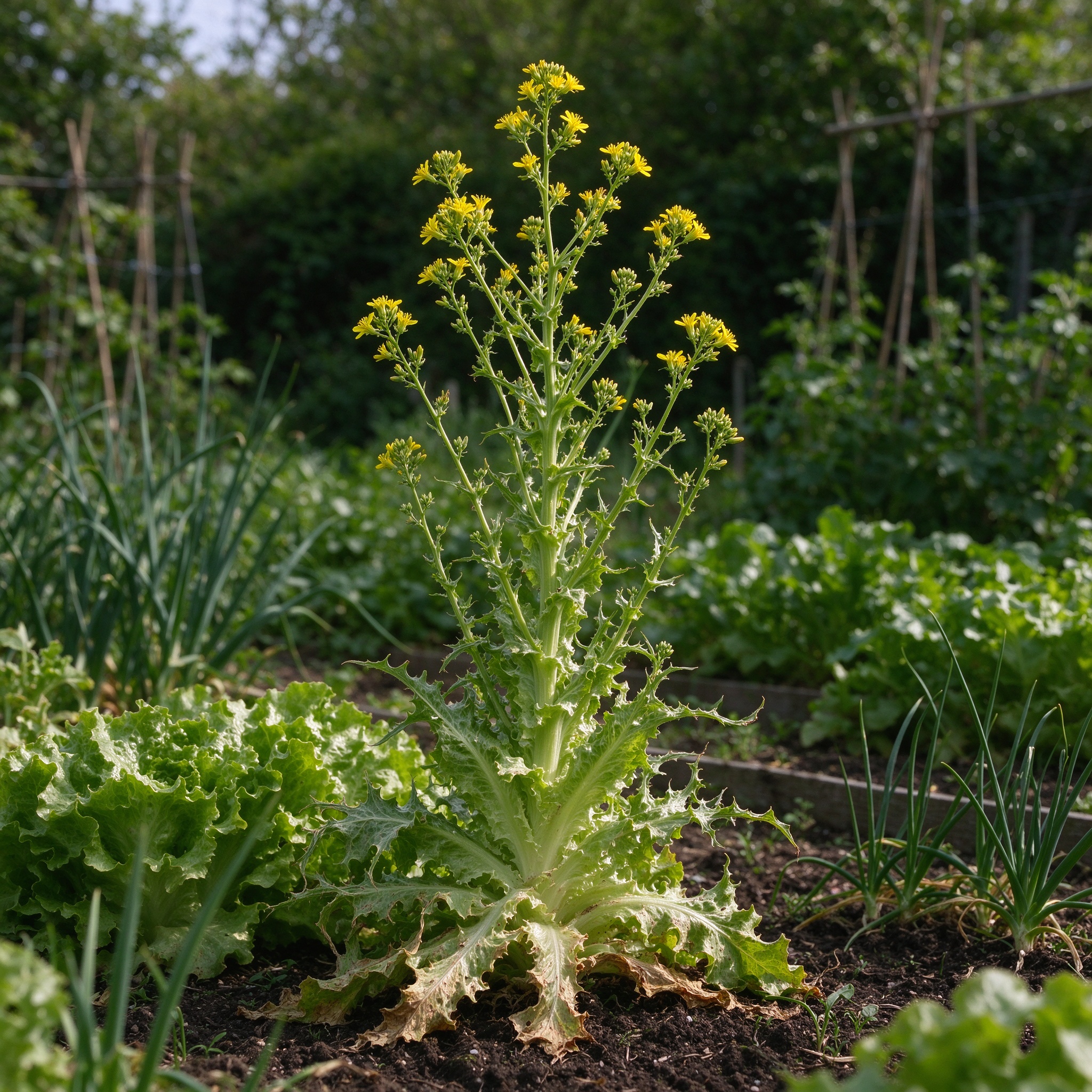
Lettuce (Lactuca sativa) is a fast, cool-season annual in the daisy family grown for its tender edible leaves, in head, romaine, butterhead, and loose-leaf forms.
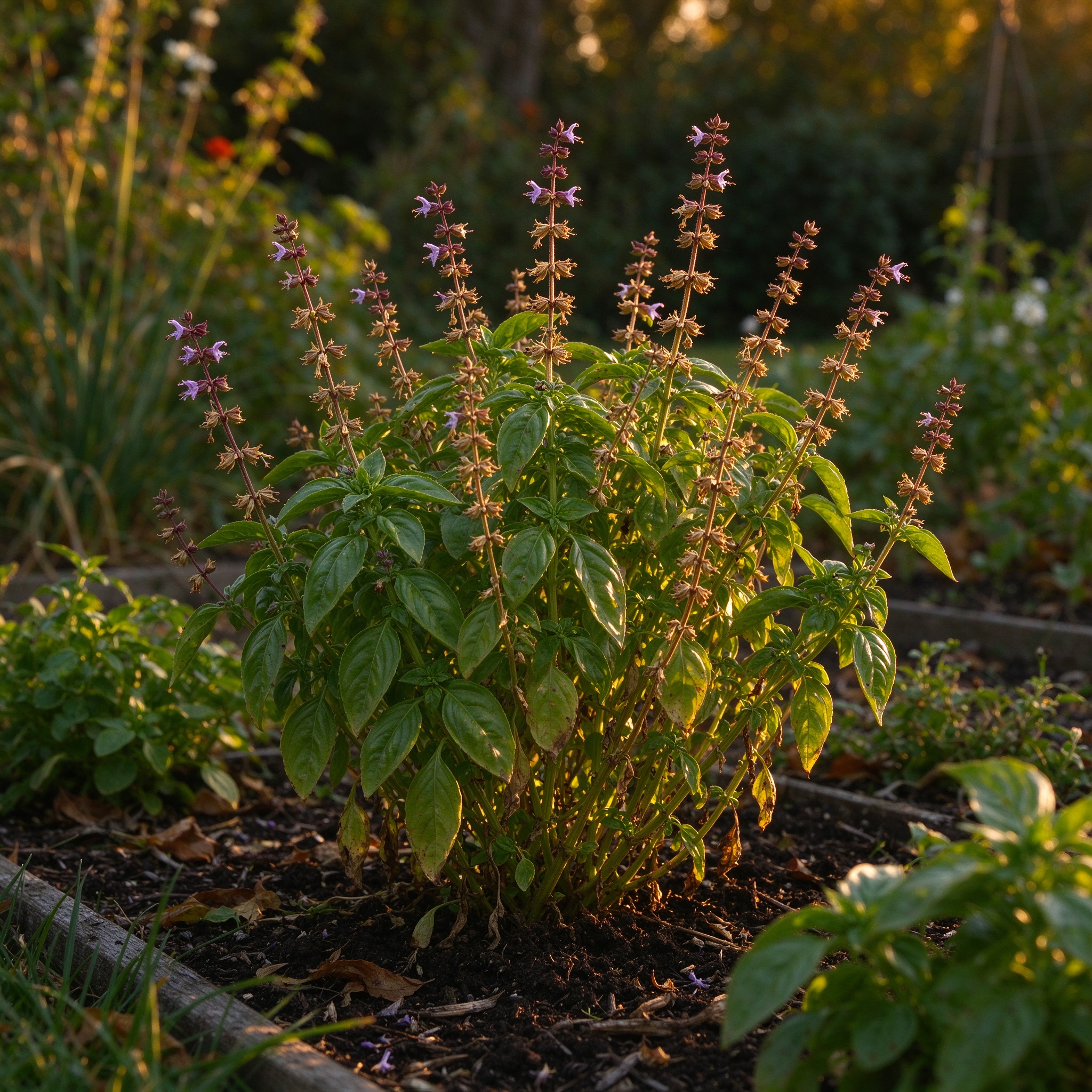
Sweet basil (Ocimum basilicum) is a fast-growing, frost-tender annual in the mint family, prized for its aromatic, peppery leaves that are essential to pesto, Caprese salad, and summer Italian cooking.
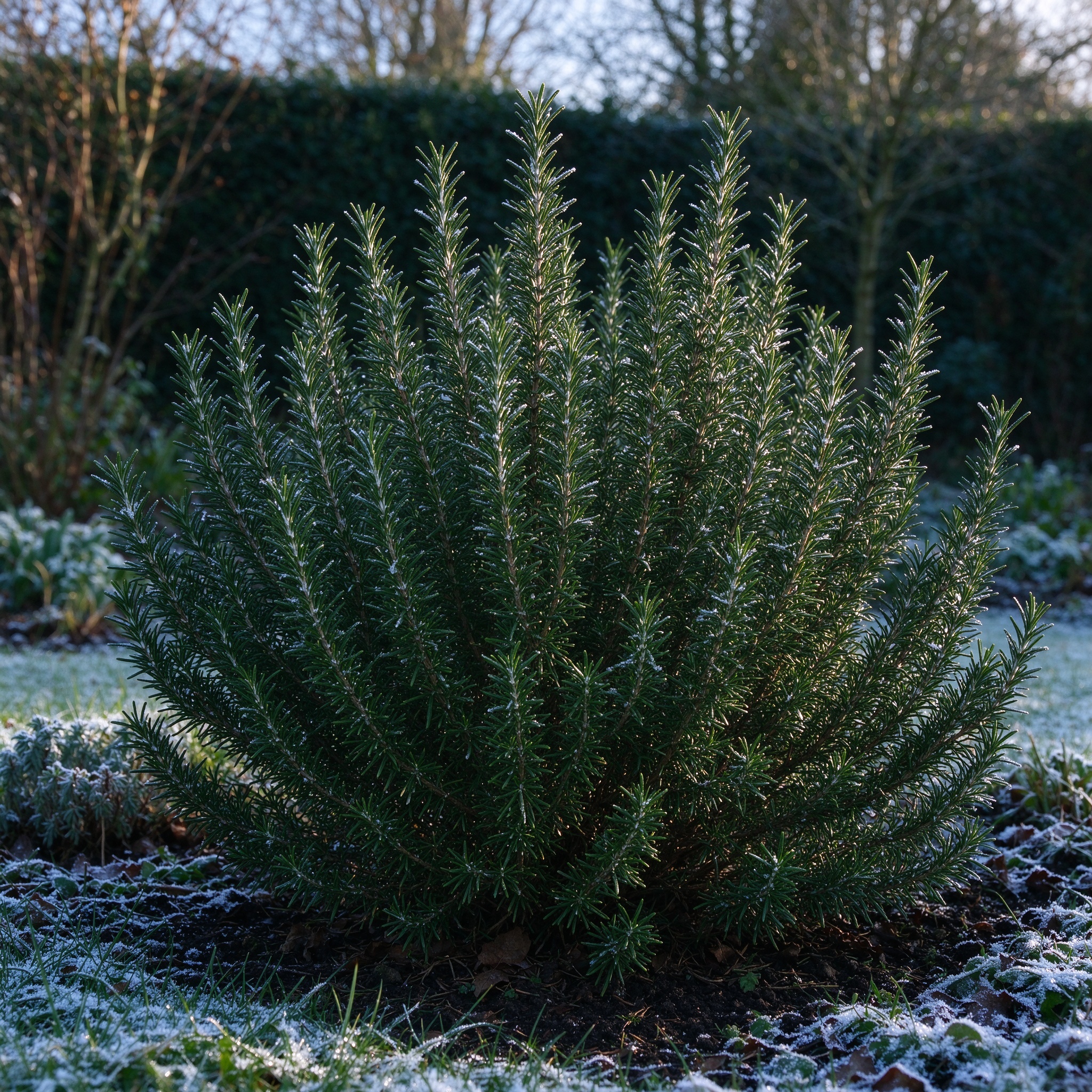
Rosemary (Salvia rosmarinus, formerly Rosmarinus officinalis) is a woody, evergreen shrub in the mint family native to the Mediterranean, grown for its aromatic needle-like leaves and tiny blue, lavender, or white spring flowers.
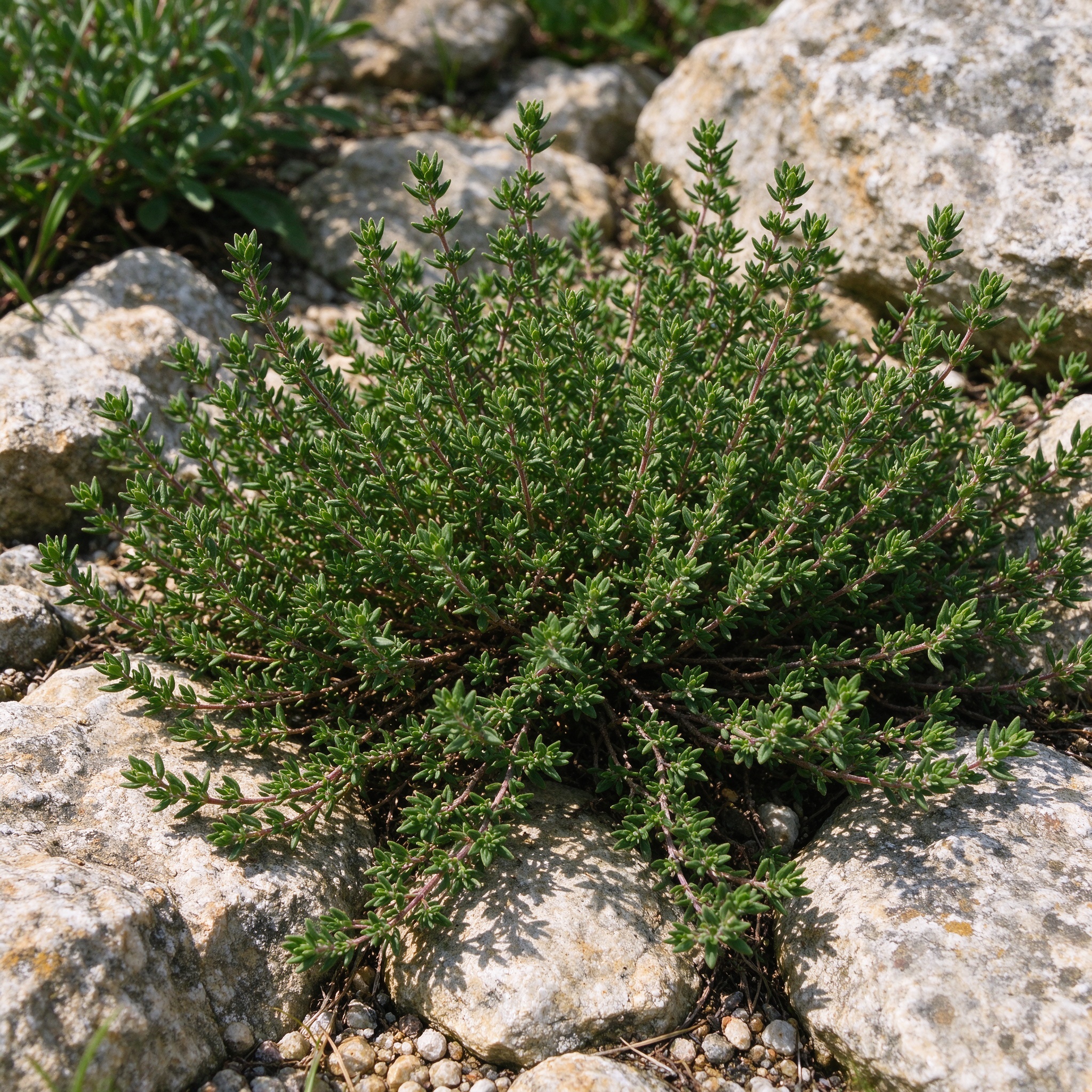
Thyme (Thymus vulgaris) is a low, woody-based perennial subshrub in the mint family, growing 6 to 12 inches tall in a spreading mound of tiny aromatic gray-green leaves.
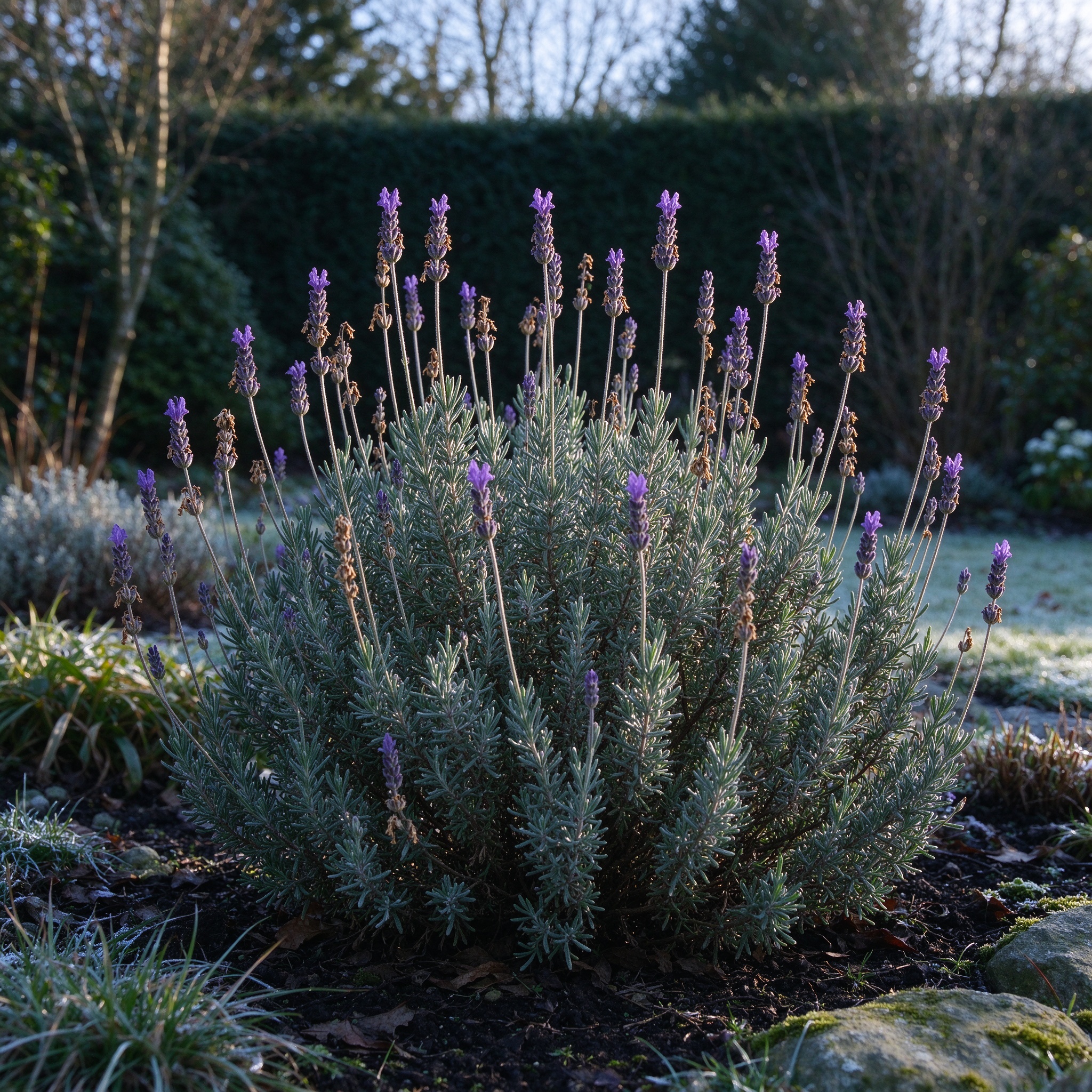
English lavender (Lavandula angustifolia) is an evergreen perennial shrub in the mint family native to the Mediterranean, grown for its fragrant blue-violet summer flower spikes and narrow gray-green foliage.

Monstera deliciosa, commonly called the Swiss cheese plant or split-leaf philodendron, is a woody, broadleaf evergreen climbing vine in the arum family (Araceae), native from Mexico to Panama.

Pothos (Epipremnum aureum), also called Devil's Ivy or golden pothos, is a low-maintenance, herbaceous perennial broadleaf evergreen vine in the arum family (Araceae), native to the Society Islands in the South Pacific.
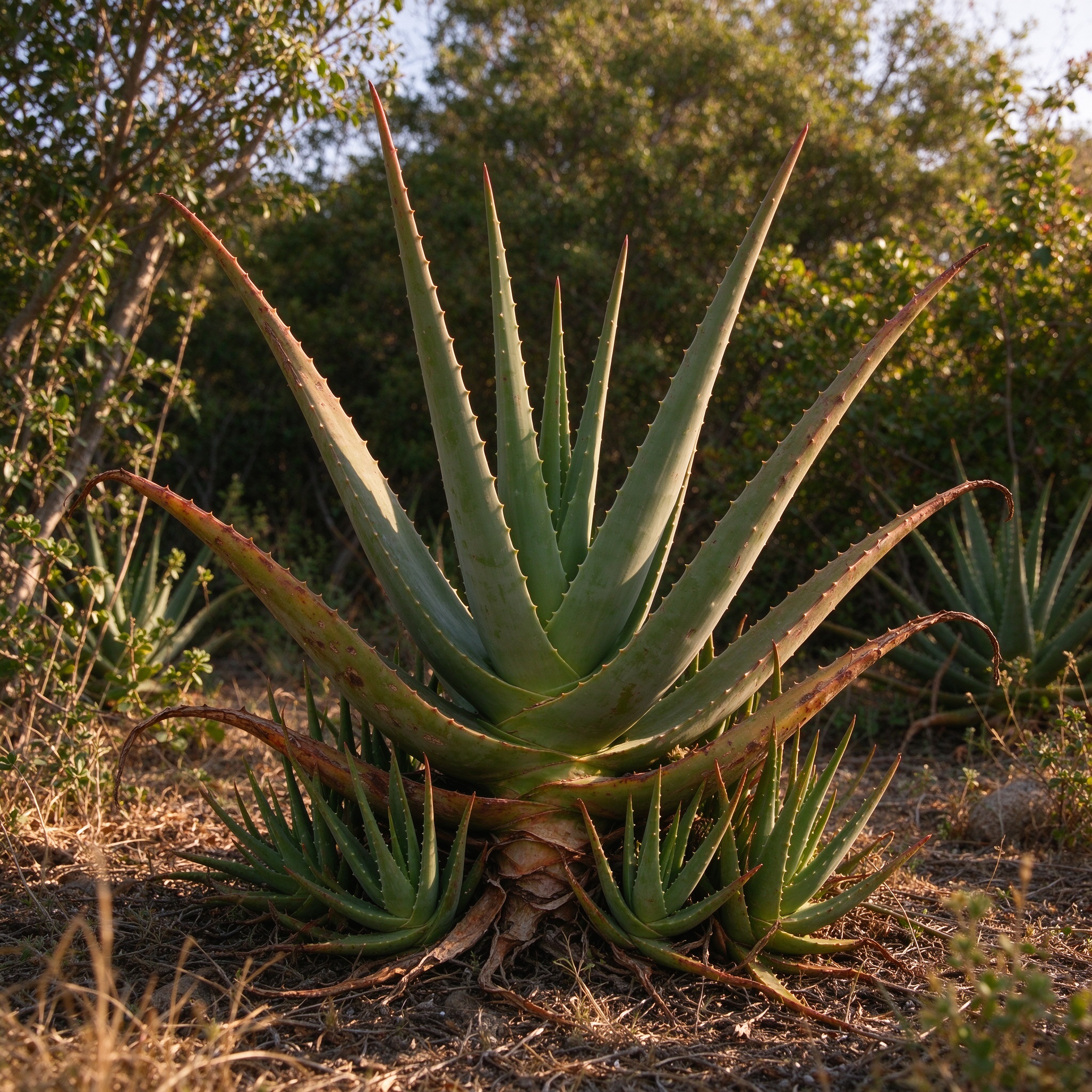
Aloe vera is an evergreen, stemless or short-stemmed succulent in the Asphodelaceae family, native to the Arabian Peninsula and now grown worldwide as a houseplant and outdoor perennial in frost-free regions.
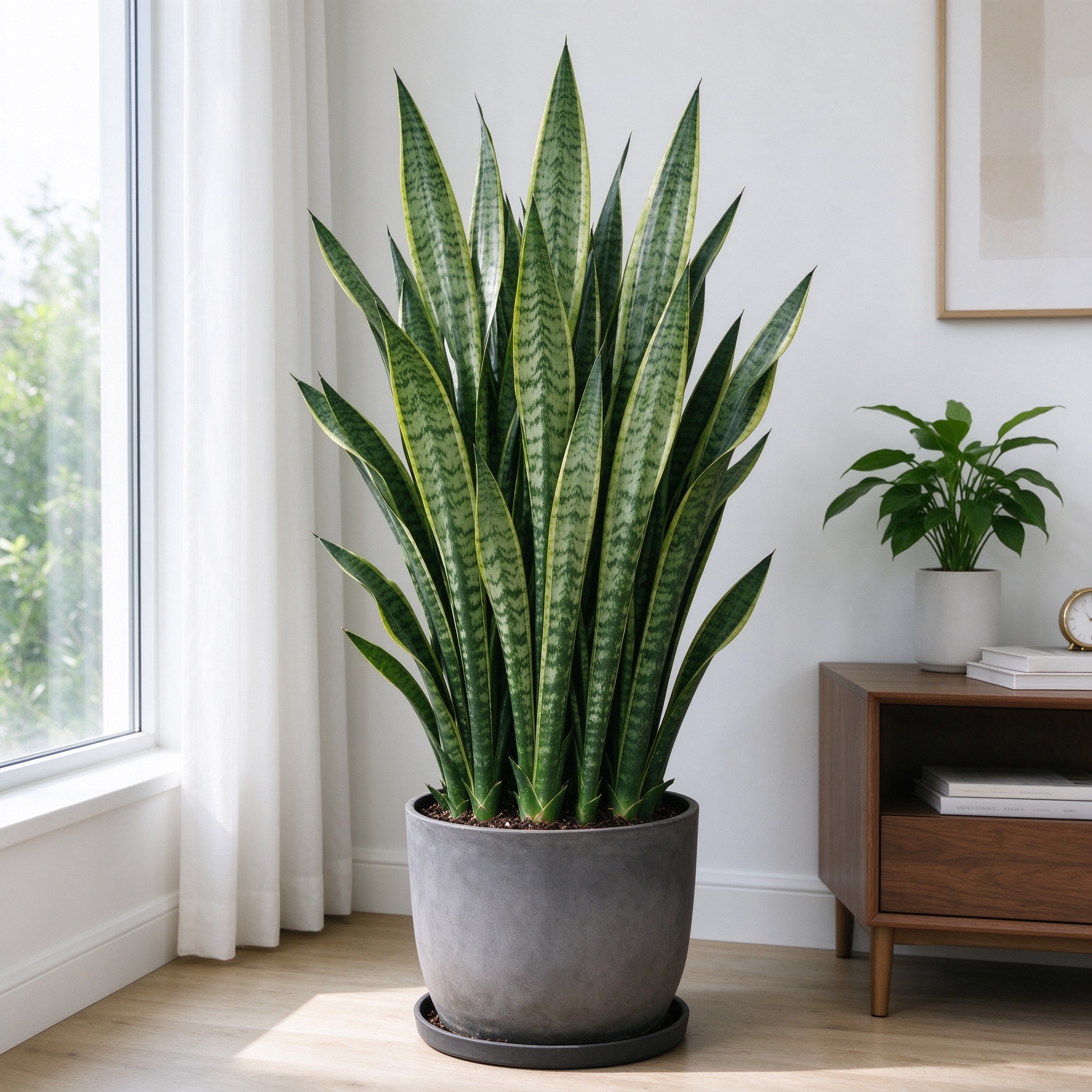
Snake plant (Dracaena trifasciata, formerly Sansevieria trifasciata), also called mother-in-law's tongue, is an erect, clumping, broadleaf evergreen succulent perennial in the asparagus family (Asparagaceae), native to West and West Central Africa.
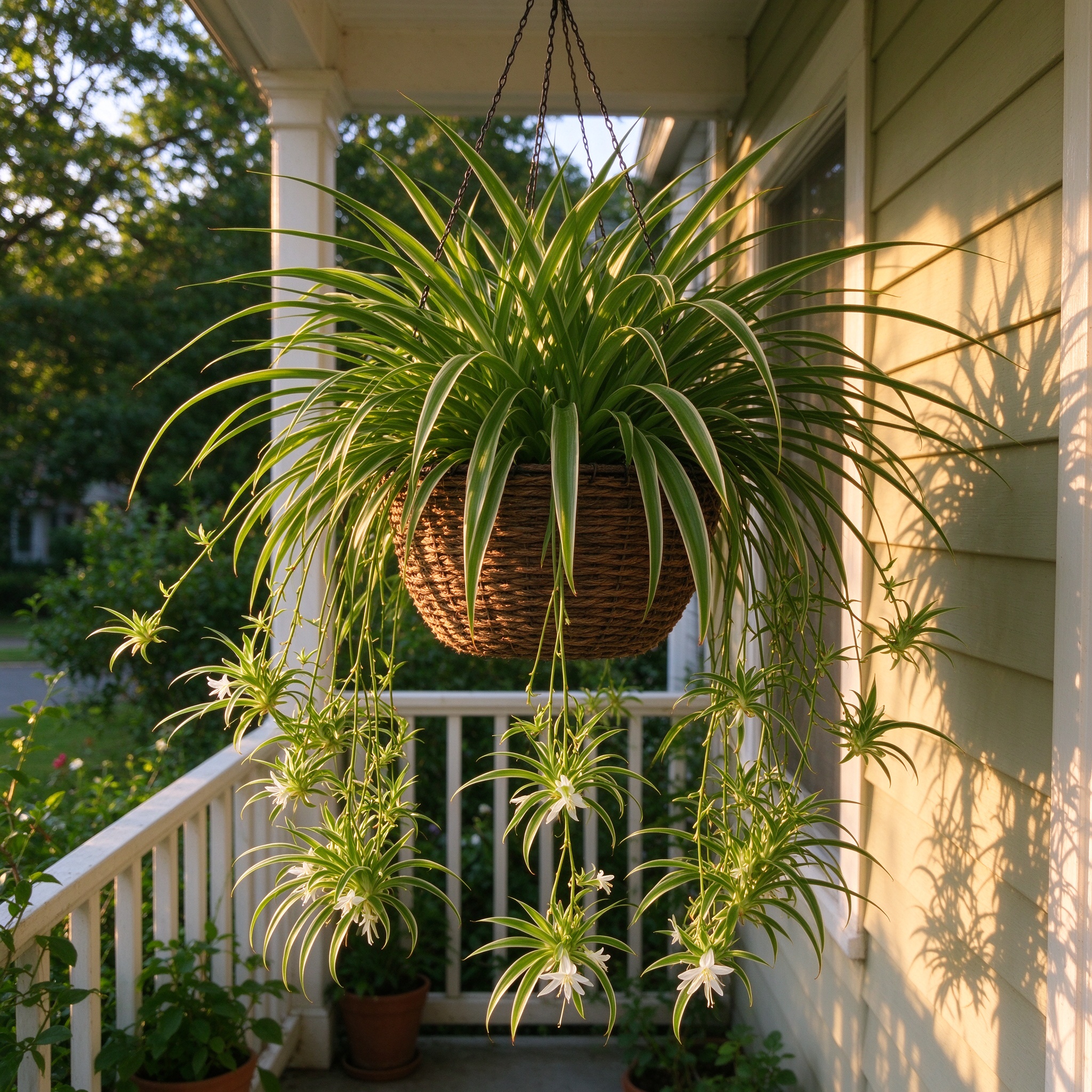
Spider plant (Chlorophytum comosum) is an herbaceous perennial houseplant in the Asparagaceae family, native from tropical West Africa to Cameroon and from Ethiopia down to South Africa.
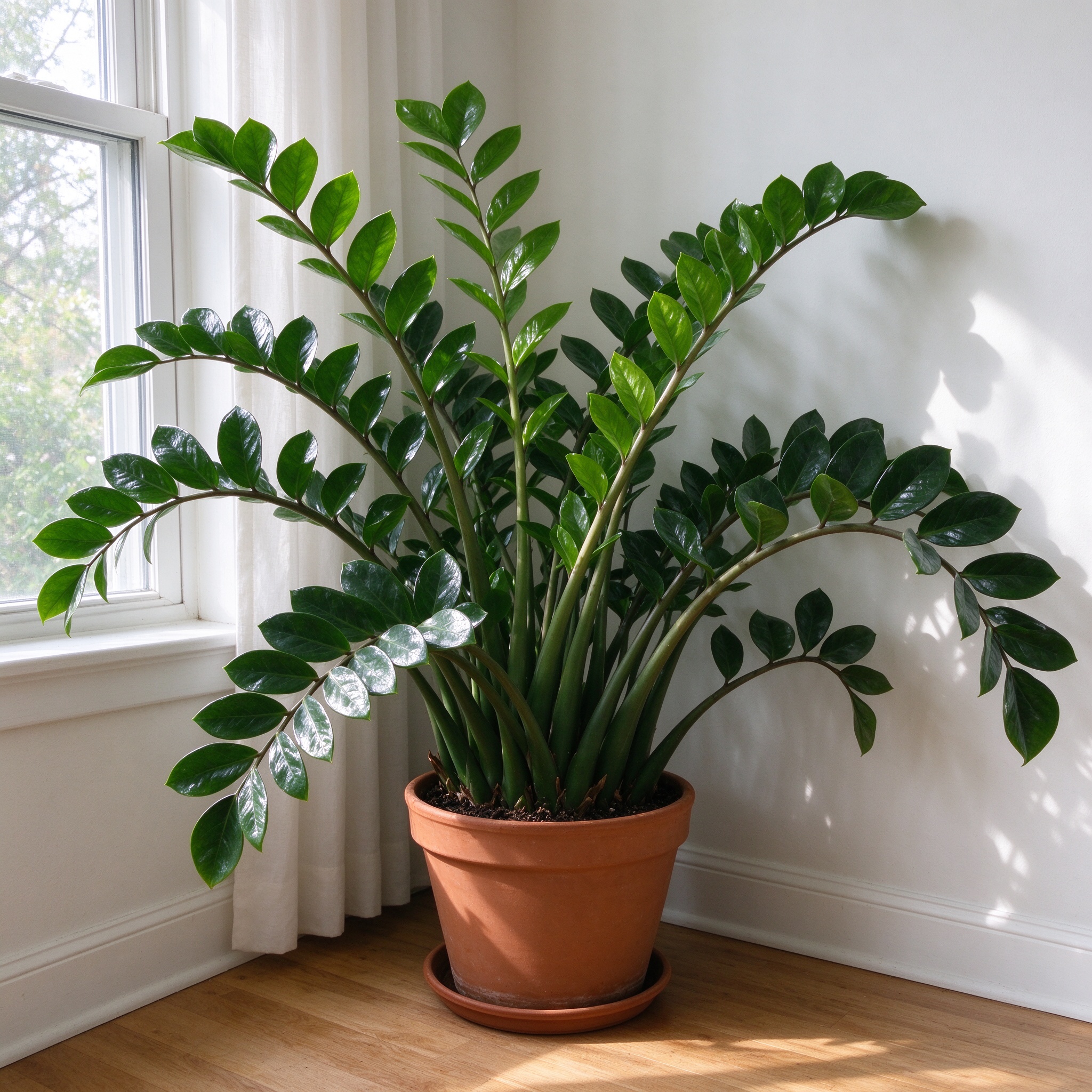
ZZ plant (Zamioculcas zamiifolia) is a rhizomatous, evergreen herbaceous perennial in the aroid family (Araceae), native to tropical East Africa from Kenya to South Africa.
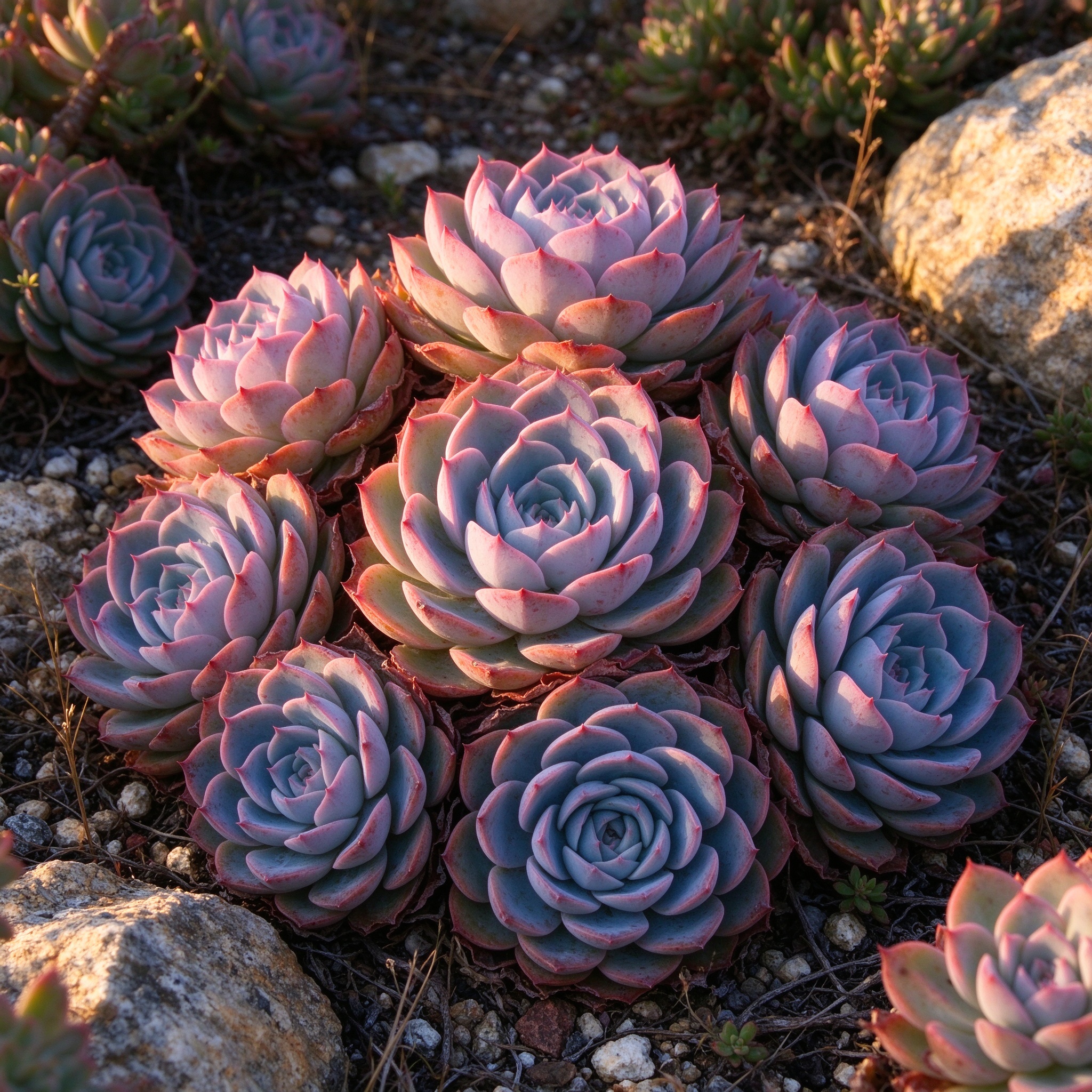
Echeveria is a large genus of rosette-forming succulents in the Crassulaceae family, native to an area stretching from southwest Texas to northwest Argentina and grown around the world as a houseplant, rock-garden, and container plant.
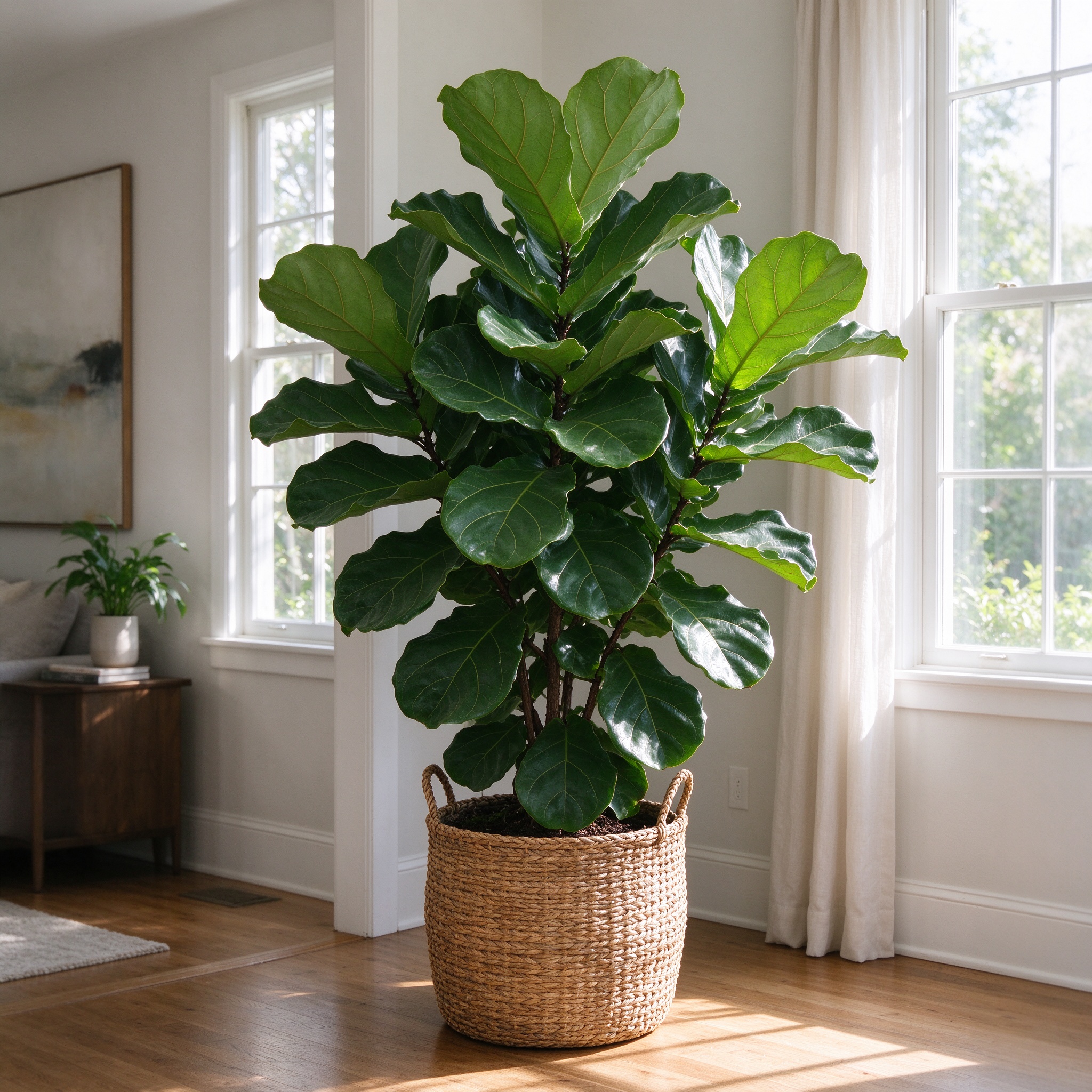
The fiddle-leaf fig (Ficus lyrata) is a small tropical tree and broadleaf evergreen in the mulberry family (Moraceae), native to western and central Africa, and grown across the United States as a dramatic houseplant.
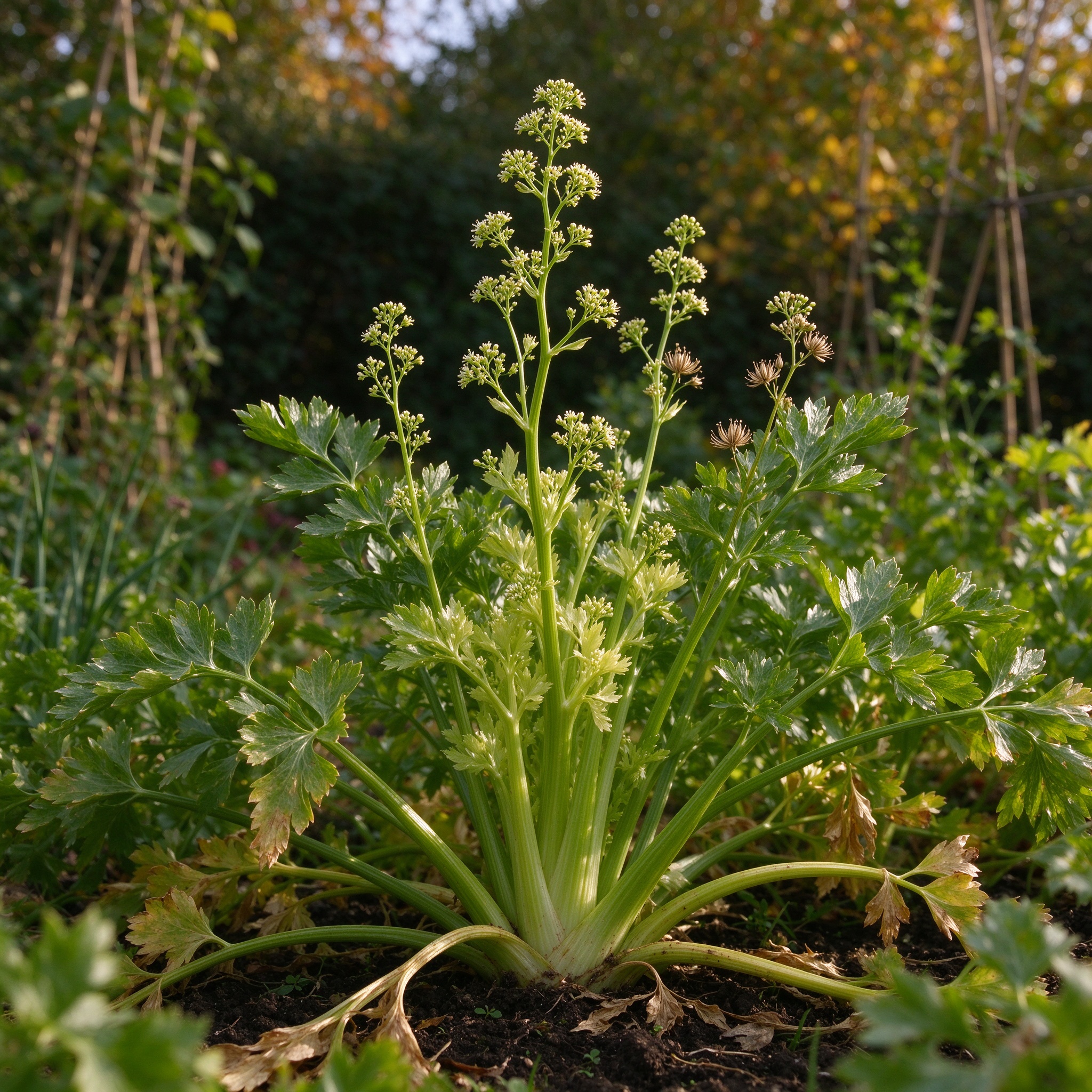
Celery (Apium graveolens) is a cool-season biennial in the carrot family (Apiaceae), grown as an annual for its crisp, juicy stalks and aromatic leaves.
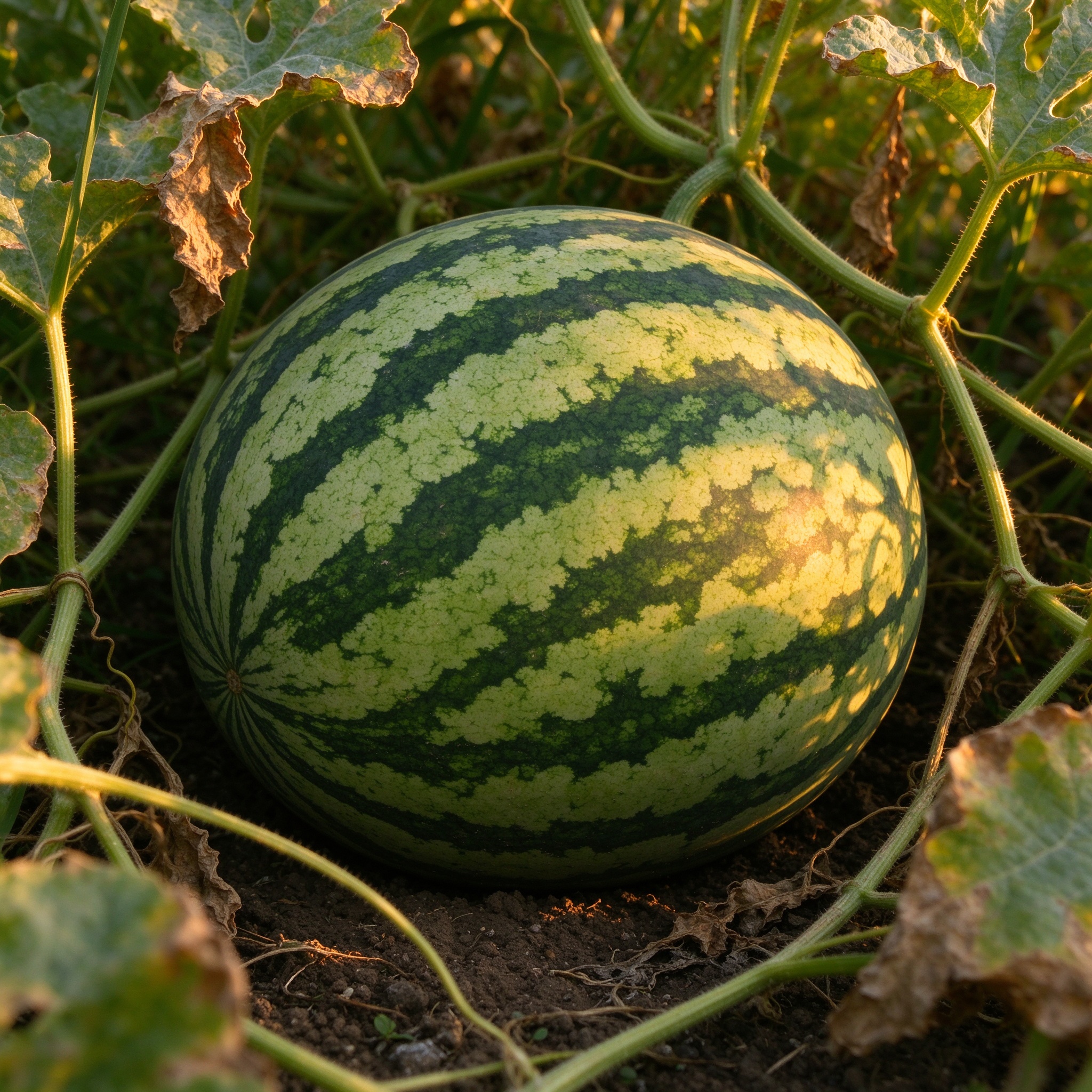
Watermelon (Citrullus lanatus) is a warm-season, frost-tender annual vine in the gourd family (Cucurbitaceae), grown for its large, juicy, watery fruits borne on spreading, tendril-climbing vines.
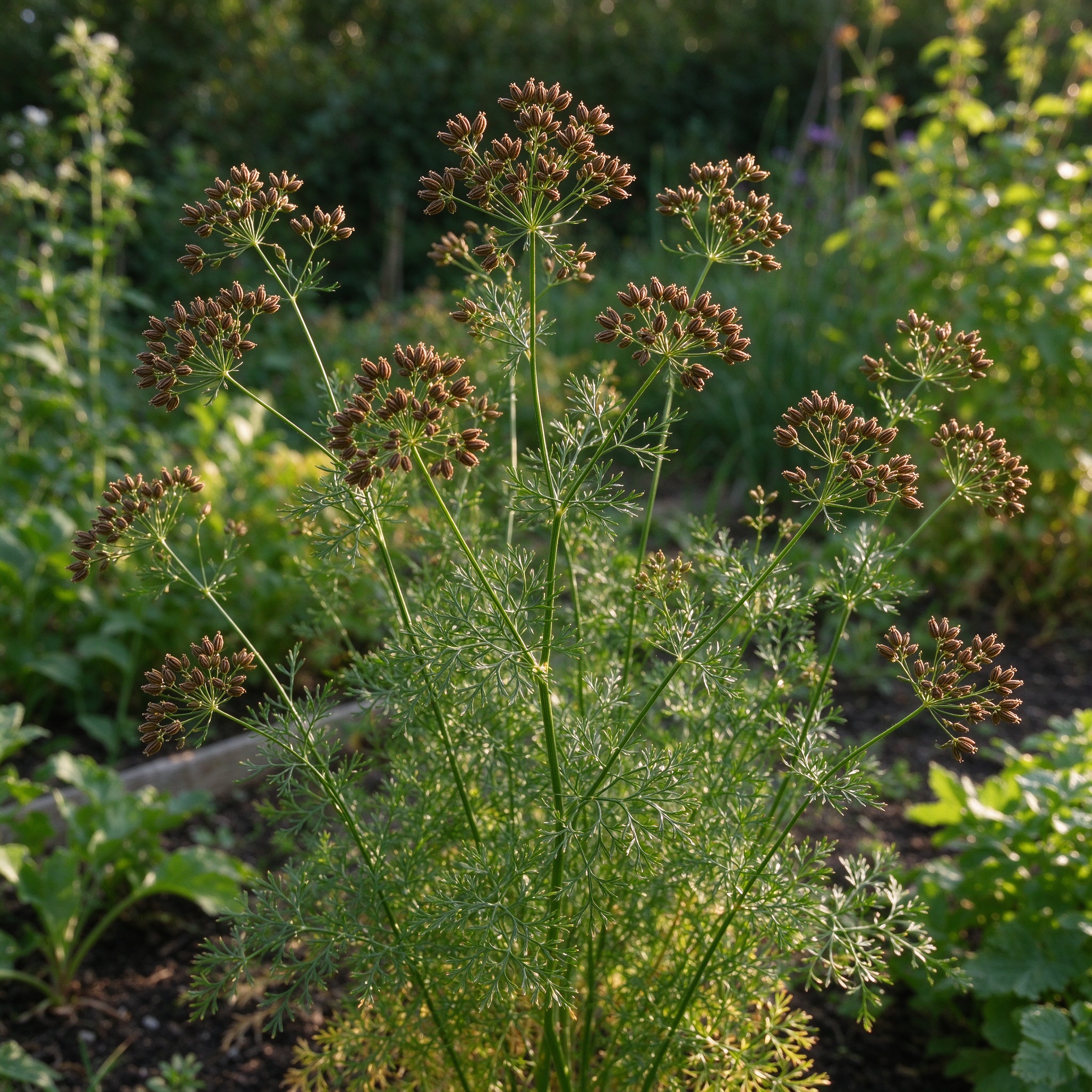
Caraway (Carum carvi) is an aromatic, tap-rooted biennial in the carrot family (Apiaceae), grown for its crescent-shaped, ridged seeds that carry a warm, anise-like, peppery flavor.
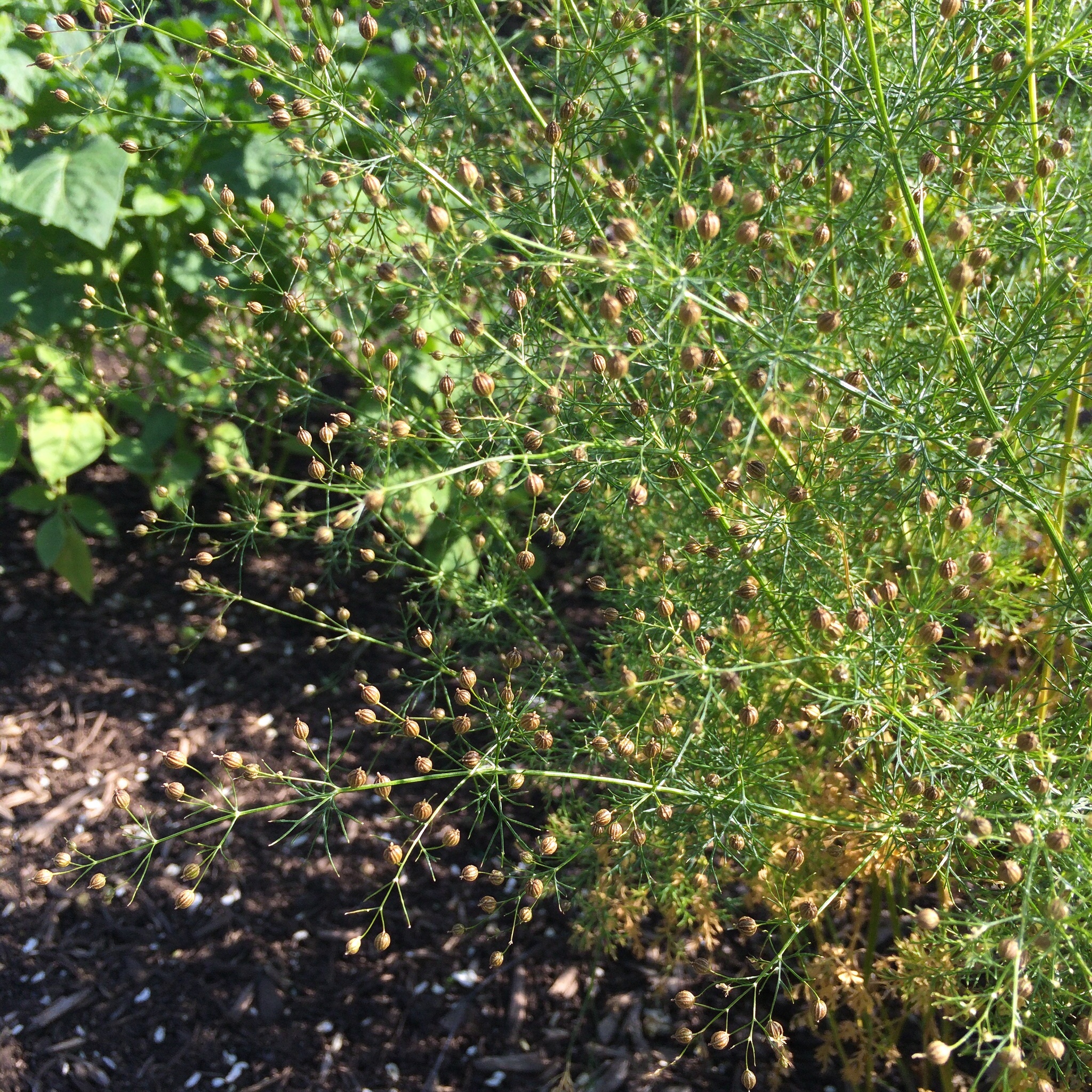
Coriander (Coriandrum sativum) is a fast-growing, cool-season annual in the carrot family (Apiaceae) whose two harvestable parts carry different names and flavors: the broad, lobed lower leaves are sold as cilantro, while the round, mature, tan-brown fruits are the spice called coriander seed.
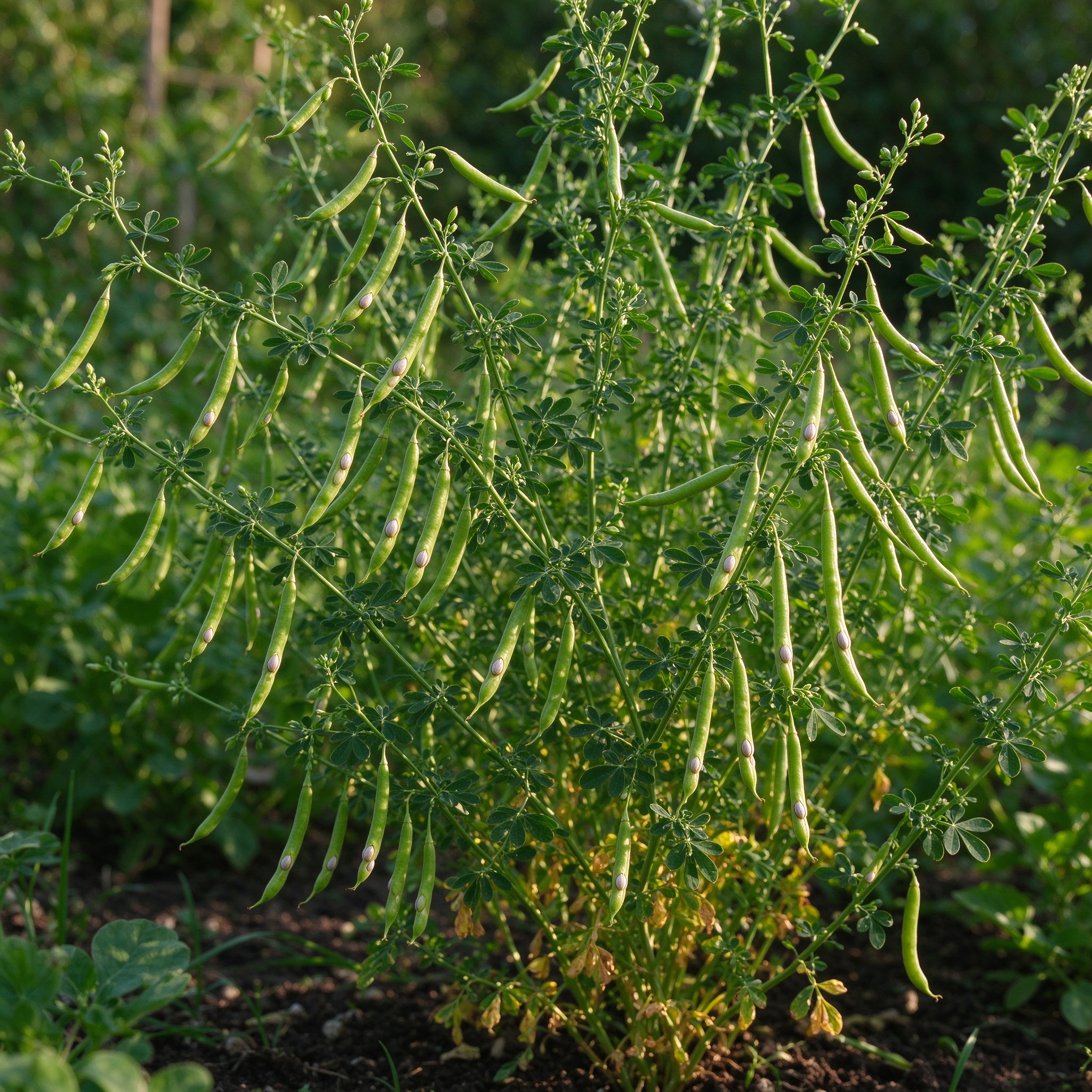
Fenugreek (Trigonella foenum-graecum) is an erect, freely branching annual in the pea family (Fabaceae), grown for both its tender young leaves and its hard, yellow-brown, rhomboid seeds, which carry a distinctive bitter-sweet, maple-like aroma.
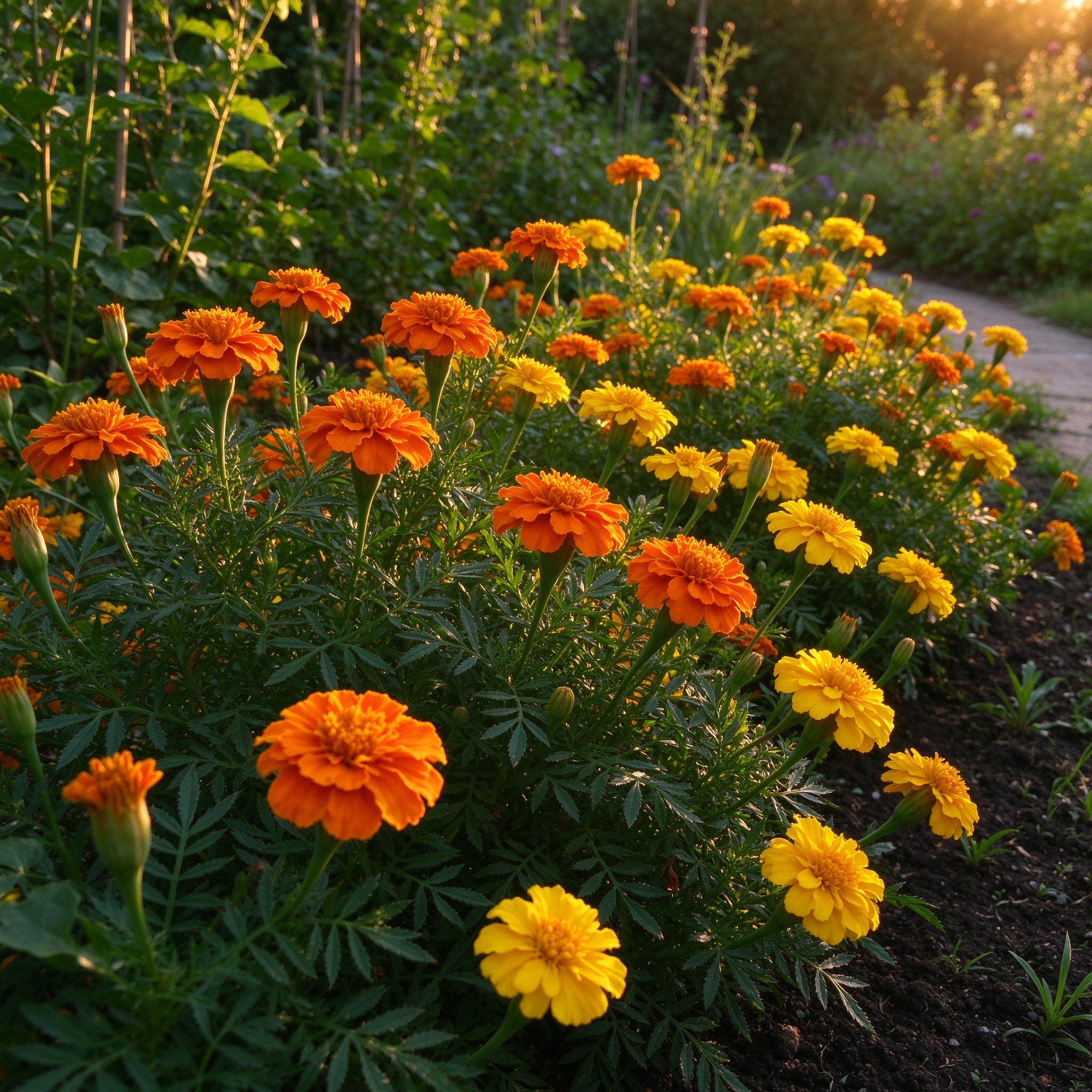
Marigolds are fast-growing, free-flowering warm-season annuals in the aster family, native to Mexico and Central and South America and grown around the world as bedding, edging, container, and cutting flowers.

Black-eyed Susan is a fast-growing, upright, branching native wildflower in the aster family, native to the eastern United States and naturalized across much of North America.
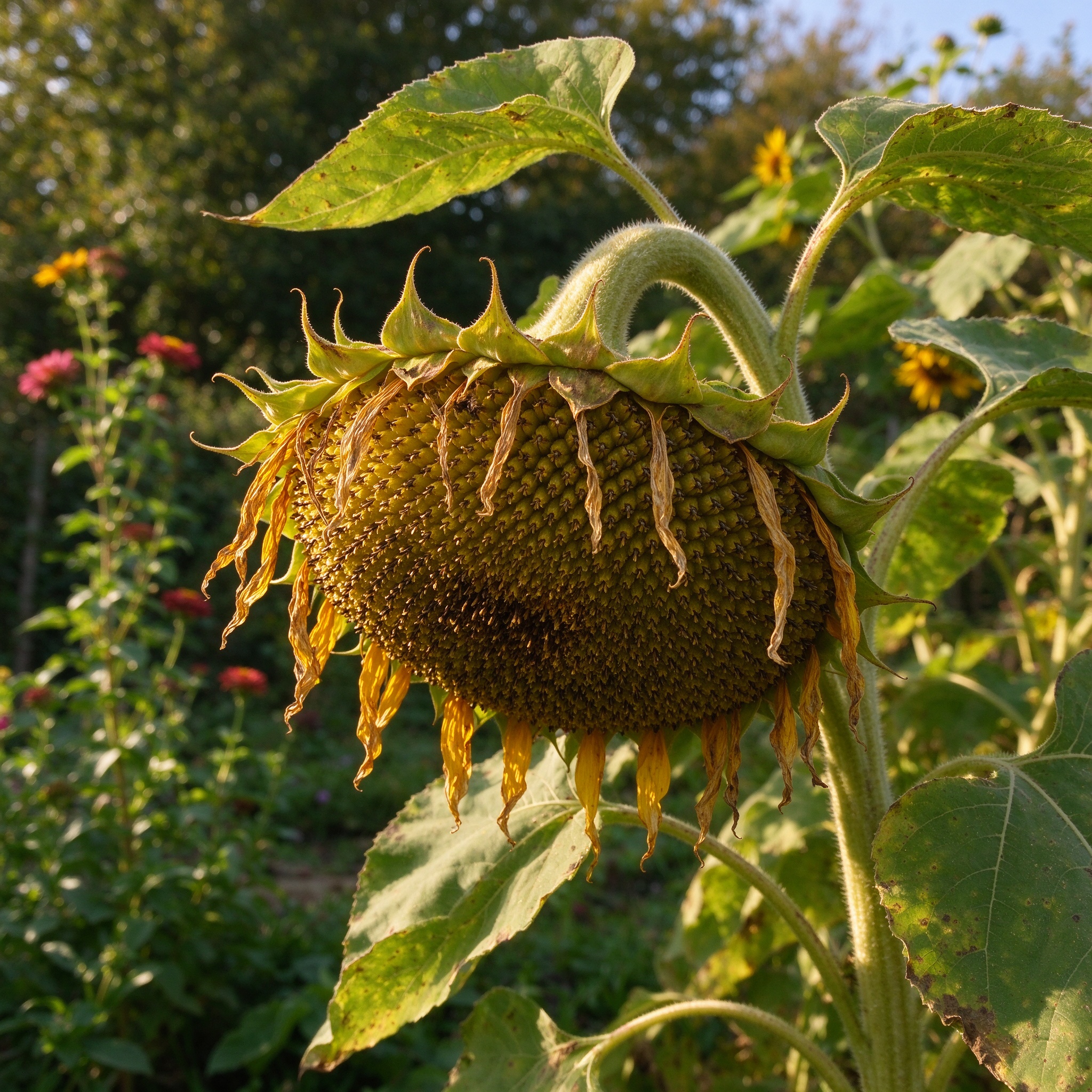
The common sunflower is a warm-season, fast-growing annual in the aster family, native to the southwestern United States and Mexico and grown around the world for its large daisy-like flower heads, edible seeds, oil, and ornamental value.
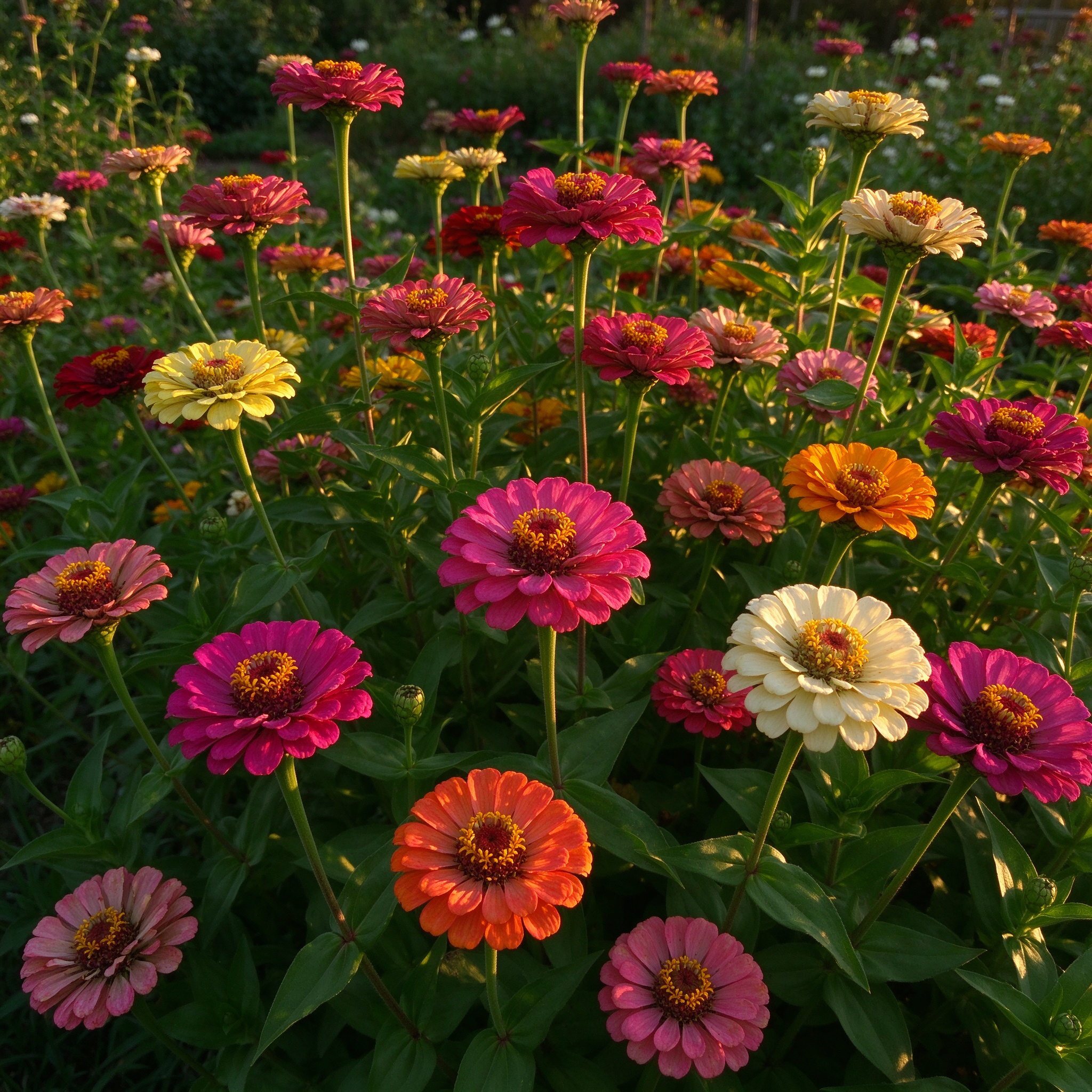
Zinnia is a warm-season, upright, branching annual in the aster family, native to Mexico and grown worldwide for its long, brilliant summer display of daisy-like, pompon, and cactus-flowered heads in nearly every color except true blue.
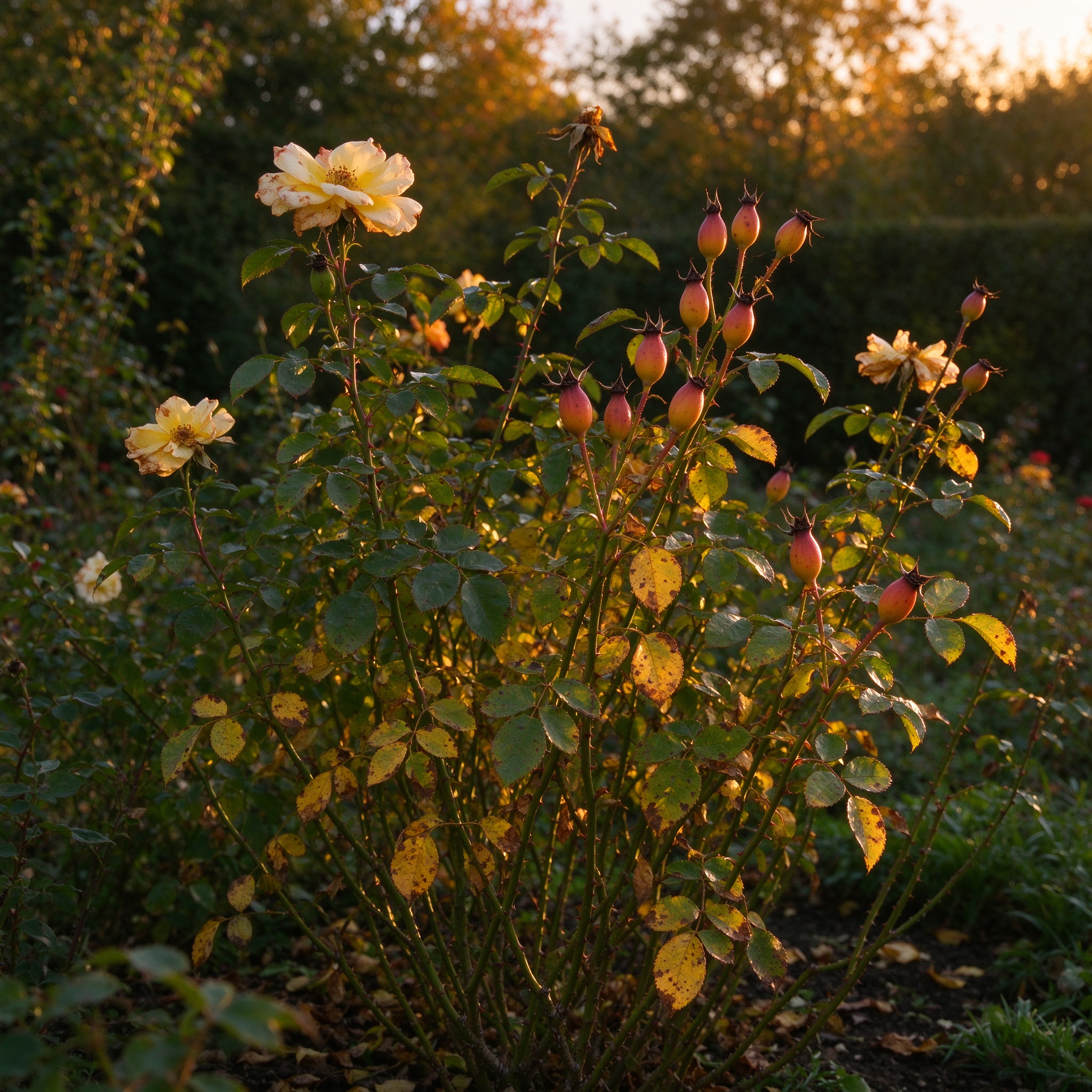
The rose is the most celebrated flowering woody plant in the Rosaceae family, grown worldwide as a shrub, border plant, ground cover, climber, standard tree, and potted patio accent.

Kentucky bluegrass is a rhizomatous, sod-forming cool-season grass in the true grass family, grown across the northern United States and southern Canada for one of the finest-looking home lawns available.

Tall fescue is a bunch-type cool-season grass in the true grass family, the workhorse of the transition zone where neither northern bluegrass nor southern warm-season grasses perform reliably.

St.

Bermuda grass is a warm-season perennial sod grass in the true grass family, the most widely used high-traffic lawn and sports turf across the southern United States from California to Florida.

The bird of paradise (Strelitzia reginae), also called crane flower, is a clumping, broadleaf evergreen perennial in the Strelitziaceae family, native to the Cape Provinces and KwaZulu-Natal in South Africa.
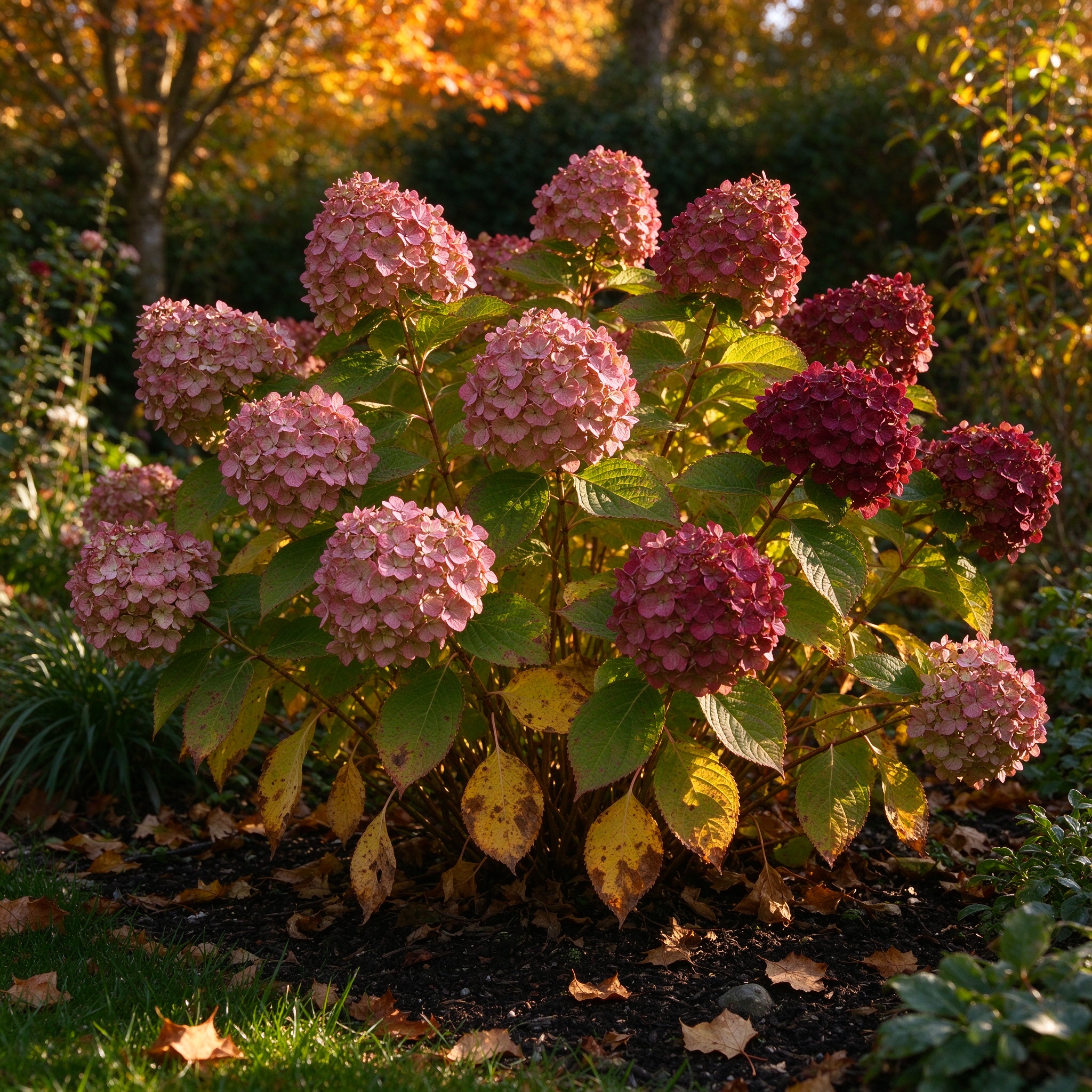
Hydrangea is a genus of deciduous shrubs and climbing vines in the family Hydrangeaceae, native to North and South America, eastern Asia, and Malesia.
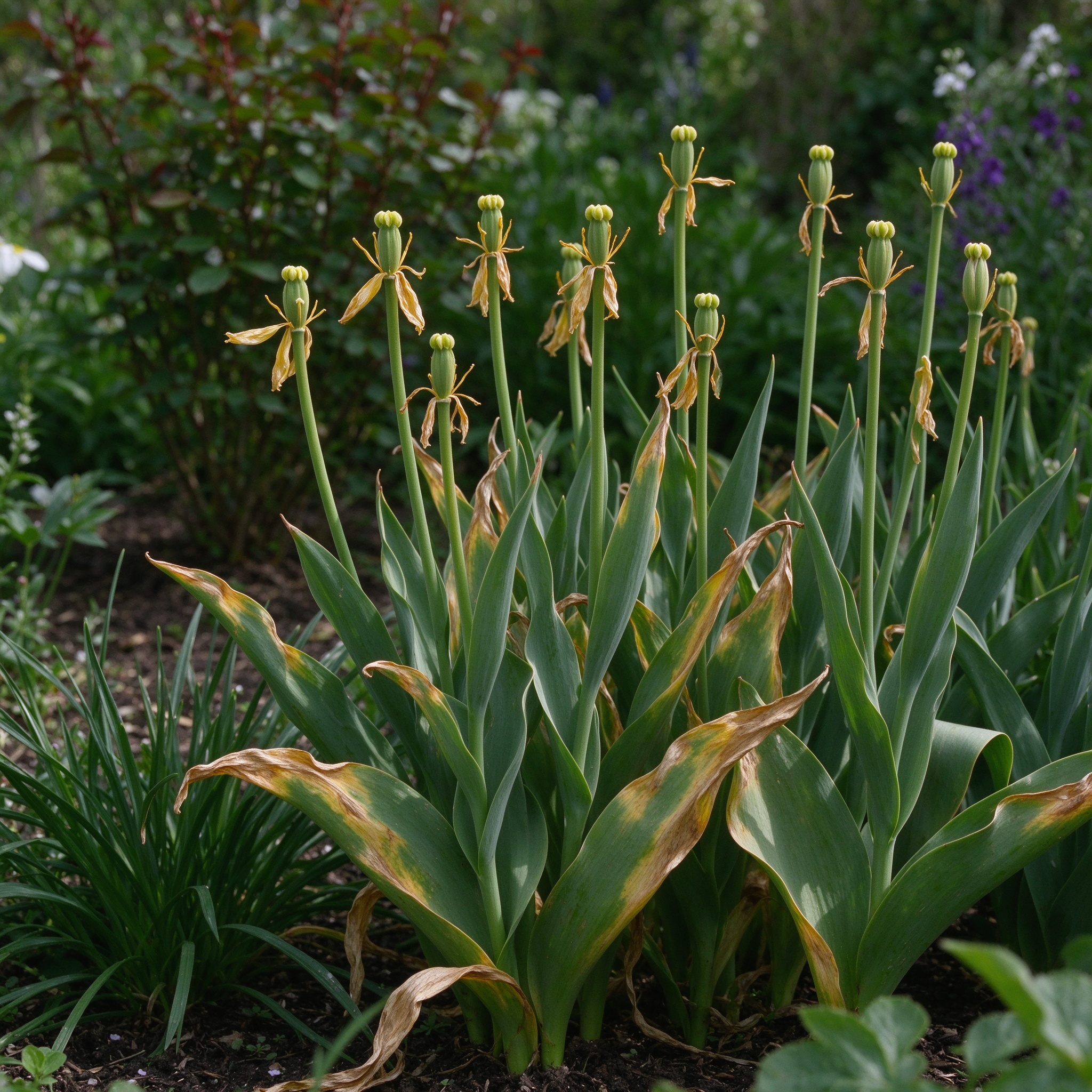
This complete guide explains how to plant tulip bulbs, from choosing healthy bulbs and autumn planting depth to spacing, chilling, and post-bloom bulb care.
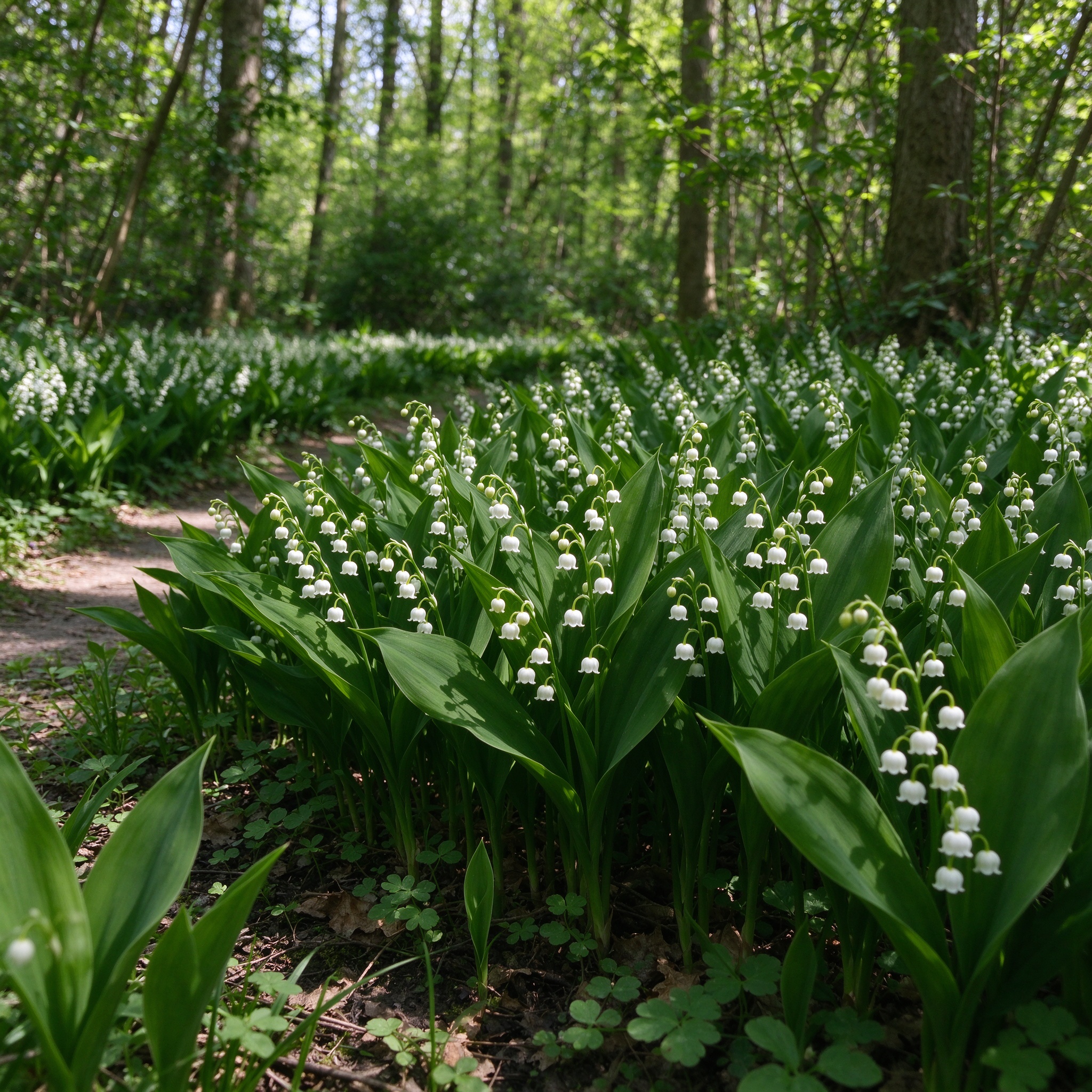
Lily of the valley is a low, rhizomatous perennial groundcover in the asparagus family (Asparagaceae), native to Eurasia and valued for its arching sprays of tiny, nodding, sweetly fragrant white bells in late spring.
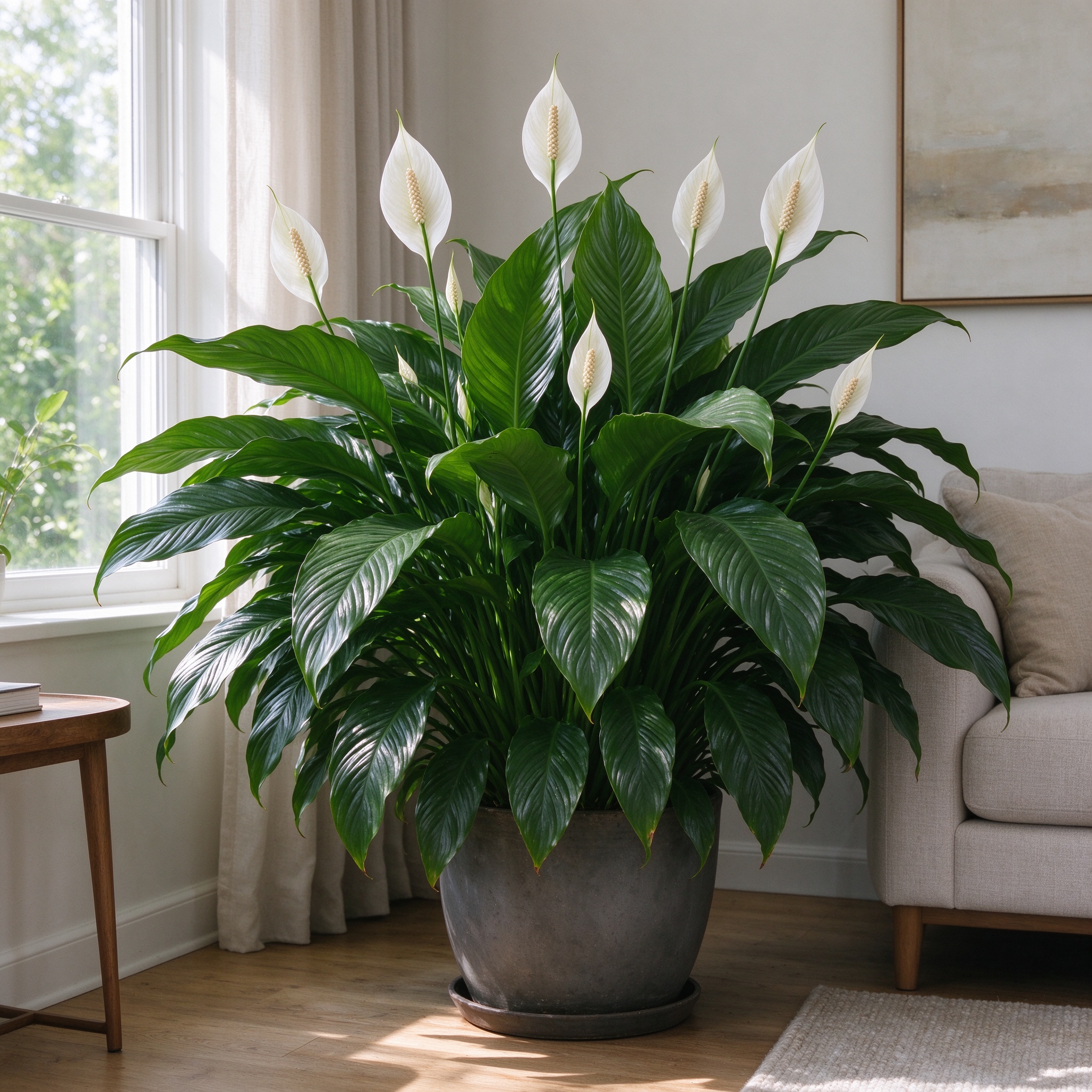
The peace lily (genus Spathiphyllum), also sold as spathiphyllum, white sails, or spathe flower, is a semi-evergreen rhizomatous perennial in the Araceae (aroid) family.

Dracaena is a large group of slow-growing, woody-stemmed foliage plants in the Asparagaceae (asparagus family), sold under a cluster of common names that shoppers search interchangeably: dracaena plant, dracaena marginata, dragon tree, corn plant, ribbon plant, and the common misspellings drac marginata, dracena, and plants dracena.

The rubber plant, also called rubber tree, rubber fig, or Indian rubber plant, is a broadleaf evergreen tree in the Moraceae (fig family), botanically Ficus elastica.

The money tree plant (Pachira aquatica) is a tropical broadleaf evergreen tree in the mallow family (Malvaceae), native to freshwater swamps, estuaries, and riverbanks from southern Mexico through Bolivia and northern Brazil, according to the NC State Extension Gardener Plant Toolbox.
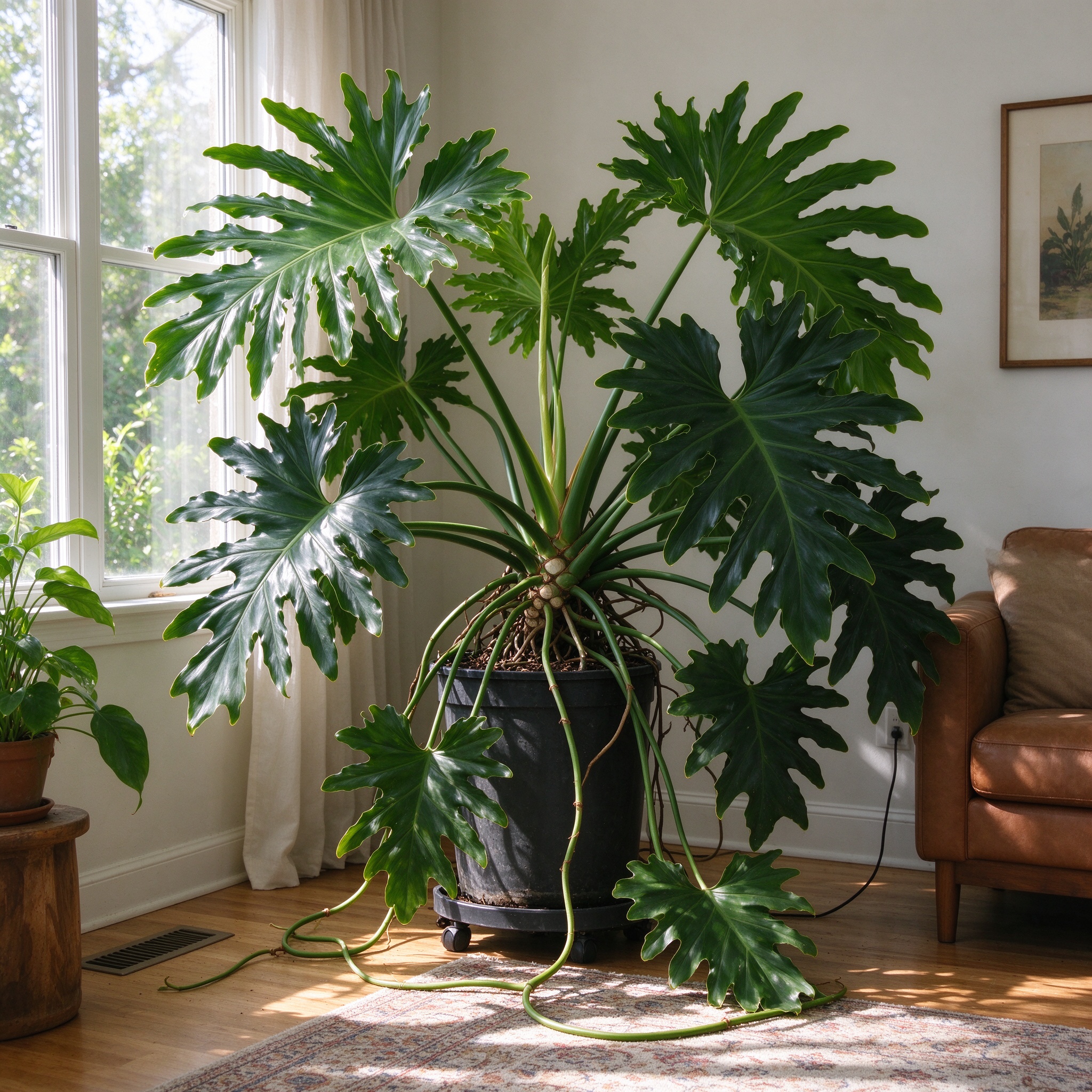
The philodendron plant is a large group of tropical evergreen vines and bushy shrubs in the arum family (Araceae), native from Mexico through the Caribbean and Central and South America, according to the Missouri Botanical Garden Plant Finder and NC State Extension.

Eucalyptus is a genus of evergreen trees and shrubs in the myrtle family, mainly native to Australia, with hundreds of species ranging from low ornamental shrubs to giants well over 20 m (65 ft).
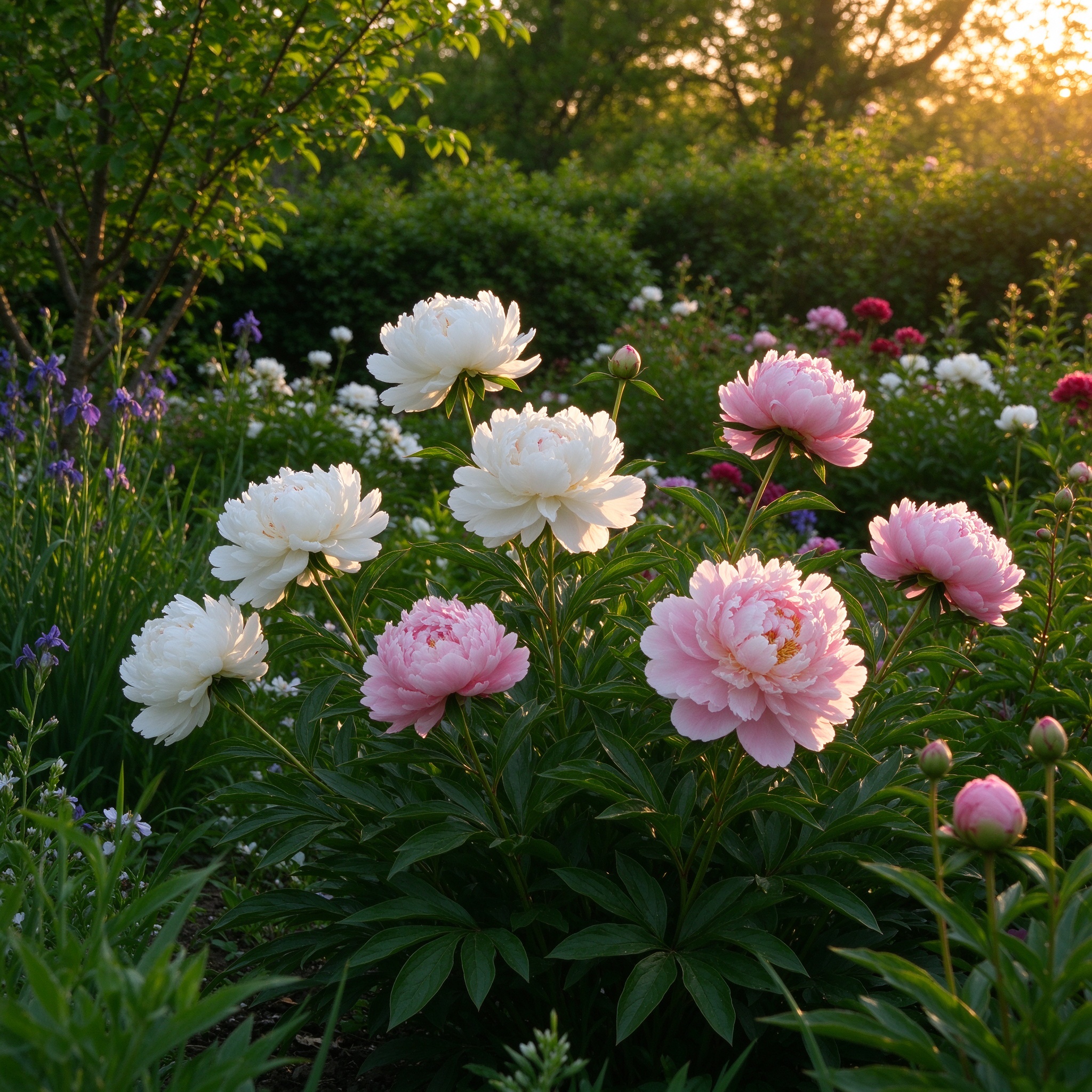
Peonies are long-lived, hardy herbaceous perennials famous for huge, fragrant, ruffled blooms in late spring and early summer.
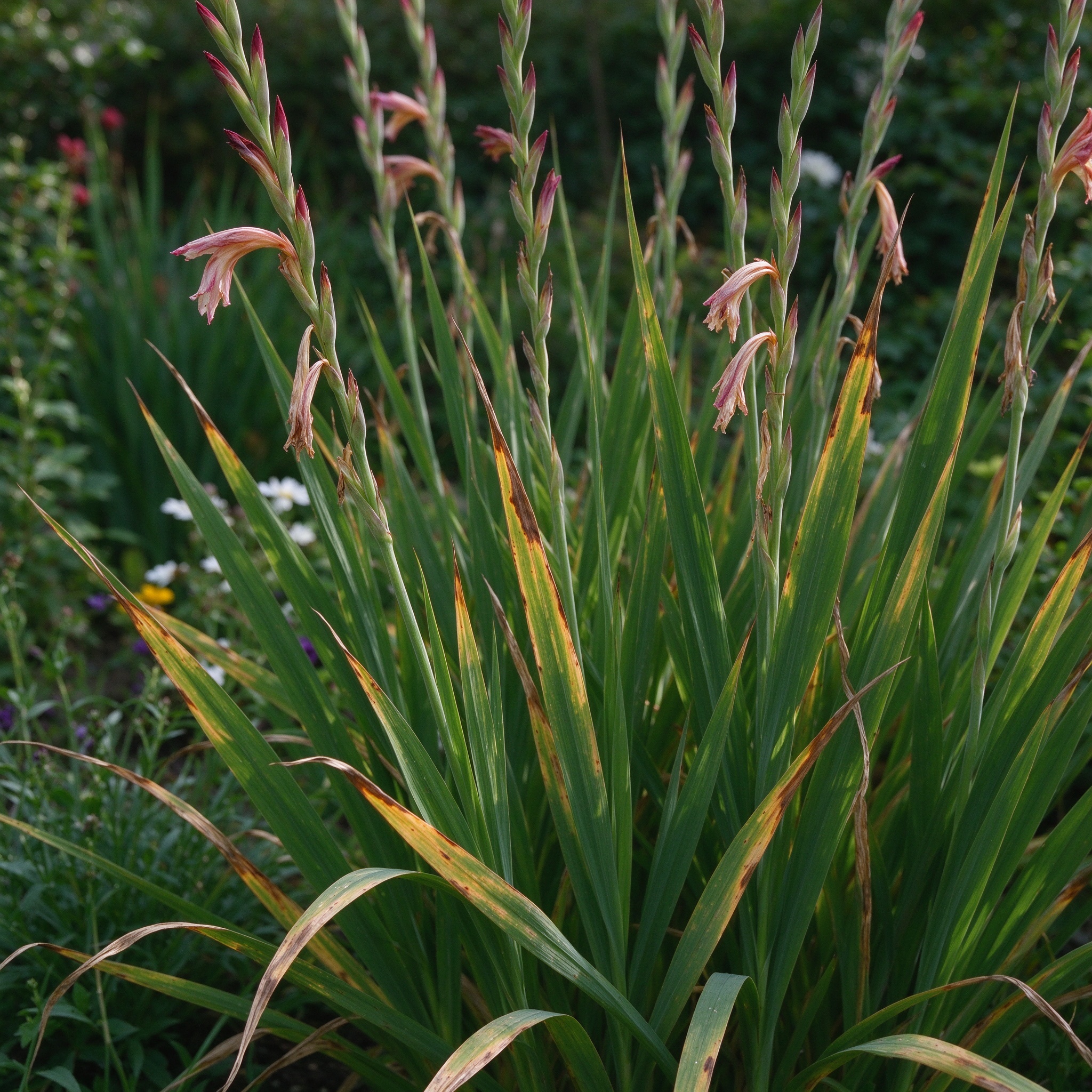
Gladiolus, commonly called gladiola or glads, are striking summer-flowering corms grown for their tall, dramatic spikes of funnel-shaped flowers in a rainbow of colors.
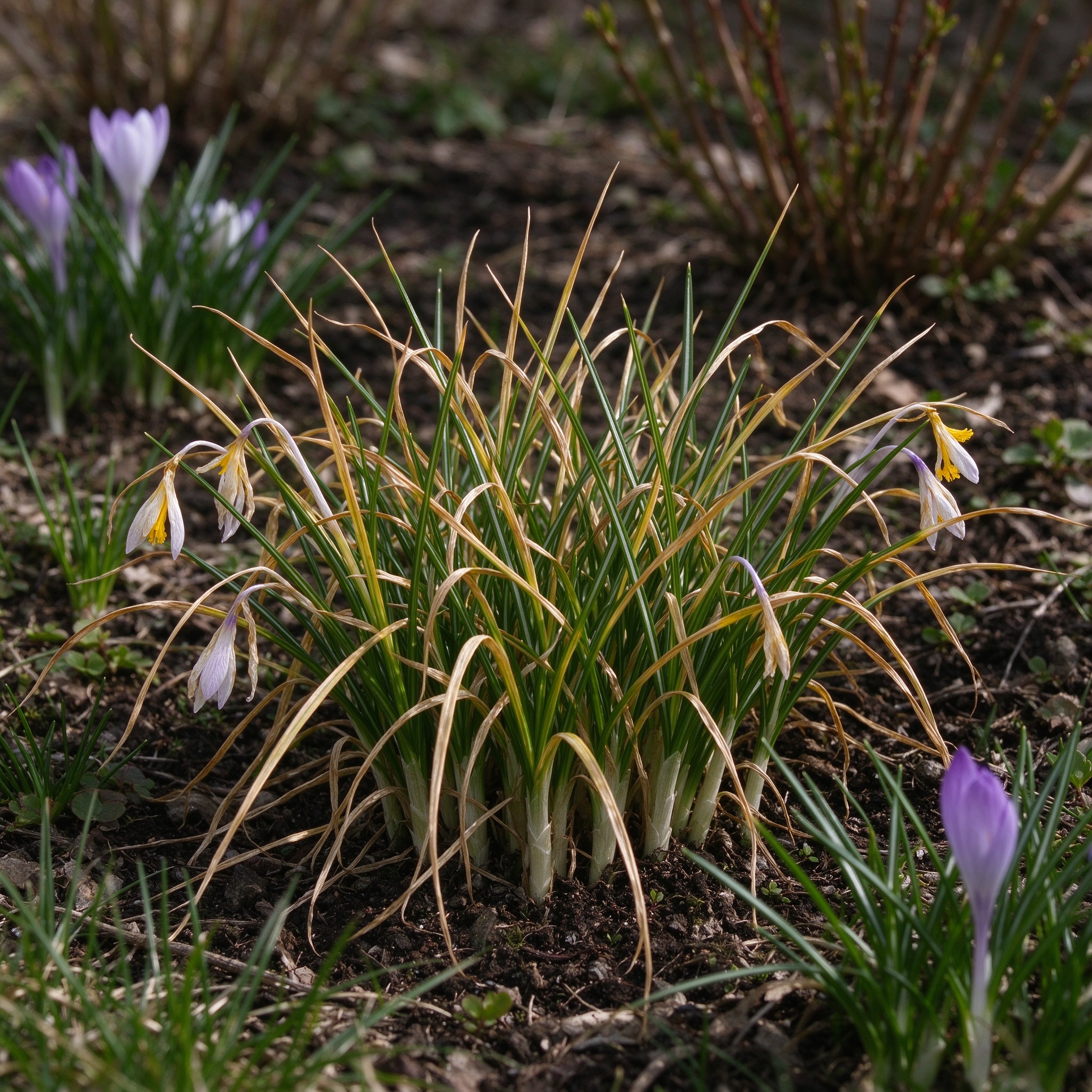
Crocus are among the very first flowers to bloom in late winter and early spring, small, cup-shaped perennials grown from corms that bring a burst of color to lawns, borders, rock gardens, and under deciduous trees.
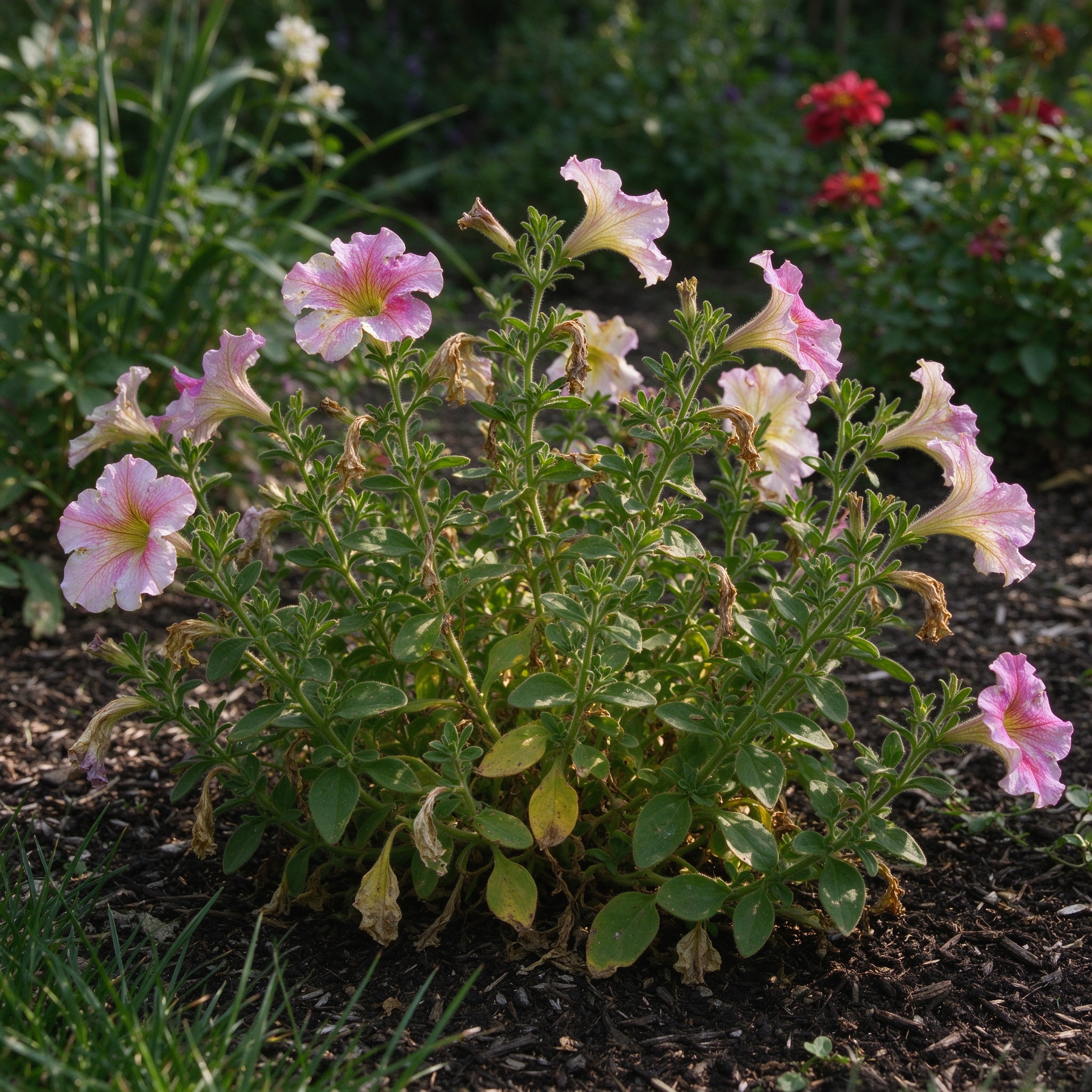
Petunias are among the most popular annual flowers in the world, beloved for their nonstop, trumpet-shaped blooms in a dazzling array of colors — purple, pink, red, white, yellow, and multicolored.
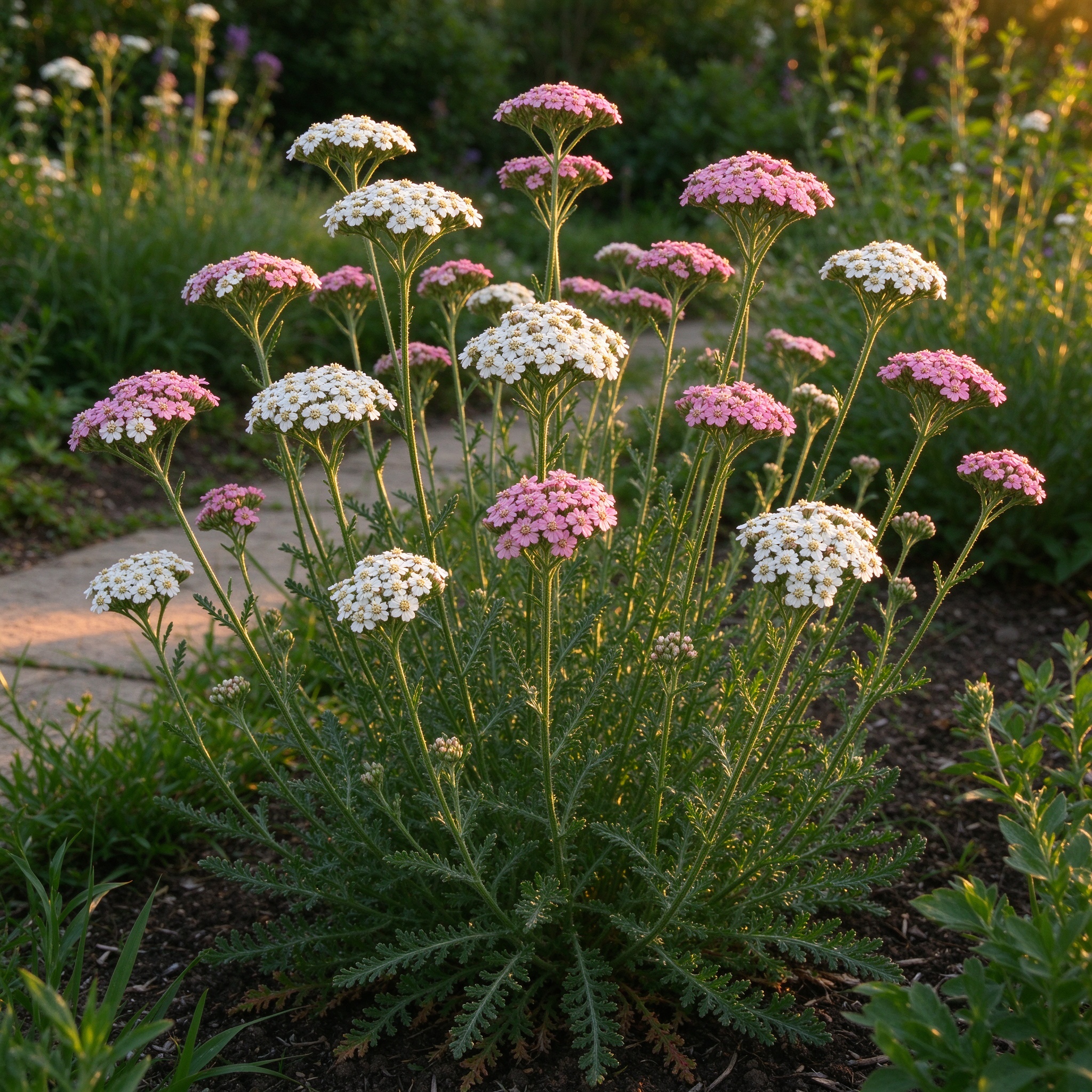
Yarrow is a tough, long-lived, drought-tolerant perennial that brings a wildflower charm to sunny borders, meadows, and pollinator gardens.
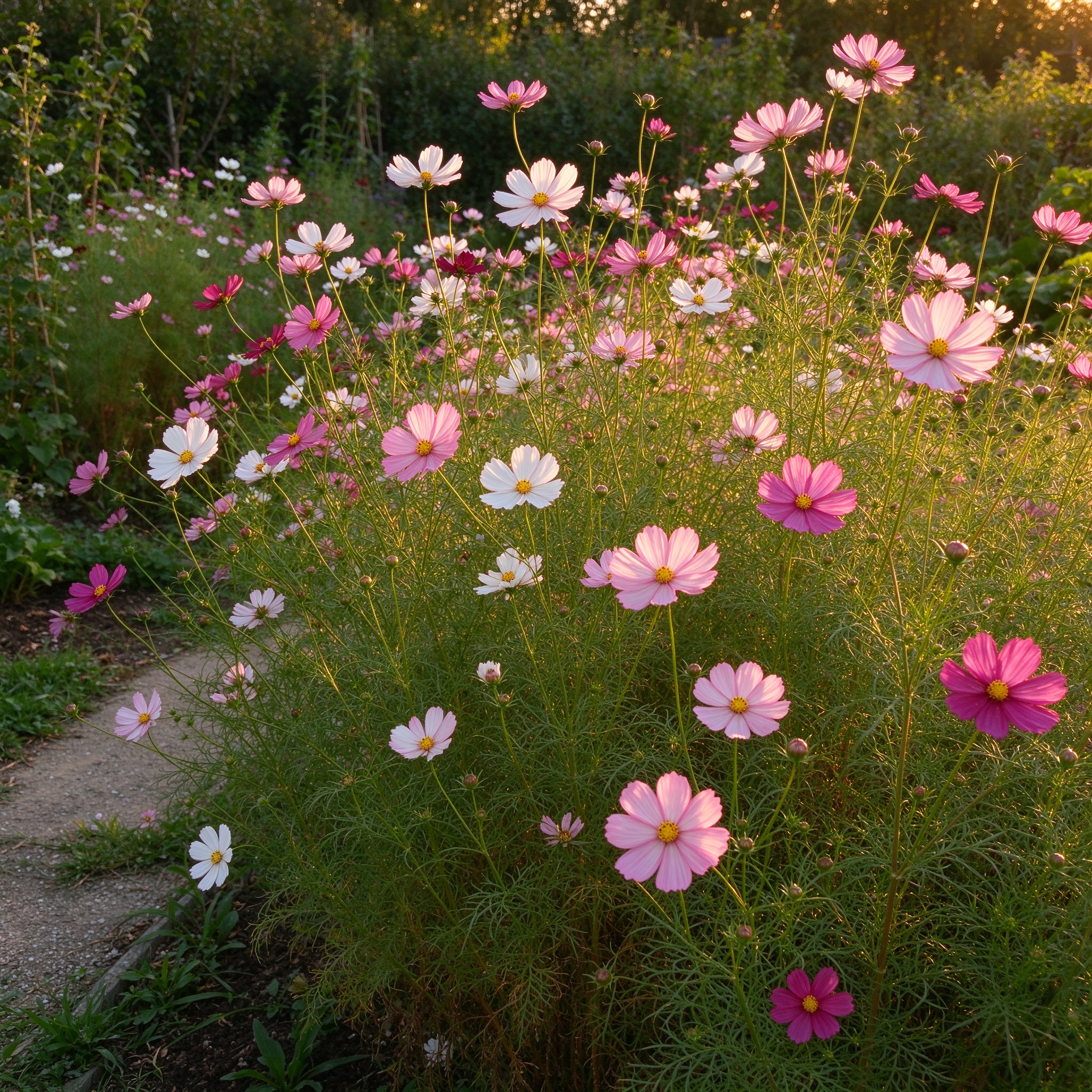
Cosmos is one of the easiest, fastest, and most rewarding annuals for sunny gardens, grown for its airy, daisy-like flowers that dance atop tall, feathery stems.

Japanese maple is a slow-growing deciduous small tree or large shrub native to Japan, Korea, and China.
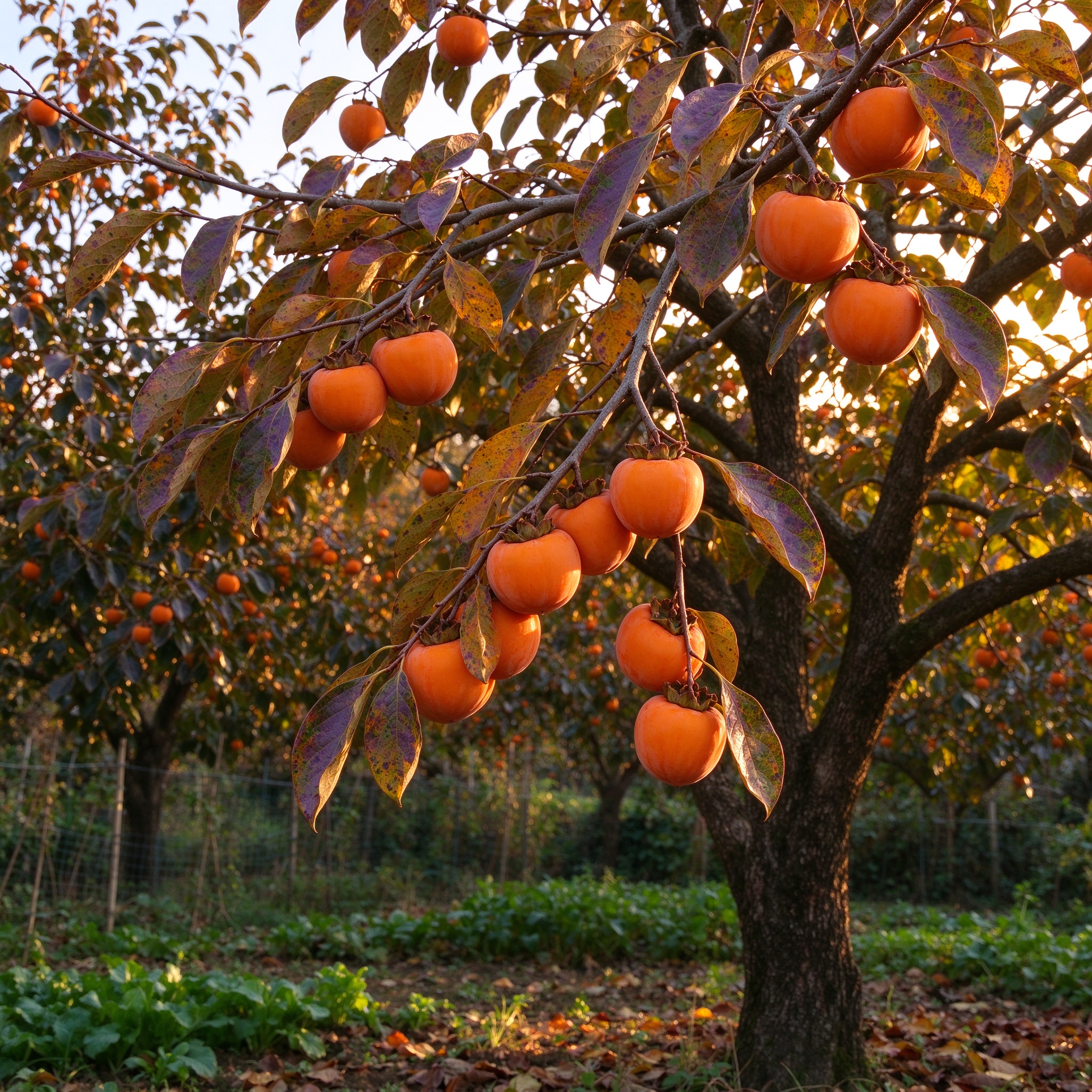
The common persimmon is a deciduous tree native to the eastern and southern United States, reaching 30–60 feet tall.
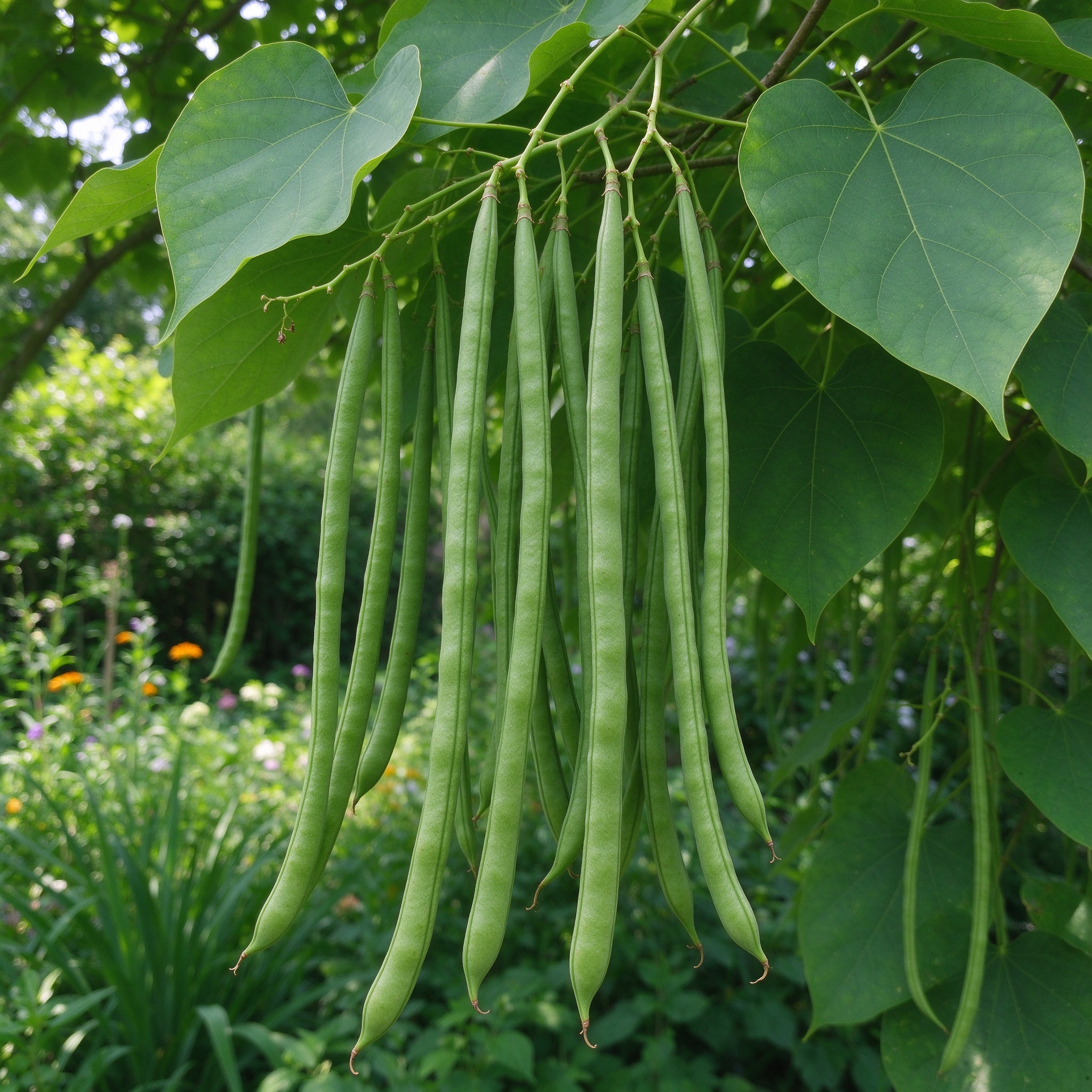
Southern catalpa is a deciduous shade tree native to the southeastern United States, growing 40–60 feet tall with an irregular, broad crown.
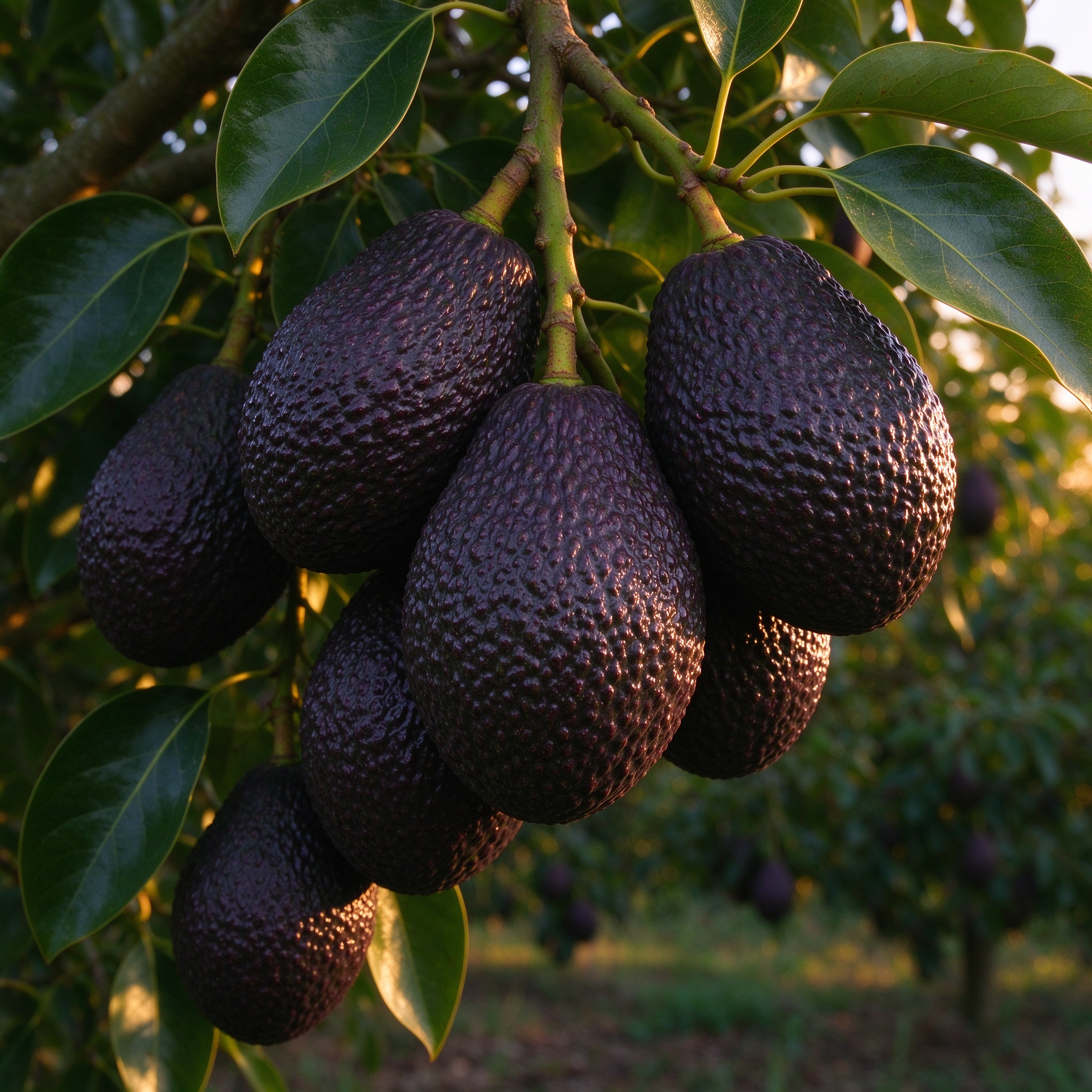
Avocado is an evergreen subtropical tree growing 30–65 feet tall in the ground, or 5–10 feet in containers.

American beech is a slow-growing, long-lived native tree reaching 60–80 feet tall with a broad, dense crown.

American elm is a large, fast-growing deciduous tree reaching 60–80 feet tall with a distinctive vase-shaped, arching crown that once lined every main street in America.