
How to Grow American Elm: Complete Guide
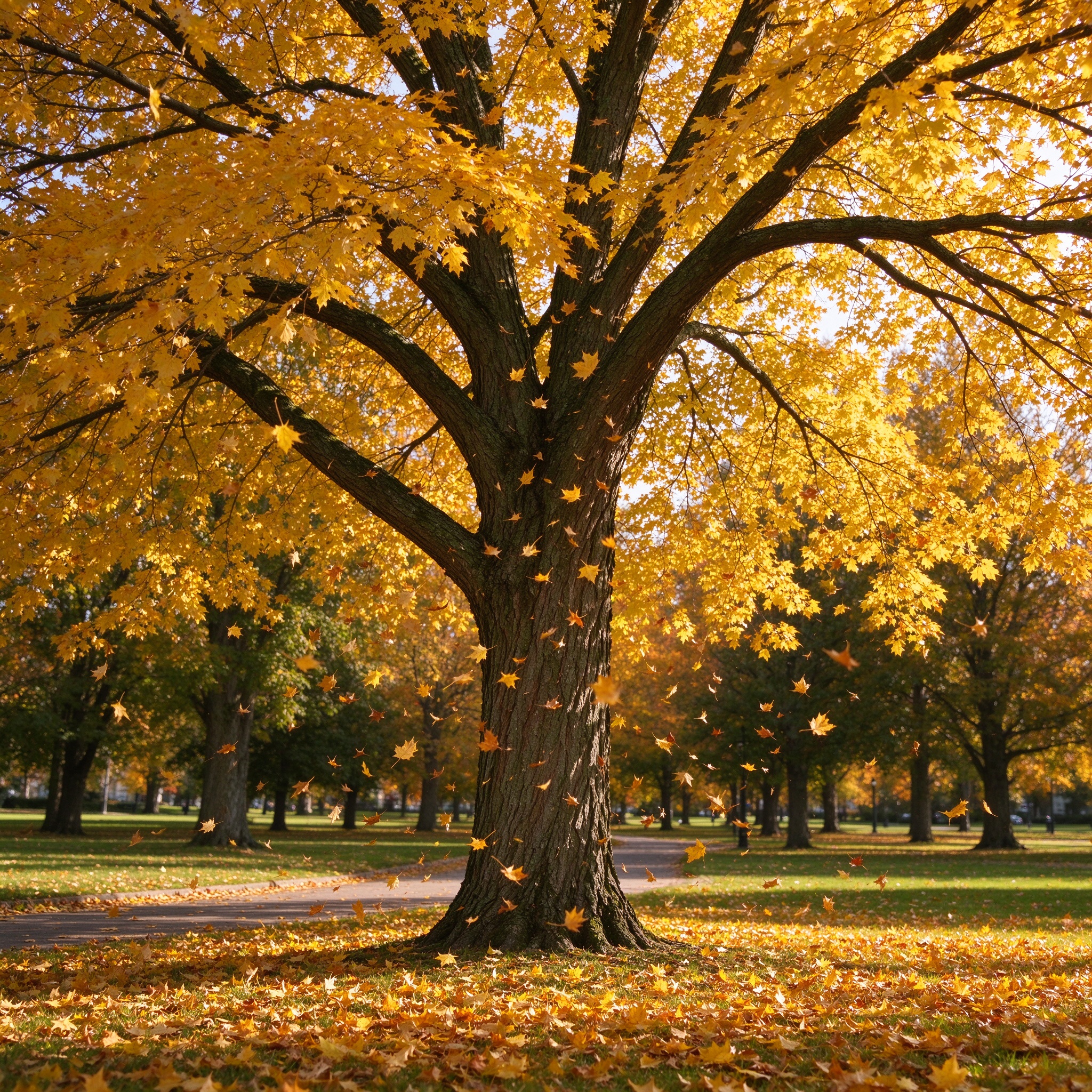
- •American elm is a large, fast-growing deciduous tree reaching 60–80 feet tall with a distinctive vase-shaped, arching crown that once lined every main street in America.
- •It produces small, winged seeds (samaras) in early spring before the leaves fully expand, and its glossy dark-green leaves turn yellow in fall.
- •Dutch elm disease (DED) devastated mature elms across North America in the 20th century, but new resistant cultivars such as 'Princeton', 'Valley Forge', and 'Jefferson', have restored the elm as a viable landscape tree.
- •Elm is highly adaptable, tolerant of urban conditions, and fast-growing.
📋 Quick Facts
Scientific Name: Ulmus americana
Family: Ulmaceae
Category: tree
USDA Zones: Zones 2–9
Light: Full sun. Needs at least 6 hours of direct sun for best structure and resistance to disease.
Water: Moderate. Water deeply once a week during the first two years. Established trees are moderately drought-tough and tolerate occasional wet soil.
Temperature: Hardy to -45°C (zone 2). The cold-hardy native elm.
Soil: Very adaptable — tolerates clay, sand, poor, and compacted urban soils. Prefers average moist loam but grows where few other large trees will.
Harvest:
Common Problems: Dutch elm disease (fungal, spread by bark beetles) — use resistant cultivars; elm leaf beetle; phloem necrosis; wetwood.
📅 When to Plant
Bare-root or balled-and-burlapped in late winter/early spring. Container-grown trees any time.
🌱 Growing Stages
 1
Dormant
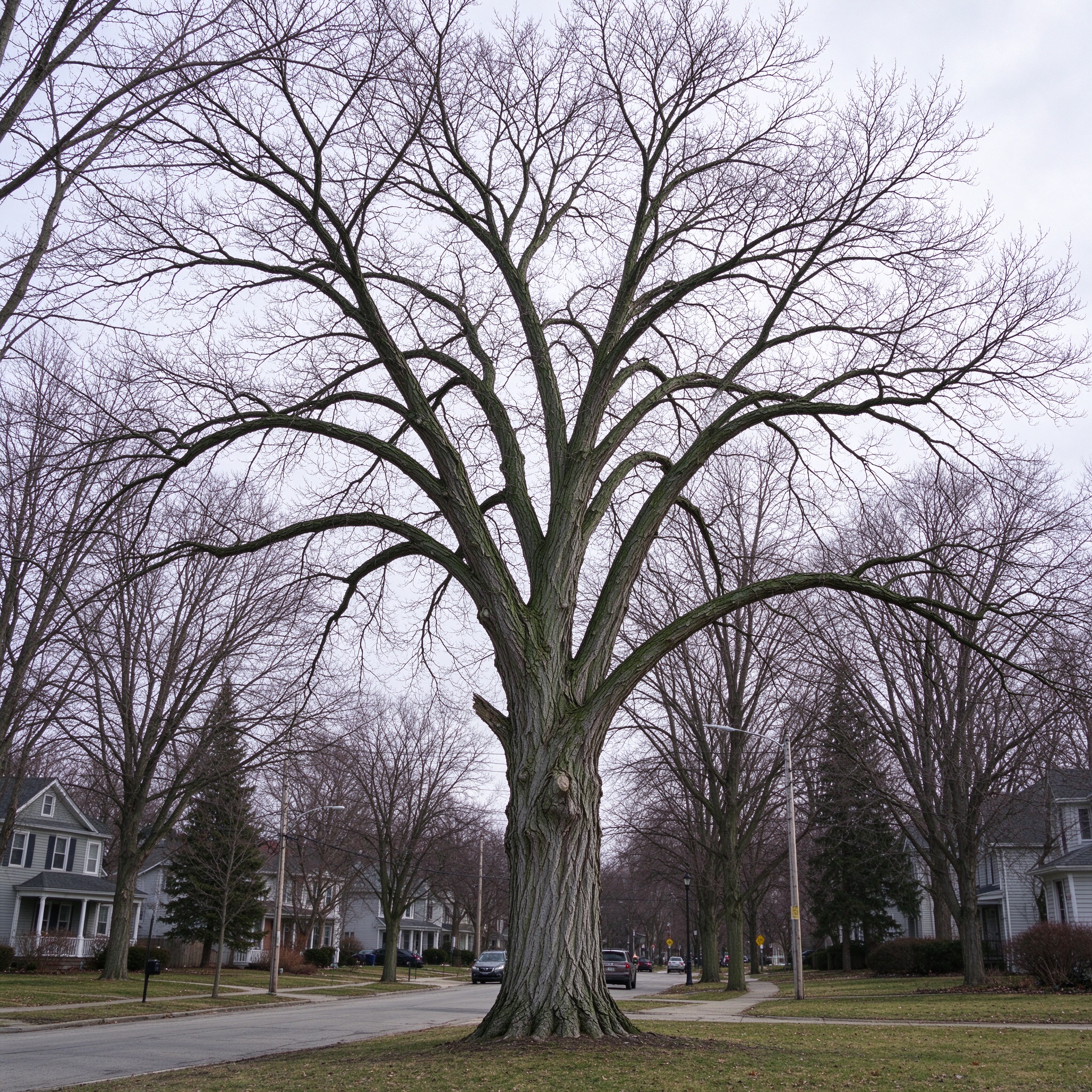
(Winter)Distinctive vase-shaped branching structure is visible. The bark is ash-gray with deep intersecting ridges.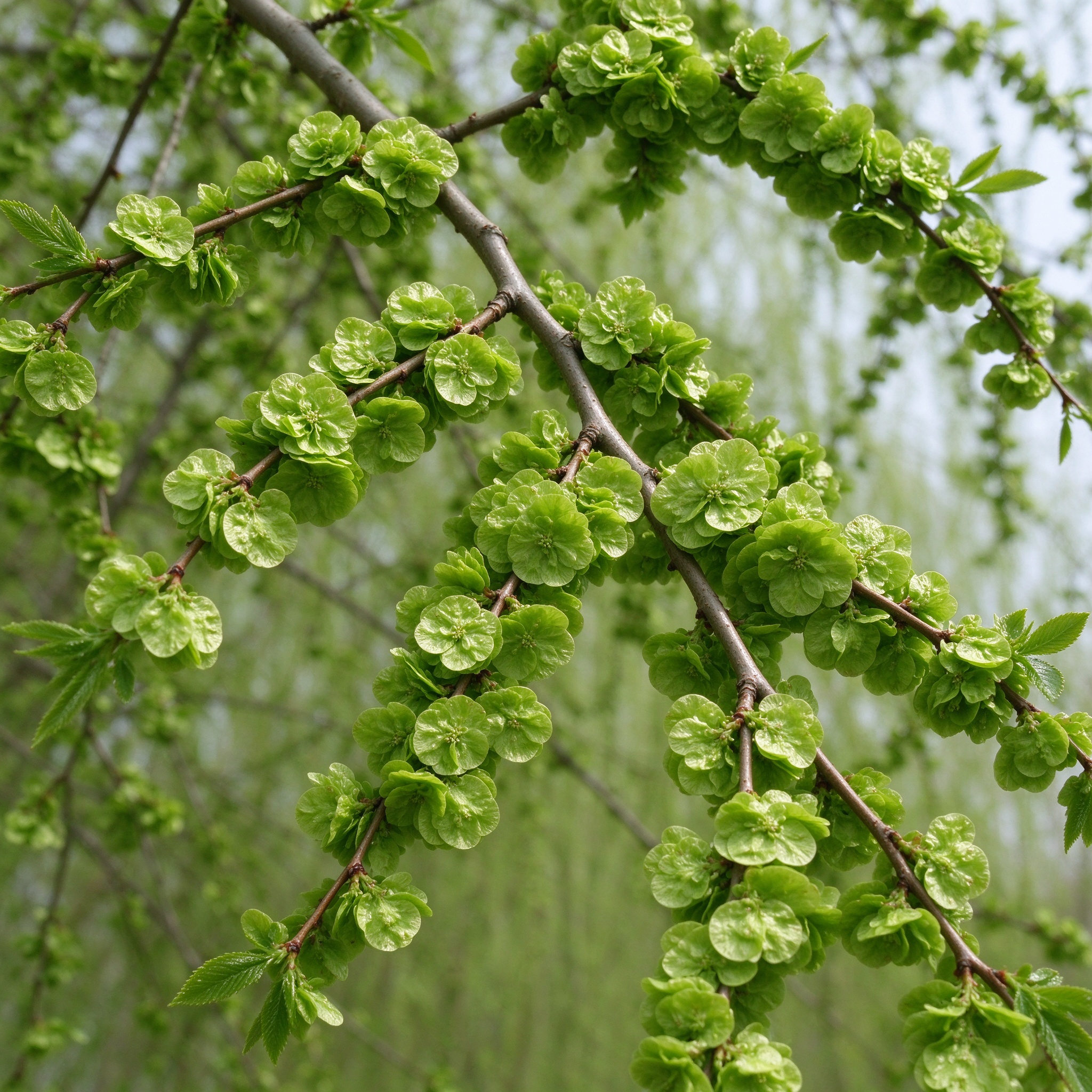 2
Spring Samaras
(March–April)Before leaves unfold, the tree is covered in small flat green-winged seeds that look like a pale green haze. They drop within a few weeks.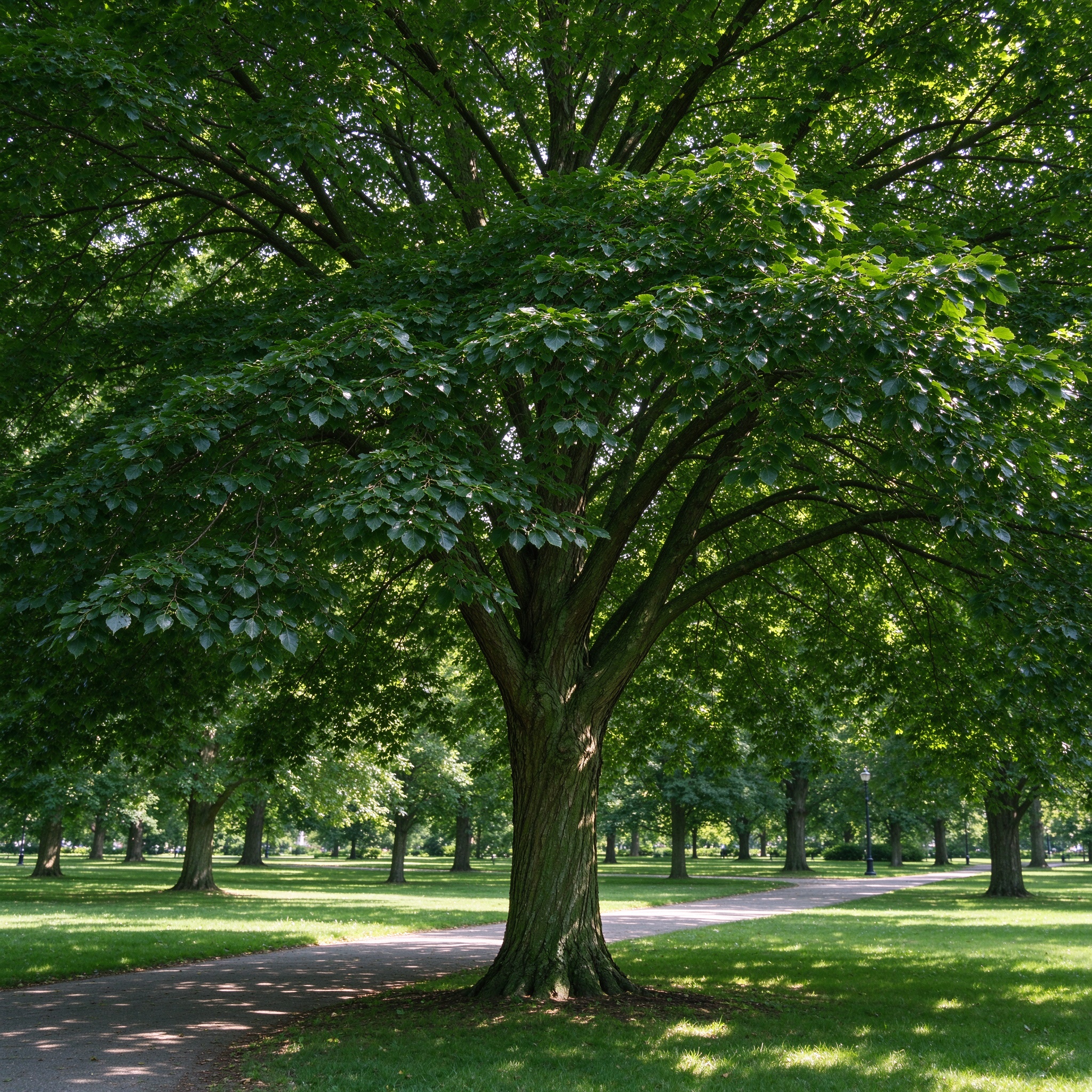 3
Summer Foliage
(May–August)Glossy dark green leaves with asymmetrical bases. The arching crown casts dappled shade — the classic American street-tree canopy.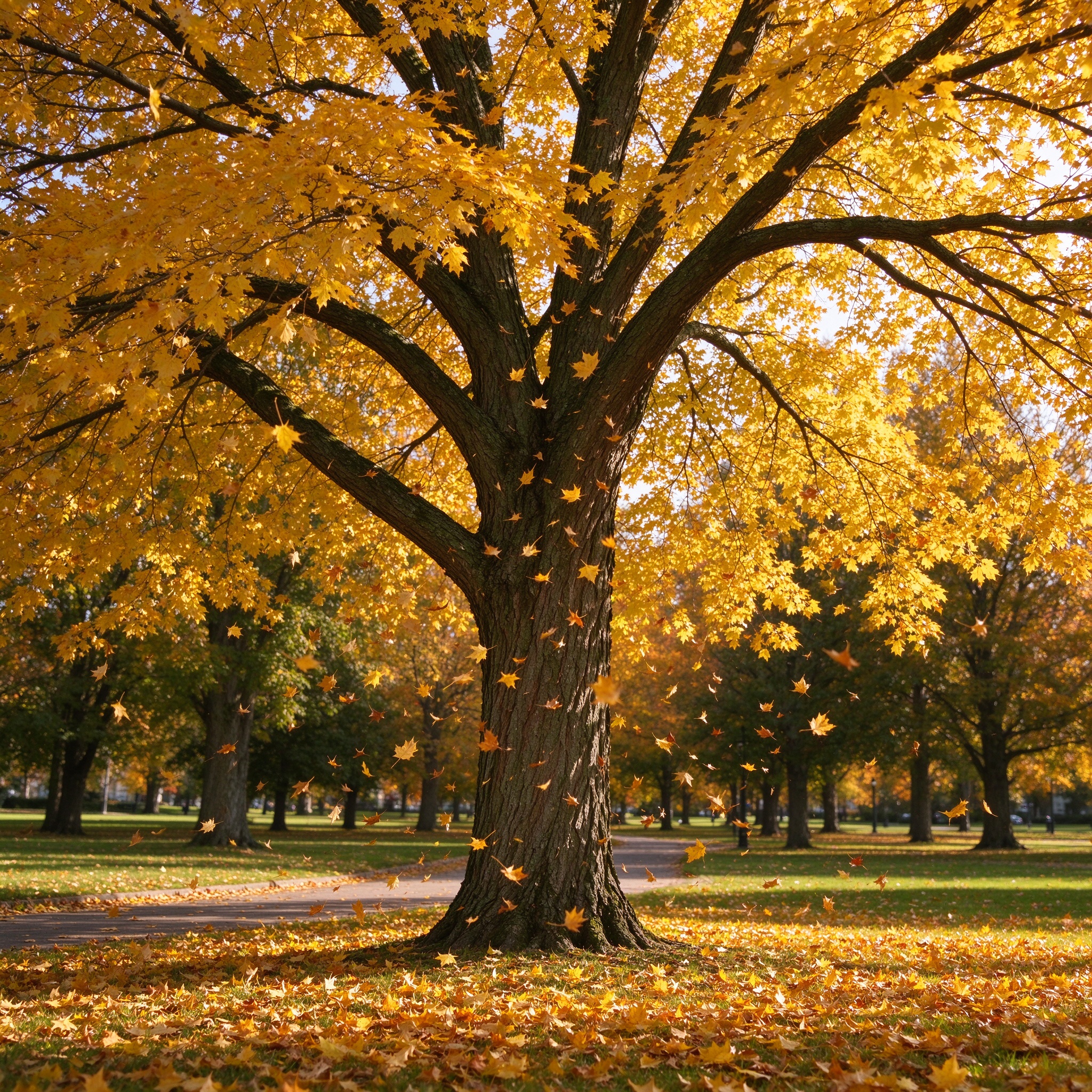 4
Fall Color
(September–October)Leaves turn clear yellow and drop quickly. Elm is not a major ornamental fall-color tree.
💧 Detailed Care Guide
☀️ Light Requirements
- •Full sun.
- •Needs at least 6 hours of direct sun for best structure and resistance to disease.
💧 Watering
- •Moderate.
- •Water deeply once a week during the first two years. Established trees are moderately drought-tough and tolerate occasional wet soil.
🌡️ Temperature
- •Hardy to -45°C (zone 2).
- •The cold-hardy native elm.
🌱 Soil & Fertilizer
Soil:
Very adaptable — tolerates clay, sand, poor, and compacted urban soils. Prefers average moist loam but grows where few other large trees will.
Fertilizer:
- •Little fertilizer needed.
- •A light application of 10-10-10 in spring for young trees. Avoid over-fertilizing.
📝 Step-by-Step Planting Guide
- 1Plant a DED-resistant cultivar — 'Princeton' or 'Valley Forge'. Do not plant wild-collected elms; they almost always die from Dutch elm disease.
- 2Choose a site with ample room — elms spread 40–60 feet wide. Full sun.
- 3Dig a hole twice as wide as the root ball. Plant at the same depth as the nursery. Backfill with native soil.
- 4Water deeply once a week for the first two years. Mulch 3 inches with shredded bark.
- 5Prune in late winter to maintain a central leader and remove weak branch unions.
- 6Monitor for Dutch elm disease: yellowing leaves in early summer that progress from one branch. Report and remove immediately if found.
🌱 Recommended Varieties
"Princeton"
Classic vase shape, good DED resistance. The most widely planted resistant cultivar."Valley Forge"
Strongest DED resistance, broad arching form."Jefferson"
Golden fall color, excellent disease resistance.🍅 When to Harvest
❓ Frequently Asked Questions
- 1
Can I still plant an American elm?
- •Yes — but only a resistant cultivar. 'Princeton', 'Valley Forge', and 'Jefferson' are widely available.
- •Wild or unimproved elms will likely succumb to Dutch elm disease.
- 2
How fast does American elm grow?
Fast — 2–3 feet per year in good soil. It is one of the fastest large shade trees. - 3
What are the little green discs in spring?
They are elm samaras — flat, winged seeds that cover the tree before leaves expand. They drop within 2–3 weeks.
Photo credit: NC State Extension
Images courtesy of NC State Extension under CC BY license. Thank you to the photographers who make these educational images available.
License: CC BY-NC 2.0 / CC BY 4.0