
How to Grow Gladiolus: Complete Guide
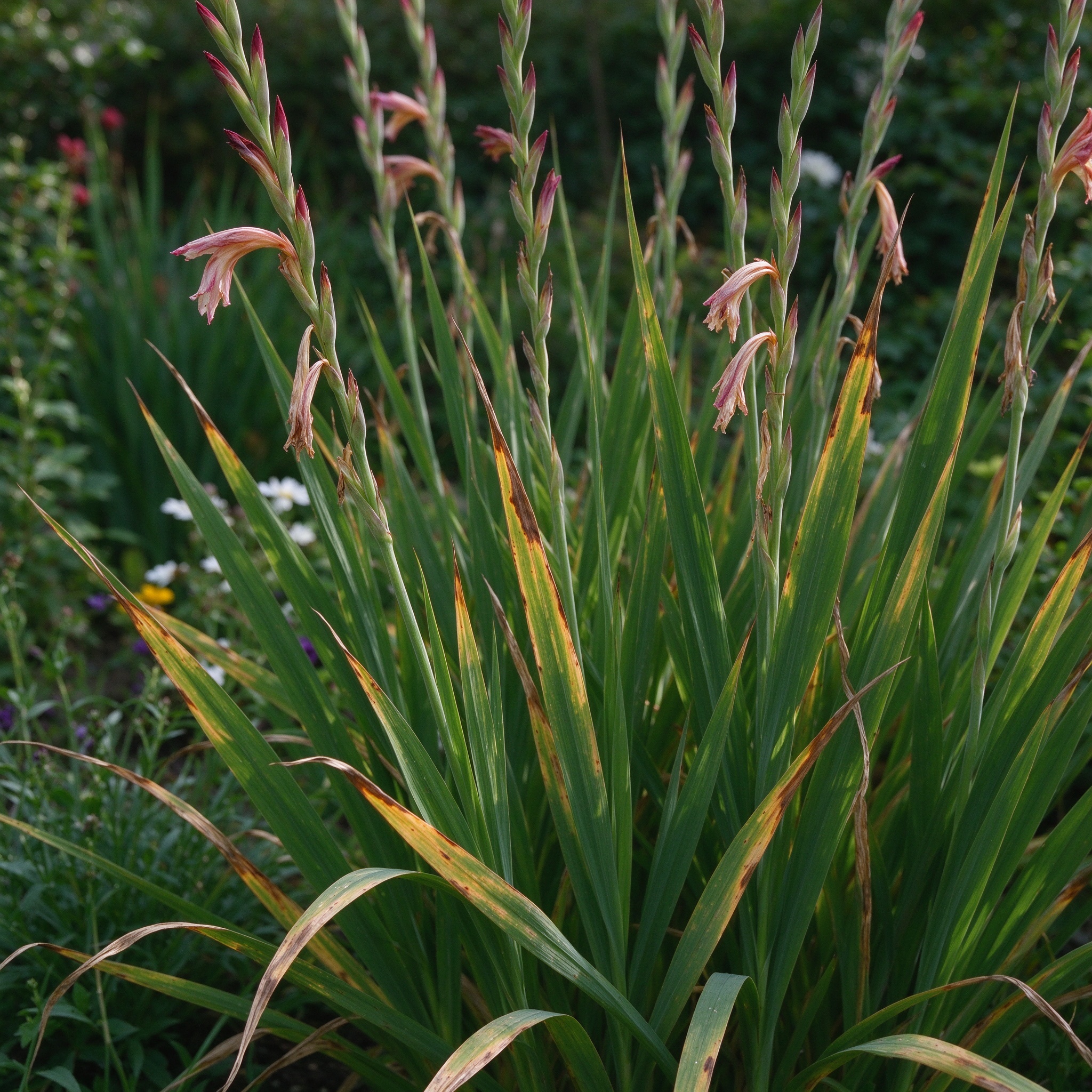
- •Gladiolus, commonly called gladiola or glads, are striking summer-flowering corms grown for their tall, dramatic spikes of funnel-shaped flowers in a rainbow of colors.
- •Native to South Africa and the Mediterranean, gladiolus produce sword-shaped foliage and flower spikes that can reach 3 to 5 feet, with florets opening from the bottom of the spike upward over one to two weeks.
- •They are among the most popular cut flowers in the world, prized for their long stems, long vase life, and nearly limitless color range — white, yellow, pink, red, purple, coral, green, and bicolor.
- •Gladiolus are tender perennials grown from corms (compressed underground stems), usually treated as annuals in cool climates because the corms cannot survive freezing soil.
- •They are easy to grow in full sun and well-drained soil, bloom about 70 to 90 days after planting, and provide a continuous show when planted in successional batches every two weeks through early summer.
📋 Quick Facts
Scientific Name: Gladiolus hybrids (Gladiolus × hortulanus)
Family: Iridaceae
Category: Flower
USDA Zones: Tender perennial grown from corms; hardy in USDA zones 8–11, grown as an annual (lifted and stored) in zones 7 and colder.
Light:
- •Gladiolus need full sun for the strongest growth and best flowering — at least six hours of direct sunlight daily, ideally eight or more.
- •In full sun, plants produce tall, sturdy spikes with abundant, evenly spaced florets.
- •In too much shade, gladiolus become tall, weak, and floppy, with fewer, paler flowers and a higher risk of disease.
- •Plant corms in the sunniest, most open part of the garden, away from the shade of trees, buildings, and tall shrubs.
- •The plants thrive in hot, sunny positions and handle summer heat well, though very intense afternoon heat can briefly wilt flowers, which recover by evening.
Water:
- •Gladiolus need consistent moisture while growing and blooming, but the corms dislike waterlogged soil.
- •Water deeply after planting to settle the corms, then keep the soil evenly moist — about 1 inch of water per week — while the plants are actively growing and flowering.
- •Reduce watering after bloom as the foliage begins to yellow, and stop watering entirely once the foliage dies back and the corms are dug for storage.
- •Water at the base rather than overhead to keep foliage dry and reduce the risk of rust and botrytis.
- •During dry spells, water deeply once or twice a week; in rainy periods, ensure good drainage so corms do not rot.
Temperature:
- •Gladiolus are tender perennials that thrive in temperatures from 60 to 80°F (16 to 27°C) and are not frost-hardy.
- •The corms cannot survive freezing soil, so in USDA zones 7 and colder they are typically dug up and stored over winter, or grown as annuals.
- •They need about 70 to 90 days of warm growing weather to bloom.
- •Gladiolus handle summer heat well but prefer moderate warmth; intense heat can shorten the bloom period, and very cold or rainy weather promotes corm rot and disease.
- •In frost-free zones 8 to 11, corms can be left in the ground year-round, though they still benefit from being lifted and divided every few years to maintain vigor.
Soil:
- •Gladiolus need fertile, loose, well-drained soil to grow their large corms and tall flower spikes.
- •A sandy loam rich in organic matter with a pH of 6.0 to 7.0 is ideal.
- •Heavy clay that stays wet causes corm rot, so in clay soil amend generously with compost, coarse sand, or grit, or plant in a raised bed.
- •Work in compost or balanced fertilizer before planting to provide nutrients. Space corms 6 to 8 inches apart and plant 4 to 6 inches deep.
- •Good drainage is the single most important soil requirement — gladiolus will not tolerate waterlogged ground, and soggy soil is the leading cause of corm failure.
Harvest:
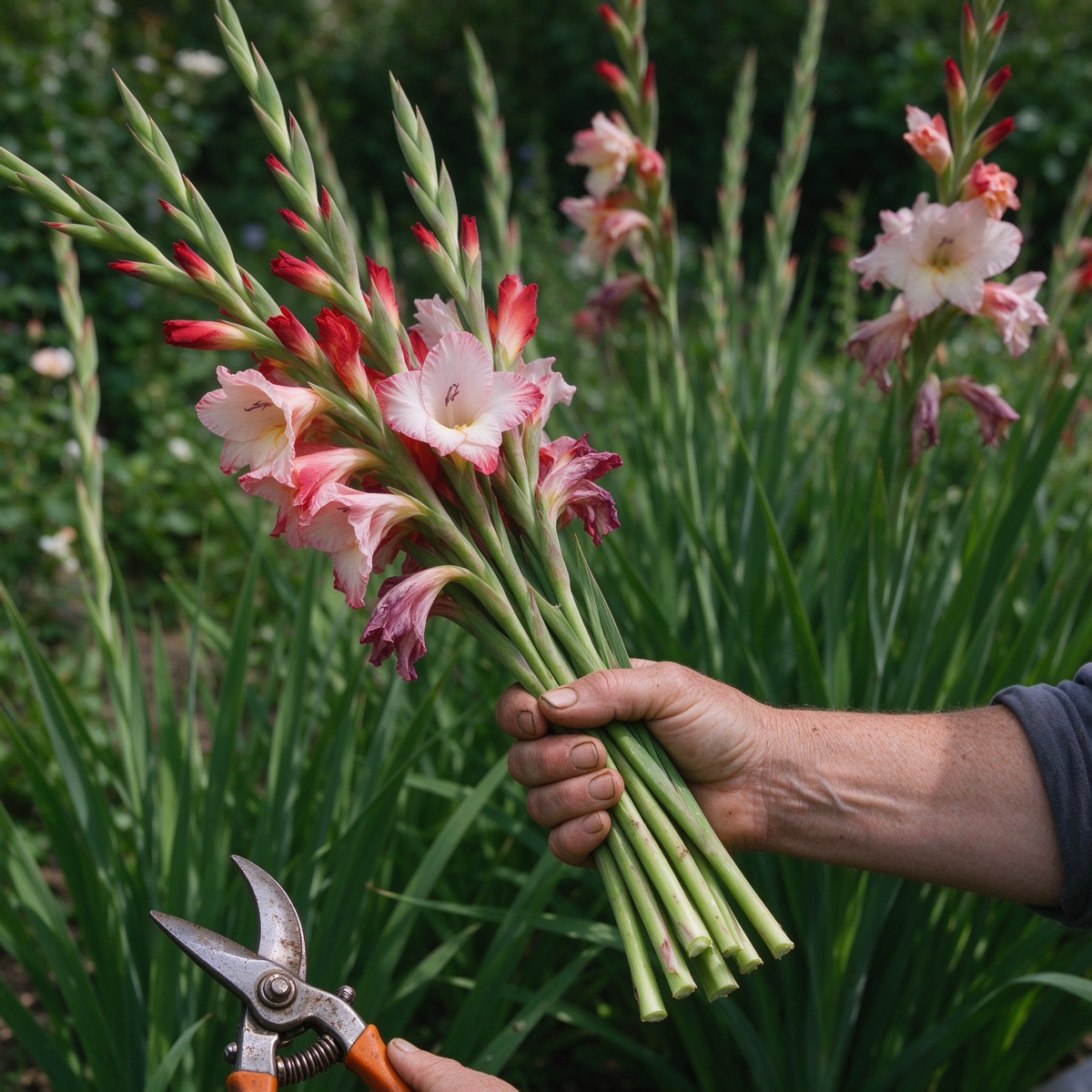
- •Harvest gladiolus flower spikes for cutting when the first one or two florets at the bottom of the spike begin to open, while the rest are still in tight buds.
- •Cutting at this stage gives the longest vase life — the remaining buds will open sequentially over 7 to 10 days.
- •Cut the stem with a sharp knife at a 45-degree angle, leaving at least four leaves on the plant to feed the corm for next year.
- •Place stems immediately in lukewarm water, and recut the base and change the water every two to three days.
- •Gladiolus are excellent for arrangements, lasting about a week in a vase.
- •For garden display, let the spikes open fully in place; stake tall varieties so the heavy flower spikes do not topple in wind and rain.
Common Problems:
- •Gladiolus are generally easy to grow but can face a few issues: thrips, tiny insects that damage buds and flowers causing streaking and deformed blooms; botrytis blight and rust, fungal diseases encouraged by cool, wet weather and poor air circulation; corm rot in waterlogged or heavy soil; and floppy, falling flower spikes on tall varieties in wind.
- •Deer and rabbits may browse the new foliage.
- •Small corms (cormels) around the base of larger corms can be saved and grown on for several years to produce flowering-size corms.
📅 When to Plant
- •Plant gladiolus corms in spring after the last frost, when the soil has warmed to at least 55 to 60°F (13 to 15°C).
- •In most climates, this is from mid-April through mid-June, but the exact window depends on your last frost date.
- •To enjoy blooms over a long season, plant corms in successional batches every two weeks from your last frost date until about 10 to 12 weeks before your first fall frost.
- •Gladiolus need about 70 to 90 days from planting to bloom. Plant corms 4 to 6 inches deep and 6 to 8 inches apart, with the pointed end facing up.
- •In colder climates, wait until all frost danger has passed, as corms are not winter-hardy; dig and store them in fall for replanting next spring.
🌱 Growing Stages
 1
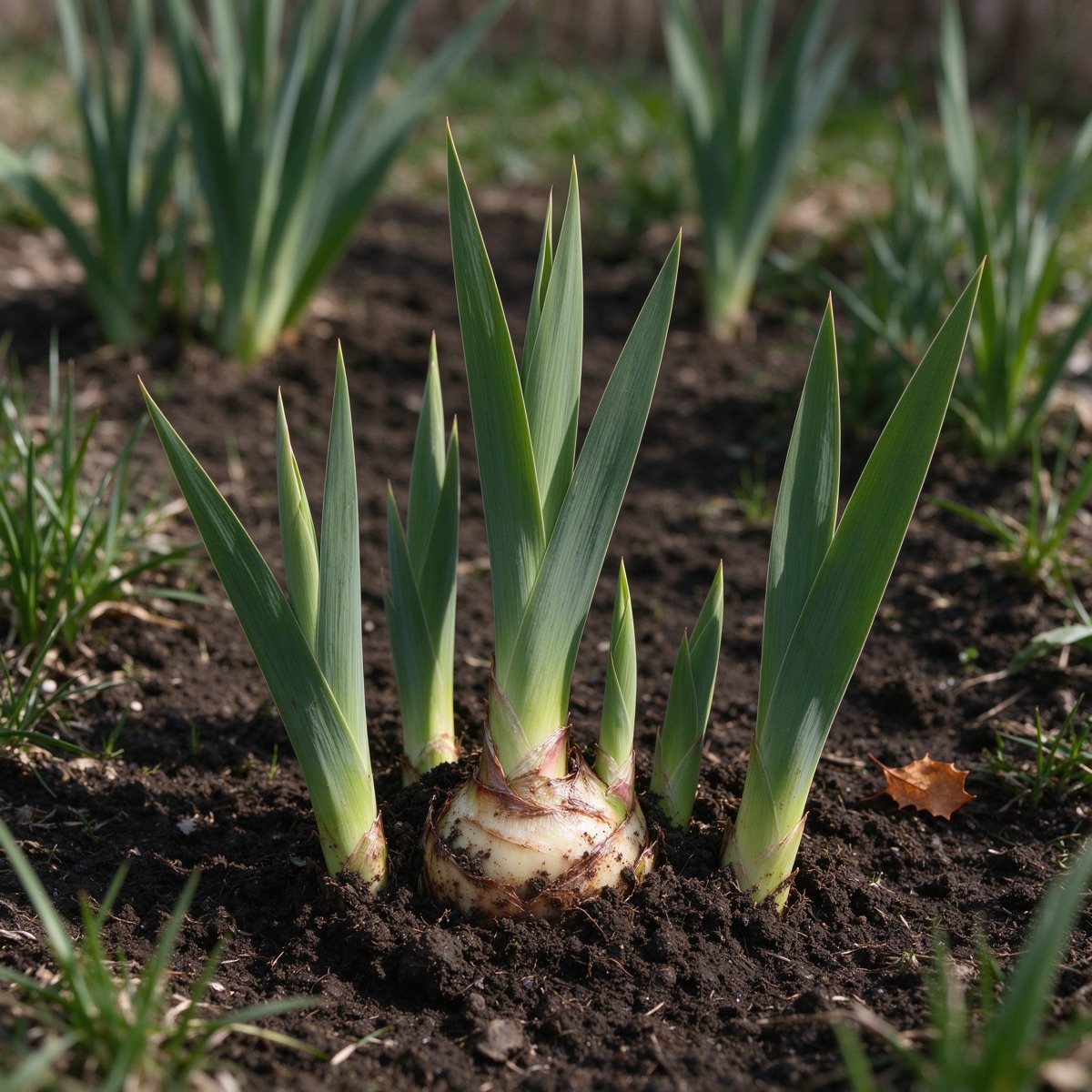
Corm sprouting and early growth
(Spring, 1–3 weeks after planting)- •After planting in warm soil, the corm sends up sword-shaped shoots within one to three weeks.
- •The foliage grows quickly, forming a fan of upright, pointed leaves.
- •Water consistently and keep the soil weed-free so the young plants establish strongly.
- •Apply the first side-dressing of fertilizer when shoots are a few inches tall.
 2
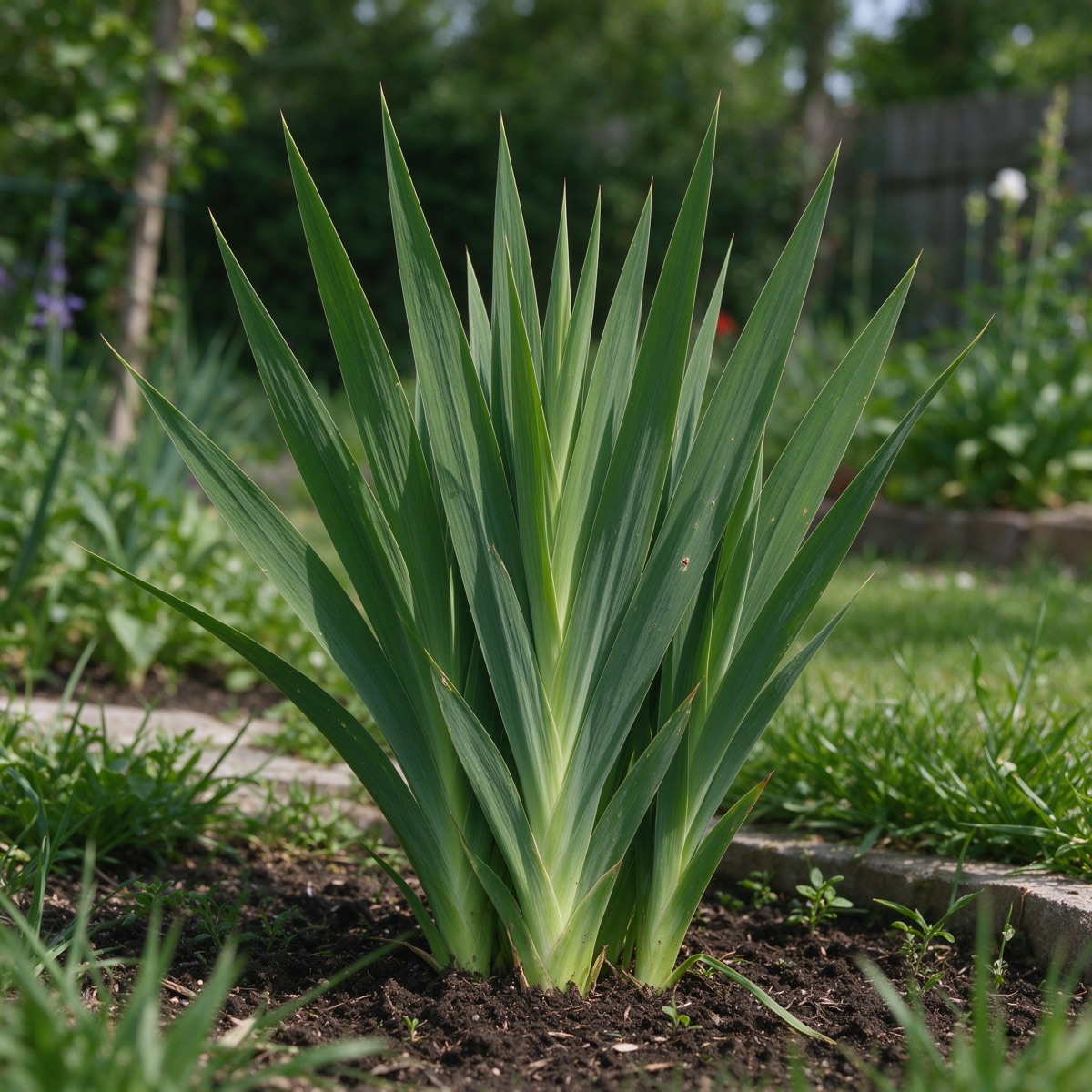
Vegetative growth and spike development
(3–6 weeks after sprouting)- •The plant builds a strong fan of foliage while the flower spike forms at the center and elongates.
- •Support tall varieties with stakes or grow-through grids as they grow.
- •Side-dress with low-nitrogen fertilizer when the plant is 8 to 10 inches tall and again as the spike begins to form.
- •Keep the soil evenly moist and free of weeds.
 3
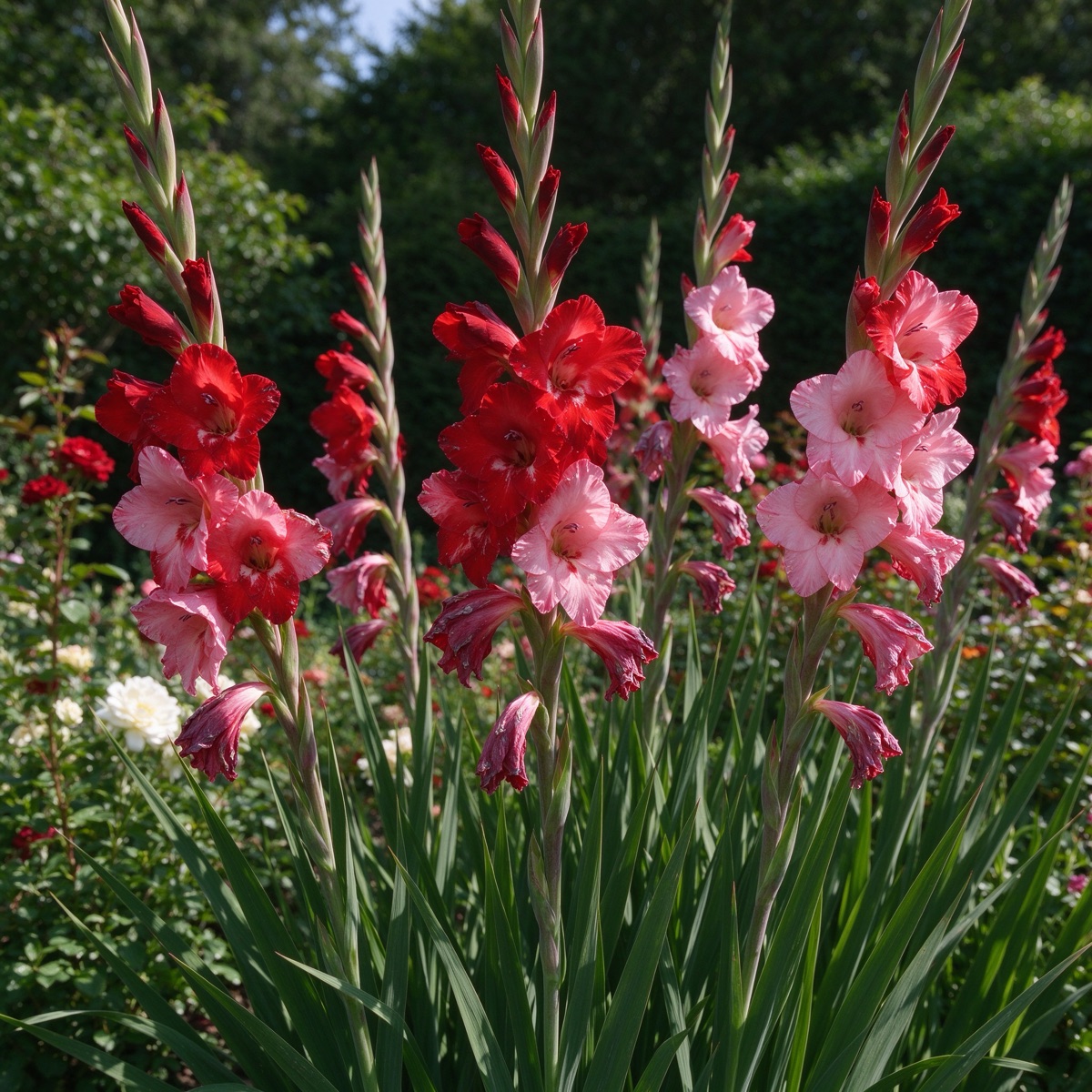
Bloom
(Mid-summer, 1–2 weeks per spike)- •The flower spike reaches full height and the florets open from the bottom of the spike upward over one to two weeks.
- •Each spike blooms for about a week to ten days, and successional plantings provide a continuous show through summer.
- •Harvest spikes for cutting when the first one or two florets open for the longest vase life, leaving foliage in place.
 4
Foliage die-back, corm harvest, and dormancy
(Late summer to fall)- •After bloom, the foliage gradually yellows and dies back, feeding the corm and producing new cormels.
- •Allow the foliage to die back naturally before digging.
- •In fall, dig the corms before the first hard frost, dry them, clean them, and store them in a cool, frost-free place over winter.
- •In frost-free zones, leave corms in the ground, lifting and dividing every few years.
💧 Detailed Care Guide
☀️ Light Requirements
- •Gladiolus need full sun for the strongest growth and best flowering — at least six hours of direct sunlight daily, ideally eight or more.
- •In full sun, plants produce tall, sturdy spikes with abundant, evenly spaced florets.
- •In too much shade, gladiolus become tall, weak, and floppy, with fewer, paler flowers and a higher risk of disease.
- •Plant corms in the sunniest, most open part of the garden, away from the shade of trees, buildings, and tall shrubs.
- •The plants thrive in hot, sunny positions and handle summer heat well, though very intense afternoon heat can briefly wilt flowers, which recover by evening.
💧 Watering
- •Gladiolus need consistent moisture while growing and blooming, but the corms dislike waterlogged soil.
- •Water deeply after planting to settle the corms, then keep the soil evenly moist — about 1 inch of water per week — while the plants are actively growing and flowering.
- •Reduce watering after bloom as the foliage begins to yellow, and stop watering entirely once the foliage dies back and the corms are dug for storage.
- •Water at the base rather than overhead to keep foliage dry and reduce the risk of rust and botrytis.
- •During dry spells, water deeply once or twice a week; in rainy periods, ensure good drainage so corms do not rot.
🌡️ Temperature
- •Gladiolus are tender perennials that thrive in temperatures from 60 to 80°F (16 to 27°C) and are not frost-hardy.
- •The corms cannot survive freezing soil, so in USDA zones 7 and colder they are typically dug up and stored over winter, or grown as annuals.
- •They need about 70 to 90 days of warm growing weather to bloom.
- •Gladiolus handle summer heat well but prefer moderate warmth; intense heat can shorten the bloom period, and very cold or rainy weather promotes corm rot and disease.
- •In frost-free zones 8 to 11, corms can be left in the ground year-round, though they still benefit from being lifted and divided every few years to maintain vigor.
🌱 Soil & Fertilizer
Soil:
- •Gladiolus need fertile, loose, well-drained soil to grow their large corms and tall flower spikes.
- •A sandy loam rich in organic matter with a pH of 6.0 to 7.0 is ideal.
- •Heavy clay that stays wet causes corm rot, so in clay soil amend generously with compost, coarse sand, or grit, or plant in a raised bed.
- •Work in compost or balanced fertilizer before planting to provide nutrients. Space corms 6 to 8 inches apart and plant 4 to 6 inches deep.
- •Good drainage is the single most important soil requirement — gladiolus will not tolerate waterlogged ground, and soggy soil is the leading cause of corm failure.
Fertilizer:
- •Gladiolus benefit from a balanced fertilizer applied at planting and again when flower spikes begin to emerge.
- •At planting, work a balanced 5-10-5 or 8-8-8 fertilizer into the soil at the recommended rate.
- •When the plants are 8 to 10 inches tall and again as the flower spikes begin to form, side-dress with a low-nitrogen fertilizer such as 5-10-10 to support strong stems and abundant blooms.
- •Avoid excessive nitrogen, which produces lush foliage and weak, floppy spikes.
- •In containers, feed with a balanced water-soluble fertilizer every two to three weeks during the growing season.
- •Stop fertilizing once the foliage begins to yellow after bloom.
📝 Step-by-Step Planting Guide
- 1
Choose a sunny, well-drained site and prepare the soil
- •Select a spot with full sun (at least six hours daily, ideally eight or more) and sharp drainage.
- •Gladiolus need fertile, loose soil to grow their large corms and tall spikes.
- •In heavy clay, amend generously with compost, coarse sand, or grit, or plant in a raised bed to prevent waterlogging.
- •Work in compost or a balanced fertilizer before planting.
- •Good drainage is the most important soil requirement — soggy soil is the leading cause of corm failure.
- 2
Plant corms at the correct depth and spacing after the last frost
- •Plant gladiolus corms in spring after the last frost, when the soil has warmed to at least 55 to 60°F.
- •Set corms 4 to 6 inches deep and 6 to 8 inches apart, pointed end facing up.
- •For continuous bloom, plant successional batches every two weeks until about 10 to 12 weeks before the first fall frost.
- •Press corms firmly into the soil and water well to settle. In colder zones, wait until all frost danger has passed.
- 3
Water consistently while growing and blooming
- •Water deeply after planting to settle the corms, then keep the soil evenly moist — about 1 inch per week — while the plants actively grow and flower.
- •Water at the base rather than overhead to keep foliage dry and reduce rust and botrytis. During dry spells, water deeply once or twice a week.
- •Reduce watering after bloom as foliage yellows, and stop once the foliage dies back and corms are dug for storage.
- 4
Fertilize at planting and when spikes form
- •At planting, work a balanced 5-10-5 or 8-8-8 fertilizer into the soil.
- •When plants are 8 to 10 inches tall and again as flower spikes begin to form, side-dress with a low-nitrogen fertilizer such as 5-10-10 to support strong stems and abundant blooms.
- •Avoid excessive nitrogen, which produces lush foliage and weak, floppy spikes. Stop fertilizing once foliage yellows after bloom.
- 5
Stake tall varieties and support the heavy spikes
- •Tall gladiolus produce heavy flower spikes that can topple in wind and rain.
- •Install stakes or grow-through supports early, when plants are about 12 to 18 inches tall, so the support is in place before the spikes fully develop.
- •Tie the stems loosely to the stakes as they grow. Dwarf and miniature types need little or no support.
- •Alternatively, plant in clumps or rows so the spikes support each other.
- 6
Harvest spikes, then dig and store corms in fall
- •Harvest flower spikes for cutting when the first one or two florets open, leaving at least four leaves on the plant to feed the corm.
- •After bloom, allow the foliage to die back naturally, then dig the corms in fall before the first hard frost, dry them for a few weeks, remove the old corm and foliage, and store them in a cool, dry, frost-free place over winter.
- •Replant in spring.
- •In frost-free zones, corms can be left in the ground, though lifting and dividing every few years maintains vigor.
🌱 Recommended Varieties
The classic 4-to-5-foot cut flower giants
- •The most widely grown type, producing single tall spikes 4 to 5 feet tall with large, ruffled florets in a huge color range.
- •'Green Star' offers striking green blooms; 'Princess Margaret Rose' shows vivid pink with a white throat; 'Black Jack' produces deep wine-red, almost black flowers.
- •These are the standard for cutting and are staked in the garden to support the heavy spikes. Plant in groups or rows for abundant cut flowers.
Compact spikes for borders, pots, and small gardens
- •Dwarf and miniature gladiolus grow 2 to 3 feet tall with smaller, daintier florets, making them ideal for the front of borders, container plantings, and smaller gardens.
- •'Nanus' hybrids are a popular dwarf group with graceful, open florets; 'Atom' is a miniature with a striking red-edged coral bloom; 'Robinetta' shows bright magenta on a compact spike.
- •These need little or no staking and blend easily into mixed beds.
Unusual ruffled and bi-toned blooms
- •Butterfly gladiolus are shorter with heavily ruffled, orchid-like florets that hold their color well, excellent for cutting and arranging.
- •'Serengetti' is a creamy white-and-pink butterfly type; 'Pink Gem' offers soft pink; exotic species and hybrids such as 'Acidanthera' (peacock orchid) bring fragrant white-and-maroon blooms.
- •These add texture and unusual colors to borders and bouquets.
🪴 Growing in Containers
- Choose a deep, well-drained pot:
- •Gladiolus grow well in containers if given a deep pot and sharp drainage.
- •Select a pot at least 12 to 16 inches deep and wide for a cluster of corms, with generous drainage holes.
- •Use a well-draining potting mix amended with compost. A heavy pot resists blowing over when the tall flower spikes are top-heavy.
- •Dwarf and miniature types are especially suited to containers.
- Plant corms at the right depth and support the spikes:
- •Plant corms 4 to 6 inches deep in the container, pointed end up, spacing them 4 to 6 inches apart, and water well. Set the container in full sun.
- •Support the flower spikes with small stakes or a ring as they grow.
- •In containers, plants dry out faster, so check moisture regularly and water when the top inch of mix feels dry, keeping it evenly moist but never soggy.
- Feed regularly and overwinter the corms:
- •Feed container gladiolus with a balanced water-soluble fertilizer every two to three weeks during the growing season.
- •After bloom, let the foliage die back, then stop watering.
- •In fall, lift the corms, dry them, and store them in a cool, frost-free place, or move the whole container to a sheltered, frost-free spot.
- •Replant fresh corms each spring for the best display.
✂️ Pruning & Maintenance
- ✓
Harvest or deadhead spent flower spikes
- •For cutting, harvest spikes when the first one or two florets open, leaving at least four leaves on the plant.
- •For garden display, cut spent spikes off at the base once all florets have faded.
- •Removing the old spike keeps the plant tidy and directs energy into the corm. Do not cut the foliage, which feeds the corm.
- ✓
Allow foliage to die back naturally
- •After bloom, allow the foliage to yellow and die back naturally over several weeks.
- •The leaves photosynthesize and feed the corm for next year's growth. Do not cut or braid the foliage early, as doing so weakens the corm.
- •Once the foliage is fully yellow and dry, it can be removed.
- ✓
Lift, clean, and divide corms in fall
- •After the foliage dies back and before the first hard frost, dig the corms, shake off soil, and cut the foliage back to the corm.
- •Dry them in a warm, airy place for a few weeks, then remove the old shriveled corm at the base and separate the cormels.
- •Store clean corms in a cool, dry, frost-free place over winter, and replant in spring.
🐛 Pest & Disease Control
Common Pests
Thrips
Symptoms: Tiny, slender insects damage buds, leaves, and flowers, causing silvery streaks, brown spotting, and deformed or streaked blooms; heavy infestations can stunt growth and spread to stored corms.Control:- •Control thrips early with insecticidal soap or spinosad applied to foliage and buds, repeating per label intervals.
- •Practice good garden hygiene and avoid drought stress.
- •For stored corms, inspect and discard damaged ones, and dust healthy corms with an approved insecticide before storage to kill overwintering thrips.
Aphids
Symptoms: Clusters of small, soft-bodied insects gather on new shoots, buds, and undersides of leaves, causing curled, distorted growth and sticky honeydew; ants may follow.Control:- •Knock colonies off with a strong jet of water and encourage natural predators such as lady beetles and lacewings.
- •In heavy infestations, apply insecticidal soap or horticultural oil, and avoid high-nitrogen fertilizer that promotes the soft new growth aphids prefer.
Spider mites
Symptoms: Fine stippling and bronzing on leaves with delicate webbing on the undersides, most common in hot, dry, dusty conditions; foliage may yellow and drop prematurely.Control:- •Mist foliage periodically to raise humidity and knock mites down, and keep plants well watered to reduce stress.
- •Insecticidal soap or horticultural oil applied to the leaf undersides controls active colonies; repeat as needed.
- •Avoid broad-spectrum sprays that kill the predatory mites that regulate spider mites naturally.
Corm rot pathogens and cutworms
Symptoms: Cutworms sever young shoots at the soil line, and soft, mushy corms with a foul odor indicate corm rot from fungi in wet, poorly drained soil; plants may fail to sprout or collapse.Control:- •Protect young shoots from cutworms with collars at planting.
- •Prevent corm rot with sharp drainage, well-drained planting sites, and avoiding overwatering. Discard rotted corms and rotate planting sites.
- •In wet seasons, a labeled fungicide applied at planting may help.
Common Diseases
Botrytis blight (gray mold)
Symptoms: Brown, water-soaked spots develop on leaves, buds, and flowers, often covered with gray fuzzy mold, most common in cool, wet weather with poor air circulation; buds and blooms may rot and fail to open.Control:- •Remove and destroy infected plant parts promptly and improve air circulation by spacing plants and staking so foliage dries.
- •Water at the base rather than overhead. In persistent wet weather, apply a labeled fungicide at the first sign and repeat per label.
- •Practice good garden hygiene to reduce spore sources.
Gladiolus rust
Symptoms: Rust-colored pustules develop on leaves and occasionally on flowers, which may yellow and die prematurely; the disease spreads in warm, humid conditions.Control:- •Remove and dispose of infected leaves and improve air circulation by spacing plants and avoiding overhead watering.
- •Apply a labeled fungicide at the first sign and repeat per label.
- •Keep the garden free of plant debris and rotate gladiolus planting sites to reduce spore buildup.
Fusarium corm rot
Symptoms: Corms develop soft, brown, or black rotted areas and a foul odor, plants emerge weak and yellow, wilt, and may die; the disease is favored by warm, wet soil and infected corms.Control:- •Plant only healthy, certified corms and discard any soft or rotted ones. Ensure sharp drainage and avoid overwatering.
- •Rotate planting sites and avoid replanting gladiolus in contaminated soil. Dip clean corms in a labeled fungicide before planting in problem sites.
Aster yellows
Symptoms:- •Flowers turn green and distorted, developing abnormal, broom-like growth; new shoots become yellowed and stunted.
- •The disease is caused by a phytoplasma spread by leafhoppers and has no cure.
Control:- •There is no treatment; remove and destroy infected plants promptly to prevent spread.
- •Control leafhoppers, which transmit the phytoplasma, and remove nearby weeds that harbor both the insect and the disease.
- •Choose healthy corms and rotate the planting site from year to year.
🍅 When to Harvest
- •Harvest gladiolus flower spikes for cutting when the first one or two florets at the bottom of the spike begin to open, while the rest are still in tight buds.
- •Cutting at this stage gives the longest vase life — the remaining buds will open sequentially over 7 to 10 days.
- •Cut the stem with a sharp knife at a 45-degree angle, leaving at least four leaves on the plant to feed the corm for next year.
- •Place stems immediately in lukewarm water, and recut the base and change the water every two to three days.
- •Gladiolus are excellent for arrangements, lasting about a week in a vase.
- •For garden display, let the spikes open fully in place; stake tall varieties so the heavy flower spikes do not topple in wind and rain.
❓ Frequently Asked Questions
- 1
How long does it take for gladiolus to bloom?
- •Gladiolus typically bloom about 70 to 90 days after planting, depending on the variety and growing conditions.
- •By planting corms in successional batches every two weeks from your last frost date, you can enjoy a continuous show of blooms from midsummer into early fall.
- 2
Can gladiolus be left in the ground over winter?
- •Gladiolus corms are not winter-hardy in USDA zones 7 and colder, where freezing soil kills them.
- •In these zones, dig the corms in fall after the foliage dies back, dry them, and store them in a cool, dry, frost-free place for replanting in spring.
- •In frost-free zones 8 to 11, corms can be left in the ground year-round, though lifting and dividing every few years maintains vigor.
- 3
Do gladiolus need full sun?
- •Yes.
- •Gladiolus need full sun — at least six hours of direct sunlight daily, ideally eight or more — for the strongest growth and best flowering.
- •In too much shade, plants become tall, weak, and floppy with fewer, paler flowers. Plant corms in the sunniest, most open part of the garden.
- 4
Is gladiolus toxic to pets?
- •Gladiolus (Gladiolus hybrids) is not listed by the ASPCA as toxic to cats or dogs.
- •The corms may cause mild digestive upset if large amounts are eaten, as with many garden plants, so discourage pets from chewing on them.
- •Contact a veterinarian if your pet shows unusual symptoms after ingestion.
Source:
NC State Extension Gardener Plant Toolbox — Gladiolus — https://plants.ces.ncsu.edu/images/plants/gladiolus/
The Old Farmer's Almanac — Growing Gladiolus — https://www.almanac.com/plant/gladiolus
UF IFAS Gardening Solutions — Gladiolus — https://gardeningsolutions.ifas.ufl.edu/images/plants/ornamentals/gladiolus.html
ASPCA Toxic and Non-Toxic Plants — Gladiolus — https://www.aspca.org/pet-care/animal-poison-control/toxic-and-non-toxic-plants/g
Photo credit: NC State Extension
Images courtesy of NC State Extension under CC BY license. Thank you to the photographers who make these educational images available.
License: CC BY-NC 2.0 / CC BY 4.0