
How to Grow Lavender: Complete Guide
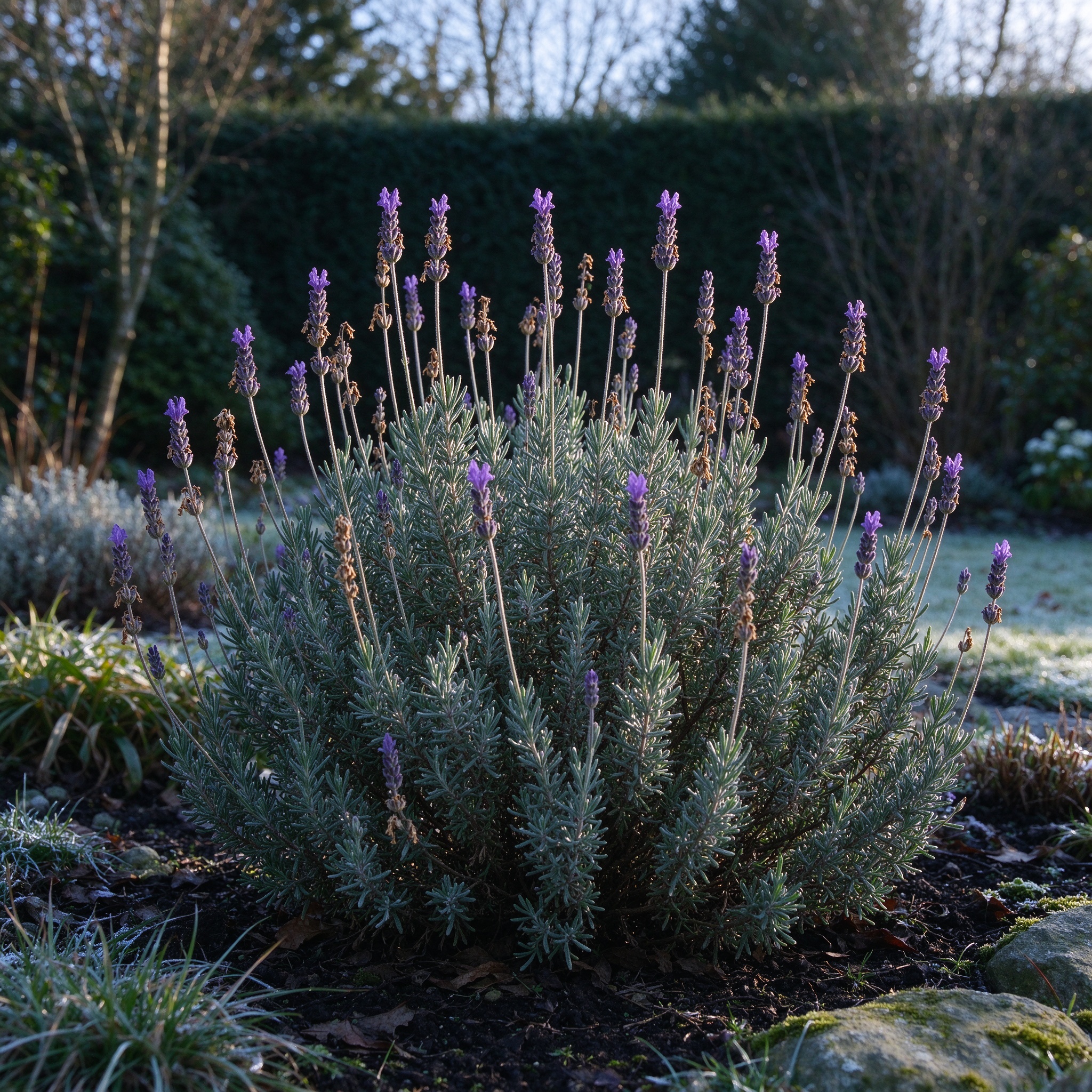
- •English lavender (Lavandula angustifolia) is an evergreen perennial shrub in the mint family native to the Mediterranean, grown for its fragrant blue-violet summer flower spikes and narrow gray-green foliage.
- •It forms a broadly mounded bush 1 to 2 feet tall and 2 to 3 feet wide.
- •Its one non-negotiable need is perfect drainage and full sun; it hates wet feet and dies out in heavy clay.
- •Propagate from cuttings or young plants, as seed is slow and needs months to sprout.
📋 Quick Facts
Scientific Name: Lavandula
Family: Lamiaceae
Category: Herb
USDA Zones: 5-9
Light:
- •Lavender demands full sun, 6 to 8 hours of direct light daily. Shade makes it leggy, open-centered, and prone to disease.
- •Indoors over winter, give it the brightest south-facing window you have, and keep it cool rather than hot.
Water:
- •Water newly planted shrubs once or twice a week until established; then water mature plants only every 2 to 3 weeks until buds form.
- •Yellowing leaves are almost always a sign of overwatering. Keep mulch away from the crown, and never let pots sit in water.
Temperature:
- •English lavender is hardy in zones 5 to 8 and tolerates cold winters best when drainage is sharp and roots stay dry.
- •It suffers more from wet, humid cold than from freezing.
- •In cold regions, protect the crown with evergreen boughs after the ground freezes, or grow in pots brought indoors.
Soil:
- •Plant in sandy, gravelly, sharply drained soil, neutral to slightly alkaline.
- •Lavender is not fussy about fertility, but it will not survive in compacted clay that holds water.
- •Amend clay with compost, coarse sand, and grit; a raised bed or gravel mound is ideal.
Harvest:
- •Snip flower stems when about half the buds have opened, cutting as long a stem as you like. Harvest in the morning when oils are most concentrated.
- •Hang bundles in a cool, dark, airy place to dry, then strip the blooms and store in sealed jars.
- •The dried flowers scent sachets, potpourri, and linen closets.
Common Problems: Root rot, Leaf spot, Spittlebugs.
⚠️ Pet Safety Warning
This plant is toxic to both cats and dogs.
Lavender contains linalool and linalyl acetate, which can be toxic to cats and dogs in large amounts.📅 When to Plant
- •Plant lavender as a young nursery plant in spring, after the soil warms to at least 60°F (15°C) and frost danger has passed.
- •In milder zones 7 to 9 you can also plant in fall using larger, more established plants.
- •In zone 5 and colder, container planting lets you bring the plant indoors for winter.
🌱 Growing Stages
 1
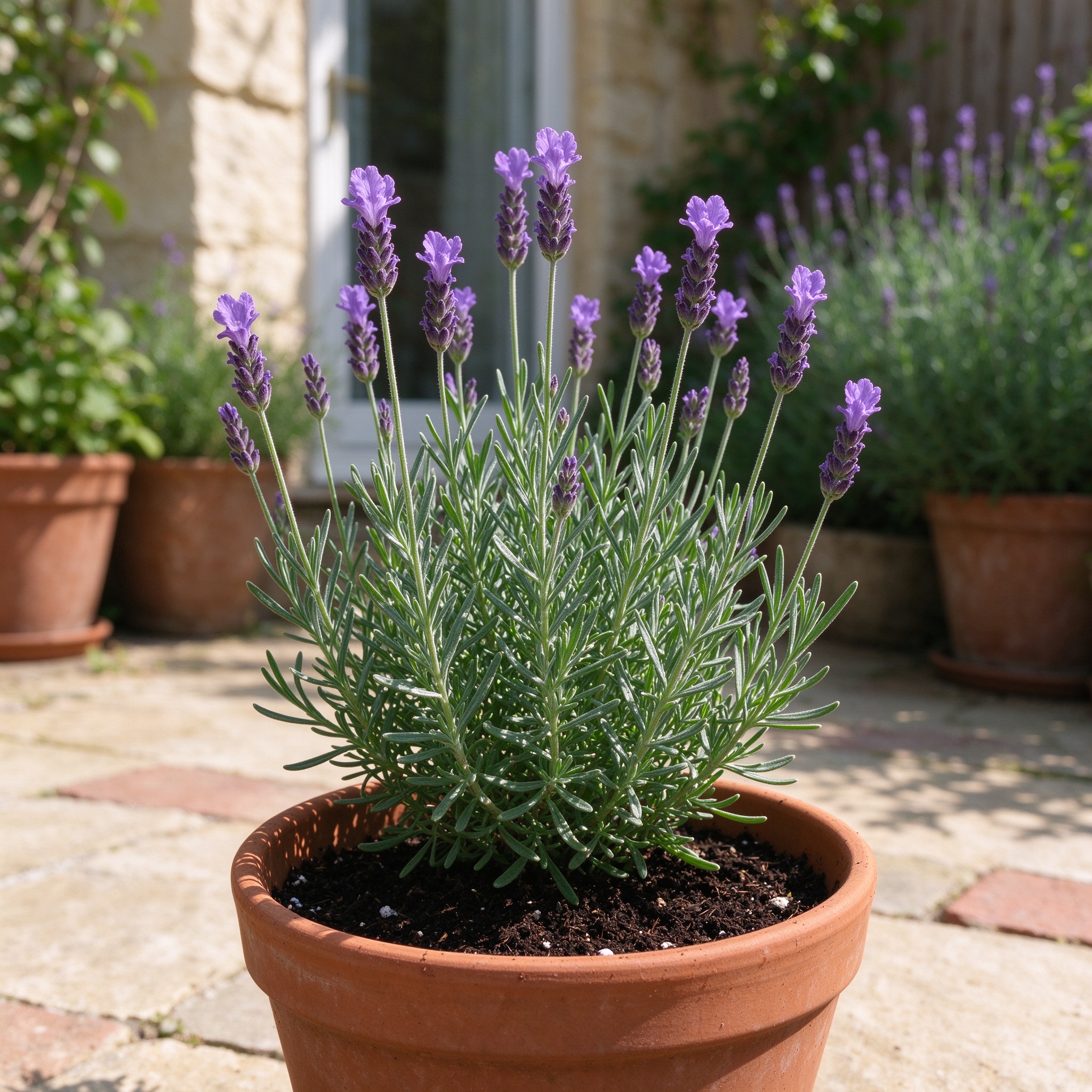
Cutting rooting
(About 3 weeks)- •A budless softwood side shoot, stripped of lower leaves, roots in gritty moist mix under humidity.
- •Tug gently to check; resistance means roots have formed. Pot up and grow on before planting out.
 2
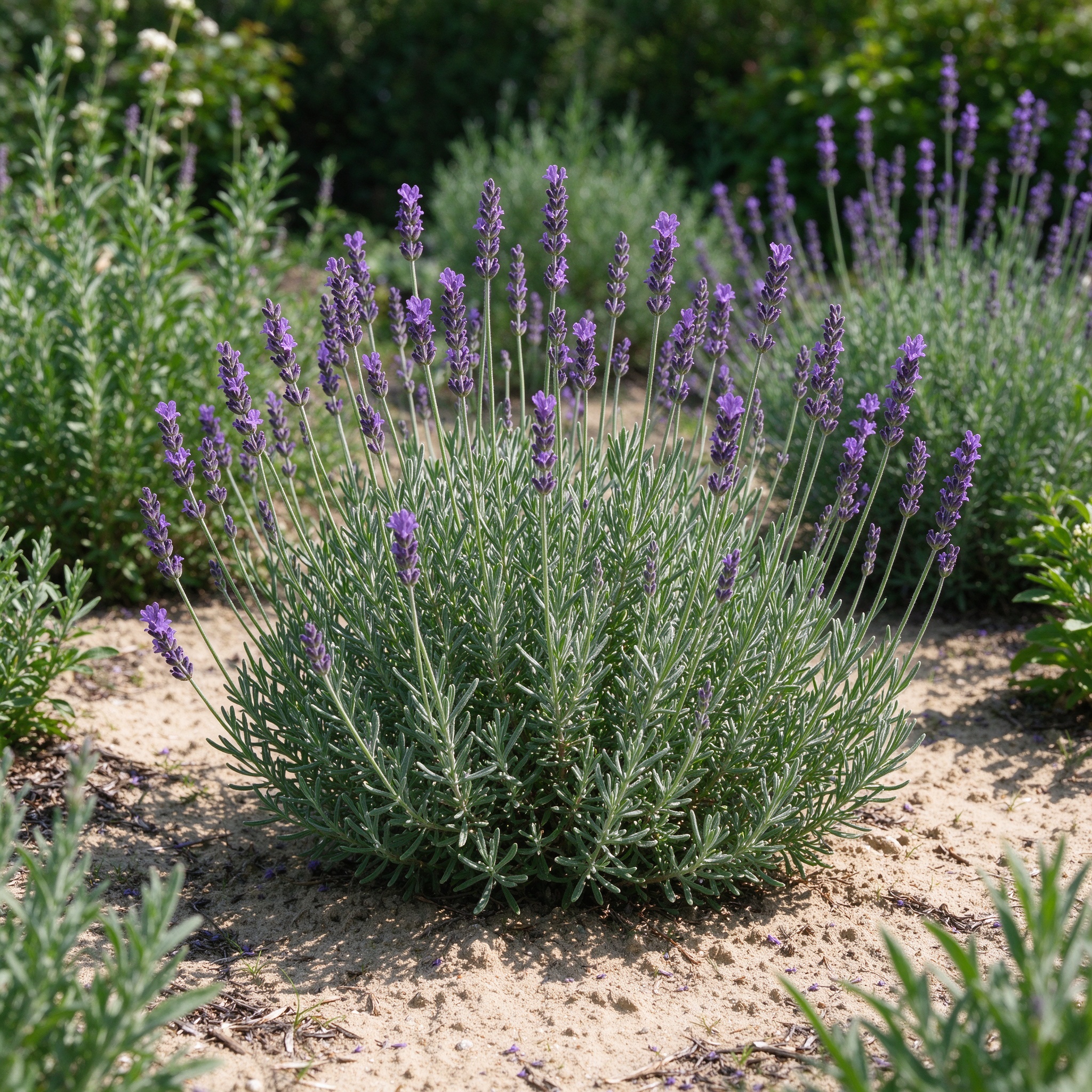
Establishment year
(First growing season)- •The young bush builds roots in a sunny, well-drained spot. Water once or twice a week until established, then taper off.
- •Avoid heavy feeding; a lean start produces hardier, more fragrant plants.
 3
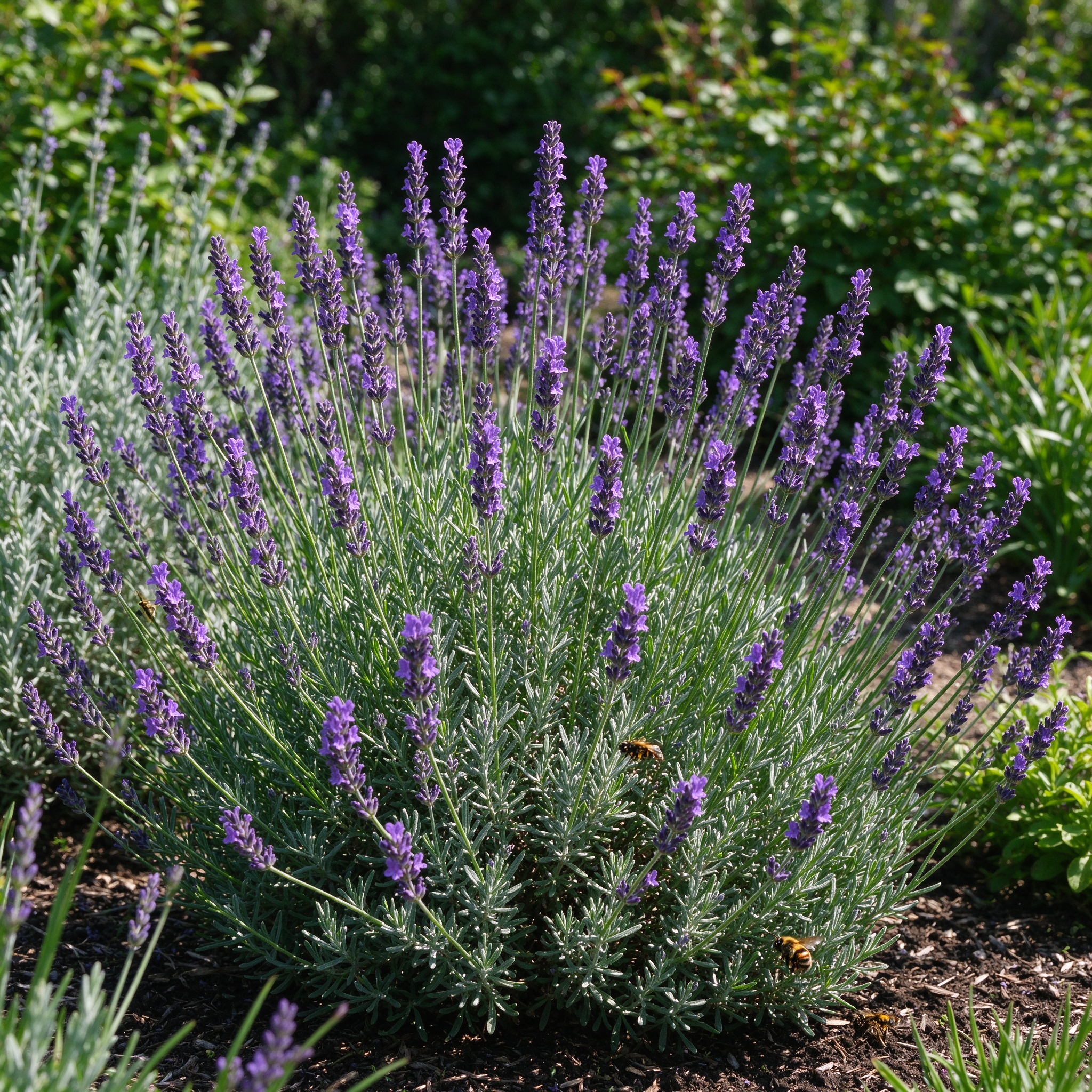
Mature flowering bush
(Years 2–5)- •The plant reaches 1 to 2 feet tall and flowers in summer on long spikes.
- •Shear after bloom, water only when dry, and watch for root rot in wet seasons. This is the peak harvest and display period.
- 4
Winter rest
(Winter)- •Evergreen foliage stays but growth slows. Protect crowns from wet snow and cold wind with evergreen boughs, or move pots to a bright cool window.
- •Do not prune hard or fertilize until spring.
💧 Detailed Care Guide
☀️ Light Requirements
- •Lavender demands full sun, 6 to 8 hours of direct light daily. Shade makes it leggy, open-centered, and prone to disease.
- •Indoors over winter, give it the brightest south-facing window you have, and keep it cool rather than hot.
💧 Watering
- •Water newly planted shrubs once or twice a week until established; then water mature plants only every 2 to 3 weeks until buds form.
- •Yellowing leaves are almost always a sign of overwatering. Keep mulch away from the crown, and never let pots sit in water.
🌡️ Temperature
- •English lavender is hardy in zones 5 to 8 and tolerates cold winters best when drainage is sharp and roots stay dry.
- •It suffers more from wet, humid cold than from freezing.
- •In cold regions, protect the crown with evergreen boughs after the ground freezes, or grow in pots brought indoors.
🌱 Soil & Fertilizer
Soil:
- •Plant in sandy, gravelly, sharply drained soil, neutral to slightly alkaline.
- •Lavender is not fussy about fertility, but it will not survive in compacted clay that holds water.
- •Amend clay with compost, coarse sand, and grit; a raised bed or gravel mound is ideal.
Fertilizer:
- •Lavender thrives on poor soil and needs almost no fertilizer.
- •Over-rich feeding produces soft, floppy growth that rots in winter and reduces fragrance.
- •A light top-dressing of compost once a year is plenty for garden plants; skip feeding in winter.
📝 Step-by-Step Planting Guide
- 1
Start with young plants or cuttings
- •Lavender seed is slow and erratic, taking up to three months to germinate, so most gardeners buy small nursery plants or root softwood cuttings after bloom.
- •To take a cutting, choose a side shoot with no bud, cut low near the root, strip the lower 2 inches of leaves, and insert it into gritty potting mix.
- •Roots appear in about 3 weeks, after which you pot the young plant on.
- 2
Prepare a sharply drained, sunny site
- •Pick the hottest, sunniest spot in the garden and improve drainage before planting.
- •In heavy clay, dig in compost, coarse sand, and grit, or build a raised bed and mound the soil slightly.
- •Lavender prefers neutral to alkaline ground; if your soil is very acid, a dusting of lime works wonders.
- •Wet feet, not cold, is what kills English lavender.
- 3
Space plants 2–3 feet apart, crown high
- •Set plants 2 to 3 feet apart so the mature 2- to 3-foot mound has room for air to move through.
- •Plant them at the same depth they grew in their pots, or even slightly high so the crown sits just above the surrounding soil.
- •Water in well once, then let the soil dry between waterings. Keep mulch away from the crown.
- 4
Water sparingly and gravel-mulch
- •Water new plants once or twice a week until established, then cut back dramatically: mature shrubs usually need water only every 2 to 3 weeks until buds form.
- •A mulch of pea gravel or crushed rock around the plant reflects warmth, suppresses weeds, and keeps the crown dry—far better than wood mulch, which holds moisture against the stems.
- 5
Prune lightly after bloom and protect in winter
- •Once flowers fade, shear the plant back by about one third into the green foliage to keep it dense and rounded.
- •Never cut into bare old wood, which rarely resprouts.
- •In cold zones, after the ground freezes, tuck evergreen boughs around the plant to shield it from wet snow and drying winds, and grow tender spots in pots you can move indoors.
🌱 Recommended Varieties
Early-blooming compact English lavenders
- •Short, tidy plants that flower early and suit edging and pots. 'Munstead' is a classic compact with violet-blue flowers and dark green foliage.
- •'Hidcote' carries deep-purple flowers and silver-gray foliage in a neat mound.
- •'Ellagance Purple' is an early-flowering strain with rich purple spikes, grown easily from seed.
Main hedge and landscape lavenders
- •Reliable bushy types for borders, low hedges, and mass planting. 'Hidcote Blue' forms a compact mound to 20 inches.
- •'Royal Purple' offers long, deep-violet spikes on sturdy stems.
- •'Mitcham Gray' is an old English strain with silver foliage and rich dark flowers, long used for oil and sachets.
Color specialty and lavandin types
- •Oden selections chosen for unusual flower color or extra-long stems. 'Miss Katherine' bears deep-pink flowers on an aromatic mound.
- •'Alba' is the white-flowered English lavender, elegant in moonlight gardens. Lavandin 'Provence' (L.
- •x intermedia) is a vigorous, long-stemmed, very fragrant hybrid used for sachets and oil.
🪴 Growing in Containers
- Choose a large pot with perfect drainage:
- •Lavender grows a wide root ball and needs room.
- •Use a pot at least 12 to 16 inches across with multiple drainage holes; terra cotta dries evenly and suits the plant's droughty nature.
- Plant in a gritty, alkaline mix:
- •Blend potting soil with coarse sand, perlite, and a little lime, or use a cactus-and-succulent mix. Heavy peat mixes stay too wet and invite root rot.
- •The grittier, the better.
- Top-dress with gravel:
- •A layer of pea gravel on the soil surface keeps the crown dry, reflects warmth, and looks clean.
- •It also prevents soil from splashing onto the silver foliage when you water.
- Grow in the hottest, sunniest spot:
- •Set the pot where it receives 6 to 8 hours of direct sun, such as a hot patio or steps.
- •Rotate weekly so all sides bloom evenly; shade makes potted lavender leggy and sparse.
- Overwinter pots bright and cool:
- •Before frost, move the pot to a bright, cool room or unheated sunporch.
- •Water sparingly while dormant, keep the crown dry, and skip fertilizer until spring, when it returns outdoors.
✂️ Pruning & Maintenance
- ✓
Shear by one third after bloom
- •Once the summer flowers fade, cut the whole bush back by about one third into the green foliage.
- •This prevents a woody, open center and triggers fresh, dense growth for next year.
- ✓
Shape in spring as growth emerges
- •When new green leaves appear at the base in spring, trim the plant into a neat rounded mound.
- •This removes winter-damaged tips and sets the shape for the coming season.
- ✓
Never cut into bare old wood
- •Lavender rarely resprouts from leafless brown stems. Always cut above green leafy growth.
- •If a branch is fully bare, remove it at the base rather than hoping it will regrow.
- ✓
Harvest flower stems as you deadhead
- •Cutting stems for drying doubles as pruning. Take long stems once half the buds open, and keep the bush balanced by harvesting from all sides.
- •Regular harvest keeps plants compact.
🐛 Pest & Disease Control
Common Pests
Aphids
Symptoms: Misshapen or yellow leaves and distorted flower spikes, with sticky honeydew on the foliage; colonies cluster on soft new growth in spring.Control:- •Knock them off with a strong water spray, apply insecticidal soap, and avoid excess nitrogen which pushes soft growth.
- •Encourage lacewings and lady beetles, which keep aphid numbers down naturally.
Spider mites
Symptoms: Stippled, bronzed foliage and faint webbing on branch tips in hot, dry weather; leaves may yellow and drop as numbers build.Control:- •Wash foliage with water and increase humidity around the plant.
- •Treat outbreaks with insecticidal soap or horticultural oil on a cool evening, and prune open the bush for air circulation.
Mealybugs
Symptoms: White cottony clusters in leaf axils and on stems, weakening the plant and leaving honeydew; most common on indoor or overwintered lavender.Control: Dab with alcohol on a cotton swab, or spray insecticidal soap. Isolate infested indoor plants, prune out badly affected stems, and improve ventilation.Whiteflies
Symptoms: Tiny white insects flutter up when the plant is brushed, feeding on leaf undersides and leaving yellow, sticky foliage.Control: Hang yellow sticky traps near the plant and spray leaf undersides with insecticidal soap. Remove badly infested leaves and avoid overfeeding soft growth.
Common Diseases
Phytophthora crown and root rot
Symptoms:- •Leaves discolor and wilt, branches die back, and the inner bark near the base shows reddish-brown discoloration; roots rot and the plant slowly declines.
- •Triggered by constantly wet soil.
Control:- •Plant in sharply drained soil, do not overwater, and keep mulch off the crown.
- •Remove infected plants and surrounding soil; advanced rot cannot be cured. Raised beds and gravel mulch prevent it.
Pythium root and stem rot
Symptoms: Plants stunt and yellow, may wilt by day but recover at night, then die; stem bases brown and blacken and outer root tissue pulls away easily.Control:- •Provide excellent drainage, avoid overhead watering, and do not bury the crown.
- •Solarize or replace contaminated soil before replanting lavender in the same spot.
Powdery mildew
Symptoms: A white powdery coating spreads over leaves and flower stems in humid, still air, distorting growth and weakening the bush.Control: Give full sun, space plants for airflow, and prune open the center. Spray mild cases with neem oil or a baking-soda foliar treatment and avoid wetting foliage.Bacterial and fungal leaf spot
Symptoms: Water-soaked rust or black spots between veins that later dry and drop out, leaving holes; leaves yellow, distort, and die back in wet seasons.Control:- •Remove infected parts, disinfect tools, and avoid overhead watering.
- •Provide good air circulation, keep foliage dry, and destroy rather than compost diseased trimmings.
Botrytis blight
Symptoms: Gray-brown fuzzy mold covers spent flowers and young shoots in cool, damp weather, causing stems to collapse and rot.Control: Deadhead promptly, thin the bush for airflow, and water at the base. Remove affected stems on a dry day and clean up fallen petals, which spread the spores.
🍅 When to Harvest
- •Snip flower stems when about half the buds have opened, cutting as long a stem as you like. Harvest in the morning when oils are most concentrated.
- •Hang bundles in a cool, dark, airy place to dry, then strip the blooms and store in sealed jars.
- •The dried flowers scent sachets, potpourri, and linen closets.
❓ Frequently Asked Questions
- 1
When is the best time to plant lavender?
- •Plant young nursery lavender in spring, once the soil has warmed to at least 60°F (15°C) and all frost danger has passed.
- •This gives the bush a full growing season to establish before winter.
- •In zones 7 to 9, you can also plant in fall, but choose larger, more established plants that can handle cold wet weather.
- •Give every plant a sunny, sharply drained spot.
- 2
My lavender keeps dying—what am I doing wrong?
- •Almost always, the answer is drainage. English lavender hates wet feet and rots in heavy, compacted clay.
- •Plant it in a raised bed or on a gravel mound, mix coarse sand and grit into the soil, water sparingly, and keep mulch off the crown.
- •Yellowing foliage and bare centers are classic signs of too much water, not too little.
- 3
How do I prune lavender?
- •Prune established plants in spring when green leaves emerge from the base, and again lightly after summer bloom.
- •Remove about one third of the top growth to keep the plant from becoming leggy and bare at the base, but never cut into the old woody stems, which will not regrow.
- •Regular light pruning keeps the bush compact and floriferous for years.
- 4
How do I overwinter lavender?
- •In zones 5 and colder, English lavender needs sharp drainage and protection from wet snow and drying wind.
- •After the ground freezes, tuck evergreen boughs or a light straw mulch around the crown.
- •Many gardeners in cold areas grow lavender in pots and move them to a bright, cool room for winter, watering sparingly while the plant rests.
- 5
Why is my lavender not flowering?
- •Lack of sun is the most common cause: lavender needs 6 to 8 hours of direct light a day and will not bloom well in shade.
- •Too much fertilizer pushes leafy growth at the expense of flowers, and heavy pruning into old wood can delay blooming.
- •Make sure the plant is mature enough—young cuttings often skip flowering in their first year.
- 6
How do I harvest and dry lavender?
- •Cut flower stems in the morning when about half the buds have opened, snipping as long a stem as possible.
- •Tie them into loose bundles and hang them upside down in a cool, dark, airy place.
- •After a few weeks the blooms dry fully; strip them into a sealed jar. Use the dried flowers in sachets, potpourri, linen closets, teas, and baking.
Source:
NC State Extension Gardener Plant Toolbox — https://plants.ces.ncsu.edu/images/plants/lavandula-angustifolia/
NC State Extension Gardener Plant Toolbox — https://plants.ces.ncsu.edu/images/plants/lavandula-angustifolia/
The Old Farmer's Almanac — https://www.almanac.com/plant/lavender
Photo credit: NC State Extension
Images courtesy of NC State Extension under CC BY license. Thank you to the photographers who make these educational images available.
License: CC BY-NC 2.0 / CC BY 4.0