
How to Grow Petunia: Complete Guide
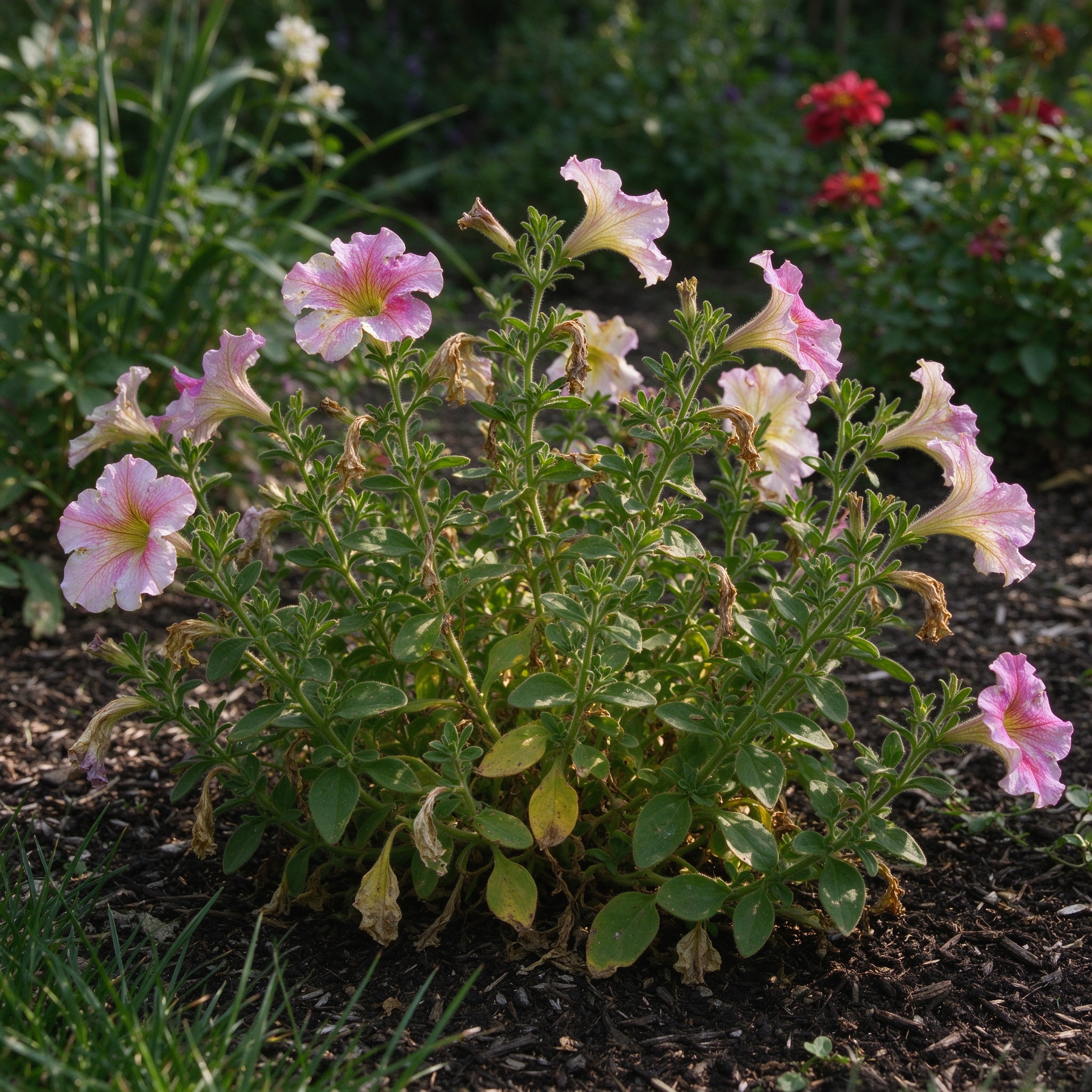
- •Petunias are among the most popular annual flowers in the world, beloved for their nonstop, trumpet-shaped blooms in a dazzling array of colors — purple, pink, red, white, yellow, and multicolored.
- •Native to South America, petunias are warm-season annuals grown for bedding, containers, window boxes, and hanging baskets, where they spill and trail beautifully.
- •They come in several groups: grandiflora with large flowers, multiflora with many smaller flowers, floribunda as a cross of the two, milliflora with very small flowers, and spreading or trailing types that cascade over basket edges.
- •Petunias are easy to grow from seed or transplants, thrive in full sun with well-drained soil, and bloom from early summer until frost.
- •They are low-maintenance, heat-tolerant, and provide one of the longest bloom seasons of any annual, rewarding gardeners with continuous color for months.
📋 Quick Facts
Scientific Name: Petunia × hybrida (and related Petunia species)
Family: Solanaceae
Category: Flower
USDA Zones: Tender warm-season annual, grown for a single season in all USDA zones; killed by frost.
Light:
- •Petunias need full sun for the best, most abundant bloom — at least six hours of direct sunlight daily, ideally eight or more.
- •In full sun, plants are compact, sturdy, and covered in flowers. In too much shade, petunias become leggy and sprawling with many fewer flowers.
- •Some trailing and wave types tolerate a little afternoon shade in hot climates, but most petunias perform best with maximum sun.
- •Choose the sunniest spot in the garden or place containers in full sun.
- •In very hot southern climates, light afternoon shade can protect blooms from heat stress while still giving strong flowering.
Water:
- •Petunias need regular, consistent moisture, especially in containers and during hot, dry weather.
- •Water deeply and evenly, keeping the soil evenly moist but not waterlogged.
- •In garden beds, about 1 inch of water per week is usually enough; in containers, water whenever the top inch of soil feels dry, sometimes daily in hot weather.
- •Avoid overhead watering that wets the foliage, which promotes disease. Water at the base in the morning.
- •Mulch garden beds to retain moisture and keep the soil cool.
- •Petunias wilt quickly when dry, but recover when watered; consistent moisture gives the fullest bloom.
Temperature:
- •Petunias are warm-season annuals that thrive in temperatures from 60 to 85°F (16 to 29°C) and are killed by frost.
- •They grow best when nighttime temperatures stay above 50°F (10°C) and bloom from early summer until the first fall frost.
- •Petunias tolerate summer heat well, especially heat-tolerant varieties such as the wave and landscape series, which keep blooming through hot spells.
- •In very hot climates, light afternoon shade and consistent moisture help plants cope with heat stress.
- •Cold snaps below 50°F slow growth and can damage tender growth; cover or move plants if a late frost threatens, since frost kills petunias.
Soil:
- •Petunias grow best in fertile, well-drained soil with a pH of 6.0 to 7.0.
- •They prefer a light, loamy soil rich in organic matter and do poorly in heavy, waterlogged clay.
- •Amend garden beds with compost before planting to improve drainage and fertility. In containers, use a high-quality, well-draining potting mix.
- •Good drainage is essential — petunias are susceptible to root rot in soggy soil.
- •Add a layer of mulch around garden plants to retain moisture and suppress weeds.
- •Whether in beds or containers, well-drained, fertile soil gives the strongest growth and the longest, fullest bloom season.
Harvest:
- •Petunias are grown for their flowers, not harvested, but regular deadheading keeps them blooming abundantly.
- •Remove faded flowers and their stems to encourage new buds and prevent seed formation, which slows blooming.
- •Grandiflora and other large-flowered types benefit most from deadheading; many modern multiflora, spreading, and self-cleaning varieties drop spent flowers on their own and need little or no deadheading.
- •Pinch or shear plants lightly in midsummer if they become leggy, removing the top few inches to encourage compact growth and a fresh flush of bloom.
- •Petunia flowers are edible and can be used as a colorful garnish, though they are grown mainly for display.
Common Problems:
- •Petunias are generally easy but can face a few common problems: leggy, sprawling growth with fewer flowers from too little sun; root rot and wilt in heavy, waterlogged soil; aphids, whiteflies, and caterpillars (including tobacco budworms) feeding on foliage and buds; powdery mildew in humid, poorly ventilated conditions; and cold damage or death from frost.
- •Deadheading and pinching keep plants compact and blooming, while good drainage, full sun, and regular feeding prevent most problems.
- •Modern wave and landscape petunias are bred for heat tolerance and a fuller, self-cleaning habit.
📅 When to Plant
- •Plant petunias in spring after the last frost, when the soil has warmed and all danger of frost has passed.
- •In most of the United States, this is from mid-April through May, depending on your last frost date.
- •Petunias are warm-season annuals that do not tolerate frost and grow best once nighttime temperatures stay above 50°F (10°C).
- •You can start petunias from seed indoors 10 to 12 weeks before the last frost, or buy transplants and set them out after the frost-free date.
- •Space most petunias 8 to 12 inches apart in beds, closer in containers for a full look.
- •For a long season, plant after the frost date and enjoy blooms from early summer until the first fall frost.
🌱 Growing Stages
 1
Germination and seedling growth (from seed)
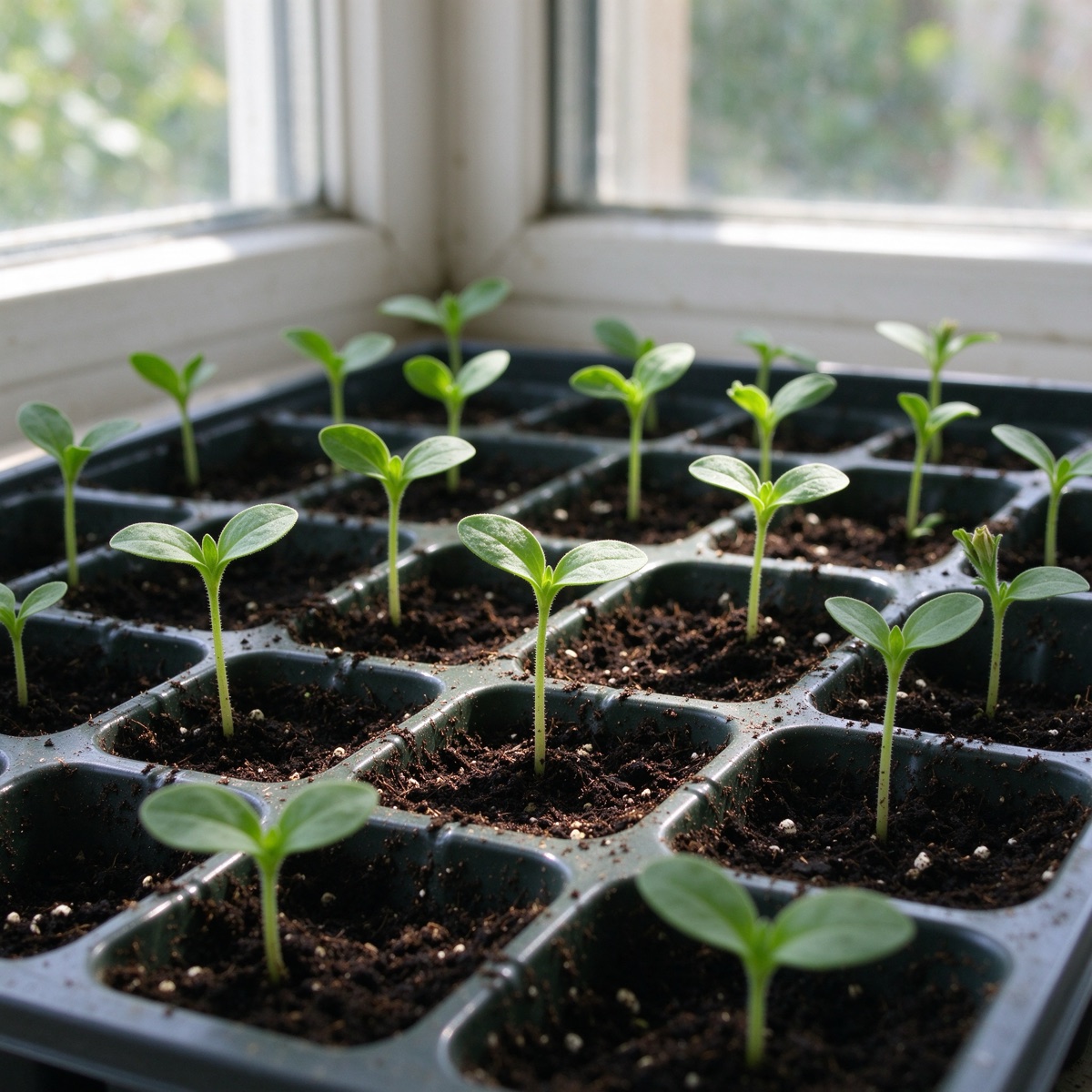
(10–12 weeks before the last frost)- •Start petunia seeds indoors 10 to 12 weeks before the last frost.
- •Sow seeds on the surface of moist seed-starting mix, as they need light to germinate, and keep them warm (70 to 75°F).
- •Seedlings emerge in 7 to 14 days.
- •Grow them under bright light, keep the mix evenly moist, and pinch the seedlings once they have several sets of leaves to encourage branching.
- •Harden off before planting outdoors.
 2
Transplanting and establishment
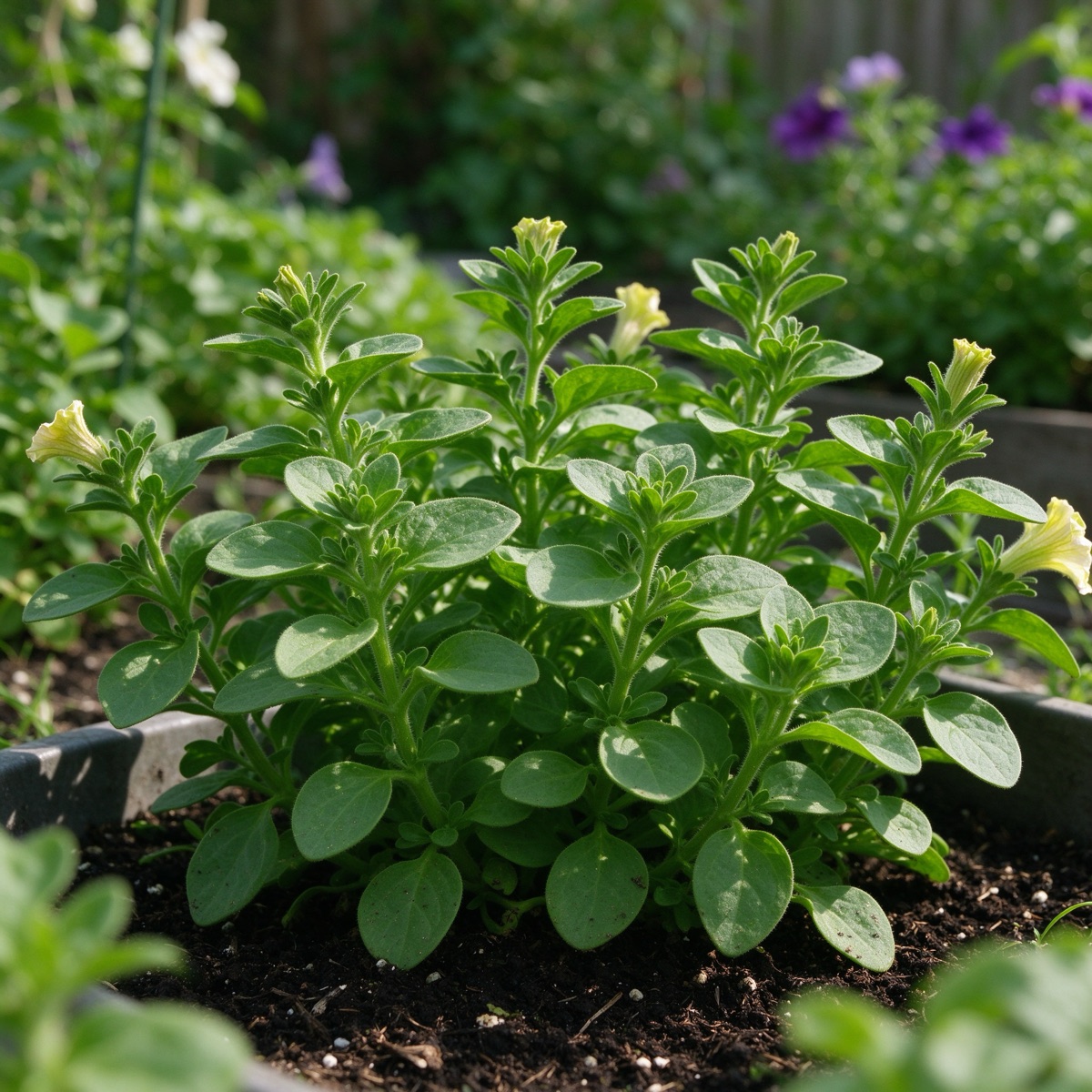
(Spring, after the last frost)- •Transplant petunia seedlings or purchased transplants outdoors after the last frost, once nights stay above 50°F.
- •Space them 8 to 12 inches apart in well-drained, fertile soil and water well. Pinch at planting to encourage bushy growth.
- •The plants settle in over a few weeks and begin to branch and form buds as the weather warms.
 3
Main bloom season
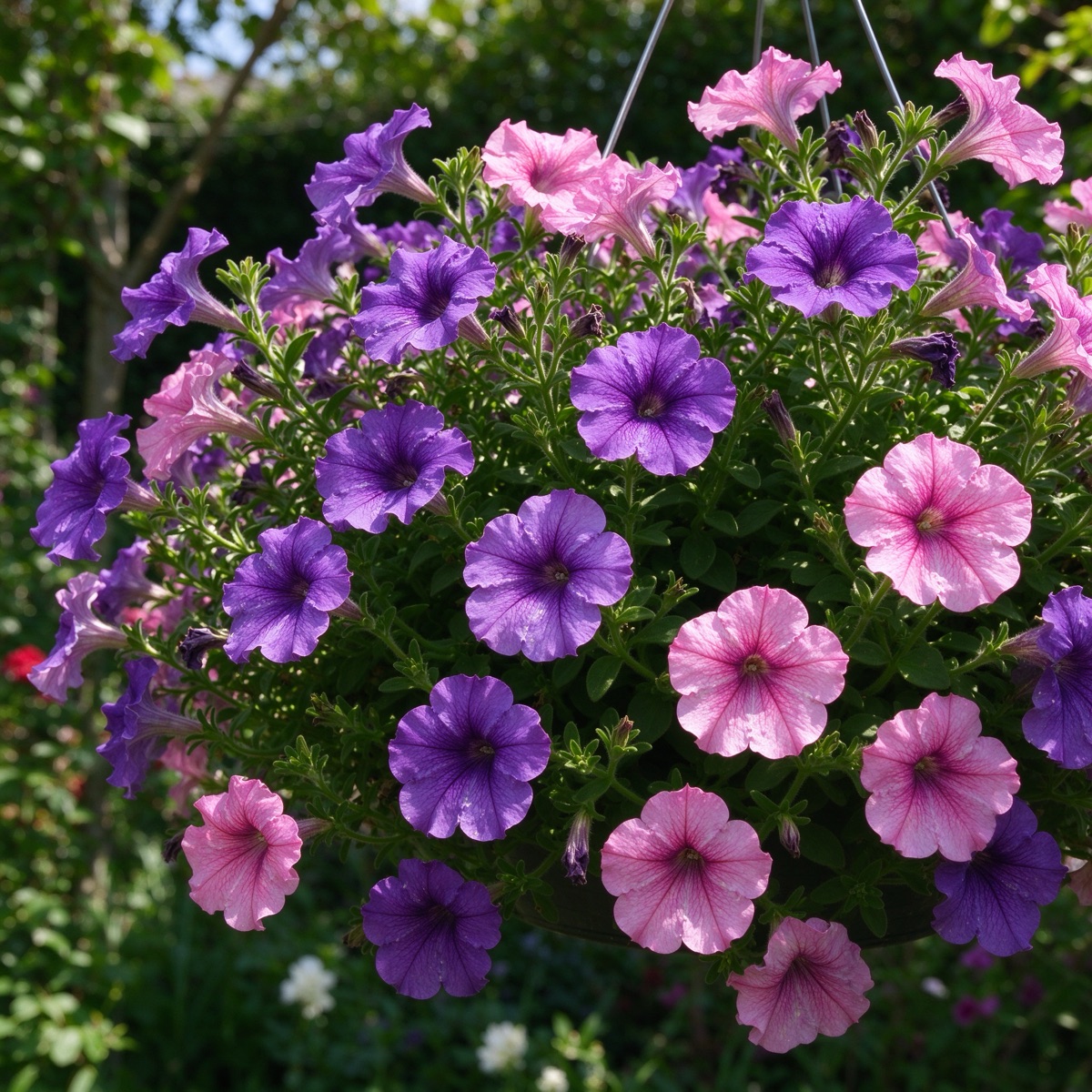
(Early summer to fall, 3–4 months)- •Petunias bloom continuously from early summer until frost, covering themselves in trumpet-shaped flowers.
- •Deadhead grandifloras regularly and pinch leggy growth to keep plants full. Water consistently and feed every two to three weeks.
- •Heat-tolerant wave and landscape varieties keep blooming through hot spells.
- •This long bloom season is why petunias are among the most popular annuals.
 4
Season decline and frost
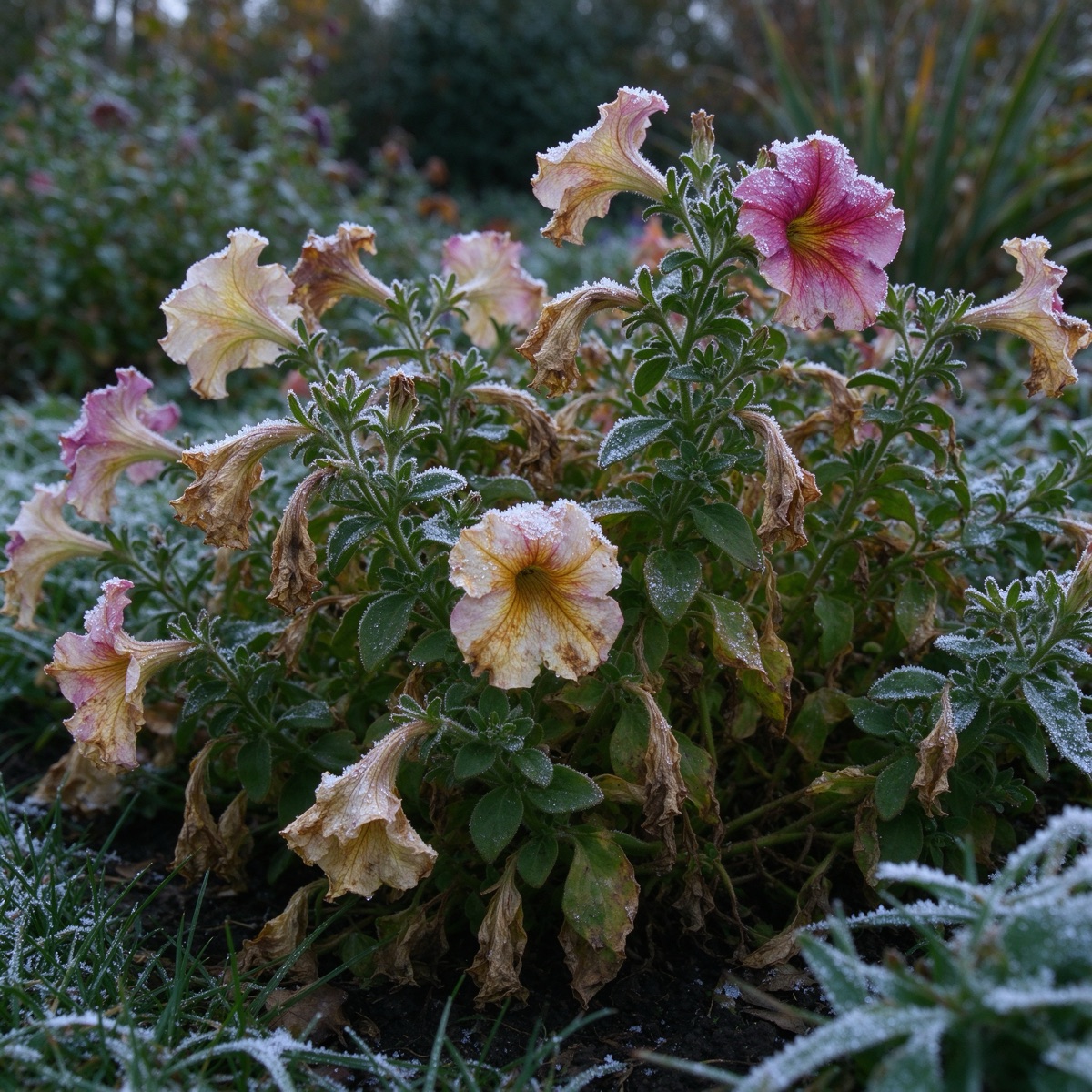
(Late fall)- •As nights cool in fall, petunias slow down and eventually are killed by the first frost. Enjoy the final blooms until frost.
- •Since petunias are warm-season annuals, they do not return; pull spent plants and compost them after frost.
- •Plan next year's planting by starting seeds indoors or choosing transplants for spring.
💧 Detailed Care Guide
☀️ Light Requirements
- •Petunias need full sun for the best, most abundant bloom — at least six hours of direct sunlight daily, ideally eight or more.
- •In full sun, plants are compact, sturdy, and covered in flowers. In too much shade, petunias become leggy and sprawling with many fewer flowers.
- •Some trailing and wave types tolerate a little afternoon shade in hot climates, but most petunias perform best with maximum sun.
- •Choose the sunniest spot in the garden or place containers in full sun.
- •In very hot southern climates, light afternoon shade can protect blooms from heat stress while still giving strong flowering.
💧 Watering
- •Petunias need regular, consistent moisture, especially in containers and during hot, dry weather.
- •Water deeply and evenly, keeping the soil evenly moist but not waterlogged.
- •In garden beds, about 1 inch of water per week is usually enough; in containers, water whenever the top inch of soil feels dry, sometimes daily in hot weather.
- •Avoid overhead watering that wets the foliage, which promotes disease. Water at the base in the morning.
- •Mulch garden beds to retain moisture and keep the soil cool.
- •Petunias wilt quickly when dry, but recover when watered; consistent moisture gives the fullest bloom.
🌡️ Temperature
- •Petunias are warm-season annuals that thrive in temperatures from 60 to 85°F (16 to 29°C) and are killed by frost.
- •They grow best when nighttime temperatures stay above 50°F (10°C) and bloom from early summer until the first fall frost.
- •Petunias tolerate summer heat well, especially heat-tolerant varieties such as the wave and landscape series, which keep blooming through hot spells.
- •In very hot climates, light afternoon shade and consistent moisture help plants cope with heat stress.
- •Cold snaps below 50°F slow growth and can damage tender growth; cover or move plants if a late frost threatens, since frost kills petunias.
🌱 Soil & Fertilizer
Soil:
- •Petunias grow best in fertile, well-drained soil with a pH of 6.0 to 7.0.
- •They prefer a light, loamy soil rich in organic matter and do poorly in heavy, waterlogged clay.
- •Amend garden beds with compost before planting to improve drainage and fertility. In containers, use a high-quality, well-draining potting mix.
- •Good drainage is essential — petunias are susceptible to root rot in soggy soil.
- •Add a layer of mulch around garden plants to retain moisture and suppress weeds.
- •Whether in beds or containers, well-drained, fertile soil gives the strongest growth and the longest, fullest bloom season.
Fertilizer:
- •Petunias are heavy feeders and bloom best with regular fertilization.
- •Work a slow-release balanced fertilizer into the soil at planting, or use a balanced water-soluble fertilizer every two to three weeks through the growing season.
- •A 20-20-20 or similar balanced formula supports steady growth and continuous bloom.
- •Avoid excessive nitrogen, which promotes lush foliage at the expense of flowers.
- •For container and hanging-basket petunias, regular liquid feeding is essential, as frequent watering washes nutrients out of the potting mix.
- •Stop or reduce fertilization in late summer as growth slows and the season winds down.
📝 Step-by-Step Planting Guide
- 1
Choose a sunny, well-drained site and prepare the soil
- •Select a spot with full sun — at least six hours of direct sunlight daily, ideally eight or more.
- •Petunias need fertile, well-drained soil with a pH of 6.0 to 7.0.
- •Amend garden beds with compost before planting to improve drainage and fertility, and work in a slow-release balanced fertilizer.
- •In containers, use a high-quality, well-draining potting mix. Good drainage is essential, as petunias are prone to root rot in soggy soil.
- 2
Plant transplants after the last frost
- •Plant petunias in spring after the last frost, once nighttime temperatures stay above 50°F.
- •Space most petunias 8 to 12 inches apart in beds, and plant at the same depth they grew in their pots. Water well after planting.
- •For a full container look, plant several transplants closer together.
- •Pinch the transplants lightly at planting to encourage branching and a bushier, more floriferous plant.
- 3
Water consistently and feed regularly
- •Water petunias deeply and evenly, keeping the soil evenly moist but not waterlogged.
- •In beds, about 1 inch per week is usually enough; in containers, water whenever the top inch of soil feels dry, sometimes daily in hot weather.
- •Feed with a balanced water-soluble fertilizer every two to three weeks, or use slow-release fertilizer at planting.
- •Container petunias need regular liquid feeding as watering washes out nutrients.
- 4
Deadhead and pinch to keep plants blooming
- •Remove faded flowers and their stems regularly to encourage new buds and prevent seed formation.
- •Grandiflora types benefit most from deadheading; many multiflora, spreading, and self-cleaning varieties drop spent blooms on their own.
- •Pinch or shear plants lightly in midsummer if they become leggy, removing the top few inches to encourage compact growth and a fresh flush of bloom.
- 5
Protect from pests and disease
- •Monitor for aphids, whiteflies, and caterpillars, which feed on foliage and buds.
- •Knock aphids off with water and encourage beneficial insects; control caterpillars such as tobacco budworms with an approved insecticide if needed.
- •Avoid overhead watering and provide good air circulation to prevent powdery mildew.
- •Remove and dispose of badly infested or diseased plant parts promptly.
- 6
Refresh containers and extend the season
- •Container petunias can be refreshed mid-season by trimming leggy growth and repotting or top-dressing with fresh potting mix and fertilizer.
- •In hot climates, wave and landscape petunias keep blooming through summer.
- •As fall approaches, enjoy the final flush of bloom until the first frost, which kills the plants.
- •For next year, start seeds indoors or buy fresh transplants in spring.
🌱 Recommended Varieties
Large, showy blooms for beds and containers
- •Grandiflora petunias produce the largest flowers, up to 4 to 5 inches across, in a wide range of colors and patterns.
- •They are stunning in beds and large containers but the big blooms are more vulnerable to rain damage.
- •Popular series include 'Dreams', 'Ultra', and 'Daddy'. These benefit most from deadheading to keep blooming.
- •Choose grandifloras where you want maximum flower size for show.
Abundant smaller flowers with weather tolerance
- •Multiflora petunias produce many smaller flowers, are more compact, and withstand rain and wind better than grandifloras, making them ideal for bedding.
- •Floribunda types are a cross of grandiflora and multiflora, combining large flowers with weather tolerance.
- •Popular series include 'Madness', 'Celebrity', and 'Primetime'.
- •These are low-maintenance, self-cleaning, and excellent for mass plantings and mixed beds.
Cascading groundcovers for baskets and edging
- •Spreading, wave, and trailing petunias grow low and wide, spreading up to 3 to 4 feet and cascading beautifully over the edges of hanging baskets, window boxes, and containers.
- •They bloom heavily all season, are heat and rain tolerant, and need no deadheading. The 'Wave' series, 'Supertunia', and 'Surfinia' are popular.
- •Plant them spaced far apart in the ground as a colorful groundcover, or let them trail from baskets.
🪴 Growing in Containers
- Choose a well-drained container and fertile potting mix:
- •Petunias are superb in containers, window boxes, and hanging baskets.
- •Select a pot with good drainage holes and fill it with a high-quality, well-draining potting mix.
- •Use a generous pot — a 10 to 12 inch container holds several plants, and hanging baskets give trailing types room to cascade.
- •Work a slow-release fertilizer into the mix at planting for steady nutrition.
- Plant densely and water consistently:
- •Plant several petunias in each container for a full, lush look, spacing them a few inches apart in baskets. Place the container in full sun.
- •Container petunias dry out quickly, so check moisture regularly and water whenever the top inch of mix feels dry — sometimes daily in hot, windy weather.
- •Water at the base to keep foliage dry and reduce disease.
- Feed often, deadhead, and refresh mid-season:
- •Container petunias are heavy feeders and need regular liquid fertilization, since watering washes nutrients from the mix.
- •Feed with a balanced water-soluble fertilizer every one to two weeks. Deadhead or pinch to keep plants blooming and compact.
- •Mid-season, trim leggy growth and top-dress with fresh mix and fertilizer to refresh tired plants and extend the bloom.
✂️ Pruning & Maintenance
- ✓
Deadhead spent flowers regularly
- •Remove faded flowers and their stems to encourage new buds and prevent seed formation, which slows blooming.
- •Grandiflora and large-flowered types benefit most from regular deadheading.
- •Many modern multiflora, spreading, and self-cleaning varieties drop spent blooms on their own and need little or no deadheading.
- •Regular deadheading keeps plants tidy and blooming abundantly.
- ✓
Pinch and shear leggy growth
- •If petunias become leggy or sprawling, especially in too little sun, pinch or shear them back lightly, removing the top few inches of growth.
- •This encourages branching and a compact, bushy plant with a fresh flush of flowers.
- •Pinch transplants lightly at planting to promote branching from the start, and shear again in midsummer if needed.
- ✓
Trim container plants and clean up in fall
- •Refresh container petunias mid-season by trimming leggy stems to encourage new growth and bloom.
- •As plants decline in fall, enjoy the final blooms until frost.
- •After the first frost kills the plants, pull the spent annuals and compost them or add to garden waste.
- •Clean containers for reuse and plan next spring's planting.
🐛 Pest & Disease Control
Common Pests
Aphids
Symptoms: Clusters of small, soft-bodied insects gather on new shoots, buds, and undersides of leaves, causing curled, distorted growth and sticky honeydew; ants may follow.Control:- •Knock colonies off with a strong jet of water and encourage natural predators such as lady beetles and lacewings.
- •In heavy infestations, apply insecticidal soap or horticultural oil, and avoid high-nitrogen fertilizer that promotes the soft new growth aphids prefer.
Whiteflies
Symptoms: Small, white, moth-like insects fly up in clouds when the plant is disturbed, feeding on the undersides of leaves and causing yellowing, stippling, and sticky honeydew; heavy infestations weaken plants.Control:- •Use yellow sticky traps to monitor and reduce adults, and spray the undersides of leaves with insecticidal soap or horticultural oil.
- •Encourage natural enemies such as parasitic wasps.
- •Remove and dispose of heavily infested foliage, and avoid over-fertilizing, which attracts whiteflies.
Caterpillars (tobacco budworm and others)
Symptoms: Irregular holes chewed in leaves, buds, and flowers; budworms bore into buds and flowers, causing them to fail to open or to have chewed petals, most active in summer evenings.Control:- •Handpick caterpillars in the evening and check buds for larvae.
- •Apply Bacillus thuringiensis (Bt) or an approved insecticide when young larvae are present, following label instructions.
- •Keep the garden weed-free to reduce alternate hosts, and inspect plants regularly during peak caterpillar season.
Slugs and snails
Symptoms: Irregular holes and chewed edges on leaves and flowers, with a slimy trail, most active in cool, damp weather.Control:- •Handpick in the evening and lay barriers such as copper tape or diatomaceous earth around plants.
- •Remove debris and mulch that give slugs daytime shelter, and water in the morning rather than the evening.
- •In severe cases, a pet-safe slug bait applied per label reduces populations.
Common Diseases
Root rot
Symptoms: Plants wilt despite moist soil, foliage yellows and collapses, and roots become brown and mushy, most common in heavy, waterlogged, or poorly drained soil and overwatered containers.Control:- •Ensure sharp drainage by amending soil, using well-draining potting mix, and avoiding overwatering.
- •Water at the base and let the top of the soil dry slightly between waterings in containers.
- •Remove and destroy severely affected plants, and do not replant petunias in the same contaminated spot.
Powdery mildew
Symptoms: White, powdery fungal growth appears on leaves and stems, which may yellow, curl, and drop; most common in humid, poorly ventilated conditions with crowded plants.Control:- •Improve air circulation by spacing plants and avoiding overhead watering, which wets the foliage.
- •Provide full sun, which dries the foliage and reduces humidity. Remove and dispose of affected leaves.
- •In persistent conditions, apply a labeled fungicide at the first sign and repeat per label.
Botrytis blight (gray mold)
Symptoms: Brown, water-soaked spots develop on flowers, buds, and leaves, often covered with gray fuzzy mold, most common in cool, wet weather with poor air circulation.Control:- •Remove and destroy infected plant parts promptly and improve air circulation by spacing plants.
- •Water at the base rather than overhead and avoid wetting the flowers.
- •In persistent wet weather, apply a labeled fungicide at the first sign and repeat per label. Keep the garden free of plant debris.
Tobacco mosaic virus
Symptoms: Leaves develop a mottled yellow-green mosaic, growth becomes distorted and stunted, and flowers may be malformed; the virus spreads through touch, tools, and contaminated plant material.Control:- •There is no cure; remove and destroy infected plants promptly to prevent spread.
- •Practice good hygiene by washing hands and disinfecting tools, and avoid handling tobacco products around petunias, as the virus is tobacco mosaic virus.
- •Plant only healthy, certified transplants.
🍅 When to Harvest
- •Petunias are grown for their flowers, not harvested, but regular deadheading keeps them blooming abundantly.
- •Remove faded flowers and their stems to encourage new buds and prevent seed formation, which slows blooming.
- •Grandiflora and other large-flowered types benefit most from deadheading; many modern multiflora, spreading, and self-cleaning varieties drop spent flowers on their own and need little or no deadheading.
- •Pinch or shear plants lightly in midsummer if they become leggy, removing the top few inches to encourage compact growth and a fresh flush of bloom.
- •Petunia flowers are edible and can be used as a colorful garnish, though they are grown mainly for display.
❓ Frequently Asked Questions
- 1
Do petunias need full sun?
- •Yes.
- •Petunias need full sun — at least six hours of direct sunlight daily, ideally eight or more — for the best, most abundant bloom.
- •In too much shade, plants become leggy and sprawling with many fewer flowers.
- •Some trailing and wave types tolerate a little afternoon shade in hot climates, but most petunias perform best with maximum sun.
- 2
How often should I water petunias?
- •Water petunias deeply and evenly, keeping the soil evenly moist but not waterlogged. In garden beds, about 1 inch of water per week is usually enough.
- •In containers and hanging baskets, water whenever the top inch of soil feels dry — in hot, dry, or windy weather, this may be daily.
- •Avoid overhead watering that wets the foliage.
- 3
Do petunias come back every year?
- •No.
- •Petunias are warm-season annuals that are killed by frost and do not return from year to year.
- •They bloom from early summer until the first fall frost, then die.
- •To enjoy them again, start seeds indoors 10 to 12 weeks before the last frost or buy new transplants each spring and plant them after the frost-free date.
- 4
Are petunias toxic to pets?
- •No.
- •Petunias (Petunia species) are not listed by the ASPCA as toxic to cats or dogs, and petunia flowers are even considered edible by humans.
- •While not considered toxic, eating large amounts of any garden plant could still cause mild digestive upset in pets, so discourage pets from chewing on petunias.
- •Contact a veterinarian if your pet shows unusual symptoms.
Source:
NC State Extension Gardener Plant Toolbox — Petunia — https://plants.ces.ncsu.edu/images/plants/petunia/
The Old Farmer's Almanac — Growing Petunias — https://www.almanac.com/plant/petunias
UF IFAS Gardening Solutions — Petunias — https://gardeningsolutions.ifas.ufl.edu/images/plants/ornamentals/petunias.html
ASPCA Toxic and Non-Toxic Plants — Petunia — https://www.aspca.org/pet-care/animal-poison-control/toxic-and-non-toxic-plants/p
Photo credit: NC State Extension
Images courtesy of NC State Extension under CC BY license. Thank you to the photographers who make these educational images available.
License: CC BY-NC 2.0 / CC BY 4.0