
How to Grow Yarrow: Complete Guide
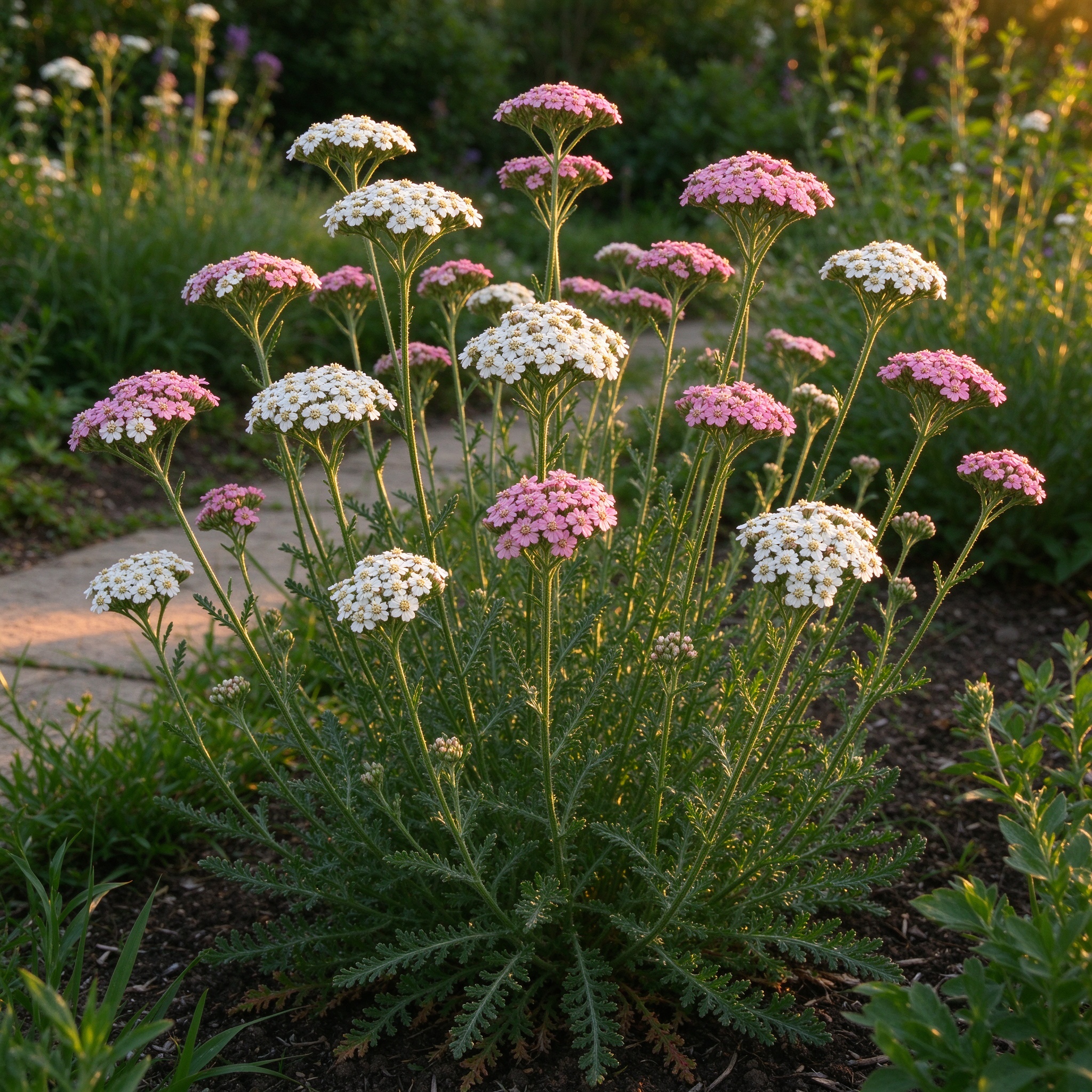
- •Yarrow is a tough, long-lived, drought-tolerant perennial that brings a wildflower charm to sunny borders, meadows, and pollinator gardens.
- •Its flat-topped clusters of small flowers in white, yellow, pink, red, or coral sit atop ferny, feathery, aromatic foliage that remains attractive through the season.
- •Native to temperate regions of North America, Europe, and Asia, yarrow is one of the most adaptable perennials: it thrives in poor, dry, rocky soil where many plants fail, resists deer and rabbits, and needs almost no care once established.
- •The flowers bloom from early summer into autumn and are magnets for bees, butterflies, and other beneficial insects.
- •Yarrow is also a celebrated medicinal herb, used for centuries to stop bleeding and soothe wounds, and its dried flowers and foliage are staples of cut and dried flower arrangements.
- •Because it spreads readily by seed and creeping roots, gardeners prize it for erosion control and naturalized plantings, while choosing named cultivars to keep it tidy in formal beds.
📋 Quick Facts
Scientific Name: Achillea millefolium
Family: Asteraceae
Category: Flower
USDA Zones: Hardy perennial, USDA zones 3–9.
Light:
- •Yarrow demands full sun for the best flowering and the most compact, sturdy growth — at least six hours of direct sunlight daily.
- •In full sun, plants produce abundant blooms, strong upright stems, and dense, aromatic foliage.
- •In too much shade, yarrow grows leggy, flops over, blooms poorly, and is more susceptible to powdery mildew.
- •Yarrow tolerates light afternoon shade only in very hot, dry climates, where it can prevent midday scorch.
- •Plant away from tall trees and tall dense shrubs that will shade the crown.
- •Because yarrow is extremely drought-tolerant, full sun rarely stresses it, and the brightest spots produce the most floriferous, healthiest plants.
Water:
- •Yarrow is famously drought-tolerant and, once established, needs little supplemental water.
- •Water young plants regularly during their first growing season to build a deep root system, then allow the top few inches of soil to dry between waterings.
- •Established yarrow thrives with deep, infrequent watering — a good soaking every one to two weeks during prolonged dry spells is usually enough — and will tolerate periods of drought once rooted.
- •Overwatering and wet, poorly drained soil are the most common causes of failure, leading to root rot, crown rot, and floppy, disease-prone growth.
- •Water at the base rather than overhead to keep the ferny foliage dry and to prevent fungal problems.
- •In containers, check moisture more often, as potted yarrow dries out faster than ground plants.
Temperature:
- •Yarrow is a hardy perennial suited to USDA zones 3 through 9, surviving cold winters and hot, dry summers with ease.
- •It thrives in daytime temperatures from 65 to 85°F (18 to 29°C) and tolerates both mild frost and heat well above 90°F once established.
- •Yarrow is one of the most heat- and drought-tolerant garden perennials, performing best in hot, sunny, low-humidity conditions.
- •In very humid climates, provide full sun and good air circulation to reduce powdery mildew and botrytis.
- •Yarrow is cold-hardy down to about -30°F in the coldest zones and dies back to the ground in winter, resprouting from the crown in spring.
- •Extreme summer heat with reflected glare can scorch foliage, but the plant recovers readily when conditions moderate.
Soil:
- •Yarrow is undemanding about soil and actually flowers best in lean, well-drained conditions.
- •It thrives in poor to moderately fertile sandy, loamy, or gravelly soil with a pH of 6.0 to 7.5, and it tolerates alkaline soil better than most perennials.
- •Rich, heavily fertilized soil produces lush, floppy growth with fewer, weaker flowers, so avoid over-amending the bed.
- •The critical requirement is sharp drainage: yarrow rots in heavy clay that stays wet, so in clay soil amend generously with coarse sand, grit, or compost, or plant in a raised bed.
- •Space plants 1 to 2 feet apart for good air circulation.
- •Because yarrow spreads by creeping roots and self-seeds readily, give it room or choose clumping cultivars for tidy beds.
Harvest:
- •Harvest yarrow flowers for fresh or dried use when the flower clusters are fully open but still brightly colored, cutting stems in the morning after dew has dried.
- •For dried arrangements, cut the stems when the flowers are at peak color and hang them upside down in small bunches in a dark, dry, well-ventilated space for one to three weeks.
- •Yarrow flowers retain their color well when dried and last for months in arrangements.
- •For fresh bouquets, strip the lower leaves and condition stems in water for several hours.
- •If growing yarrow for medicinal tea or salve, harvest the flower heads and upper foliage at full bloom, when the volatile oils are most concentrated, and dry them quickly away from direct sunlight.
Common Problems:
- •Yarrow is low-maintenance but can face a few issues: powdery mildew on foliage in humid, shaded, or crowded conditions; botrytis blight in wet springs; leggy, floppy growth and reduced bloom from too much shade or over-fertilization; root and crown rot in poorly drained, waterlogged soil; aggressive self-seeding and spreading that can crowd neighboring plants; and occasional aphids on new shoots.
- •Deer and rabbits generally avoid yarrow, making it a reliable choice for problem gardens.
⚠️ Pet Safety Warning
This plant is toxic to both cats and dogs.
- •The ASPCA lists yarrow (Achillea millefolium) as toxic to cats, dogs, and horses.
- •The plant contains achilleine and other compounds that can cause digestive upset — vomiting and diarrhea — if eaten in quantity.
- •Contact dermatitis has also been reported in sensitive individuals handling the plant.
- •The toxicity is generally mild, but keep pets from chewing on the foliage and contact a veterinarian if significant ingestion occurs.
📅 When to Plant
- •Plant yarrow in spring after the last frost, or in early autumn in mild climates, so roots establish before heat or cold extremes.
- •Spring planting is the most common and gives the plant a full season to settle.
- •Yarrow grows readily from seed, sown directly outdoors in early spring after the last frost, or started indoors 6 to 8 weeks before the last frost and transplanted when seedlings are several inches tall.
- •Choose a site with full sun and well-drained soil; yarrow tolerates poor, sandy, or rocky ground and does not need rich beds.
- •Space plants 1 to 2 feet apart, or closer for a dense ground cover.
- •Bare-root and potted plants transplant easily, and divisions from existing clumps establish quickly in early spring or fall.
🌱 Growing Stages
 1
Germination and seedling growth
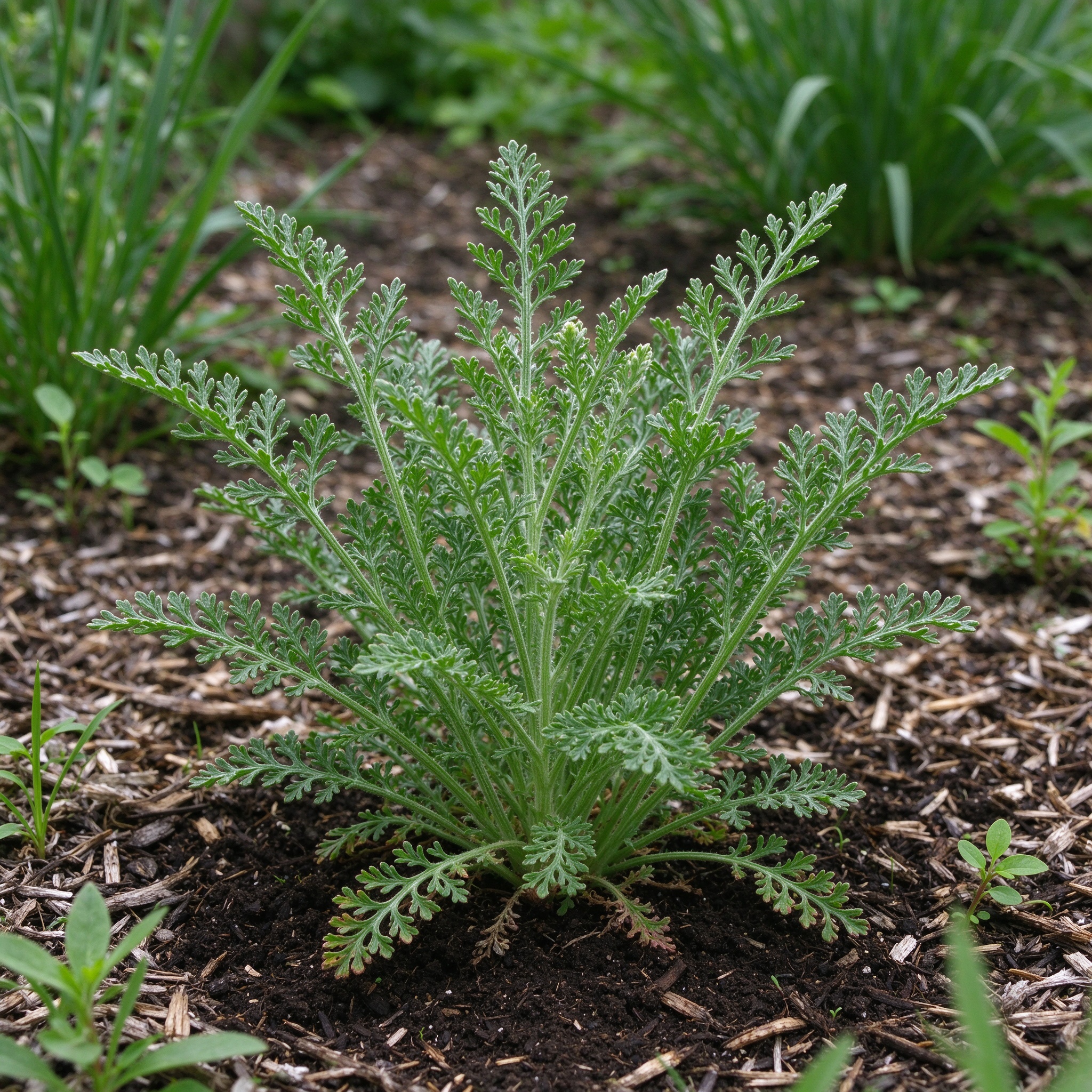
(Spring, 14–30 days to germinate, 6–8 weeks to transplant size)- •Yarrow seeds germinate in 14 to 30 days at 65 to 70°F, with seedlings appearing as a fine, ferny rosette.
- •Keep the soil lightly moist until the true leaves form, then let it dry slightly between waterings.
- •Hardened-off seedlings transplant easily once they are several inches tall.
- •Plants may begin to flower in their first year, but bloom is fuller from the second season onward.
 2
Vegetative growth and rosette
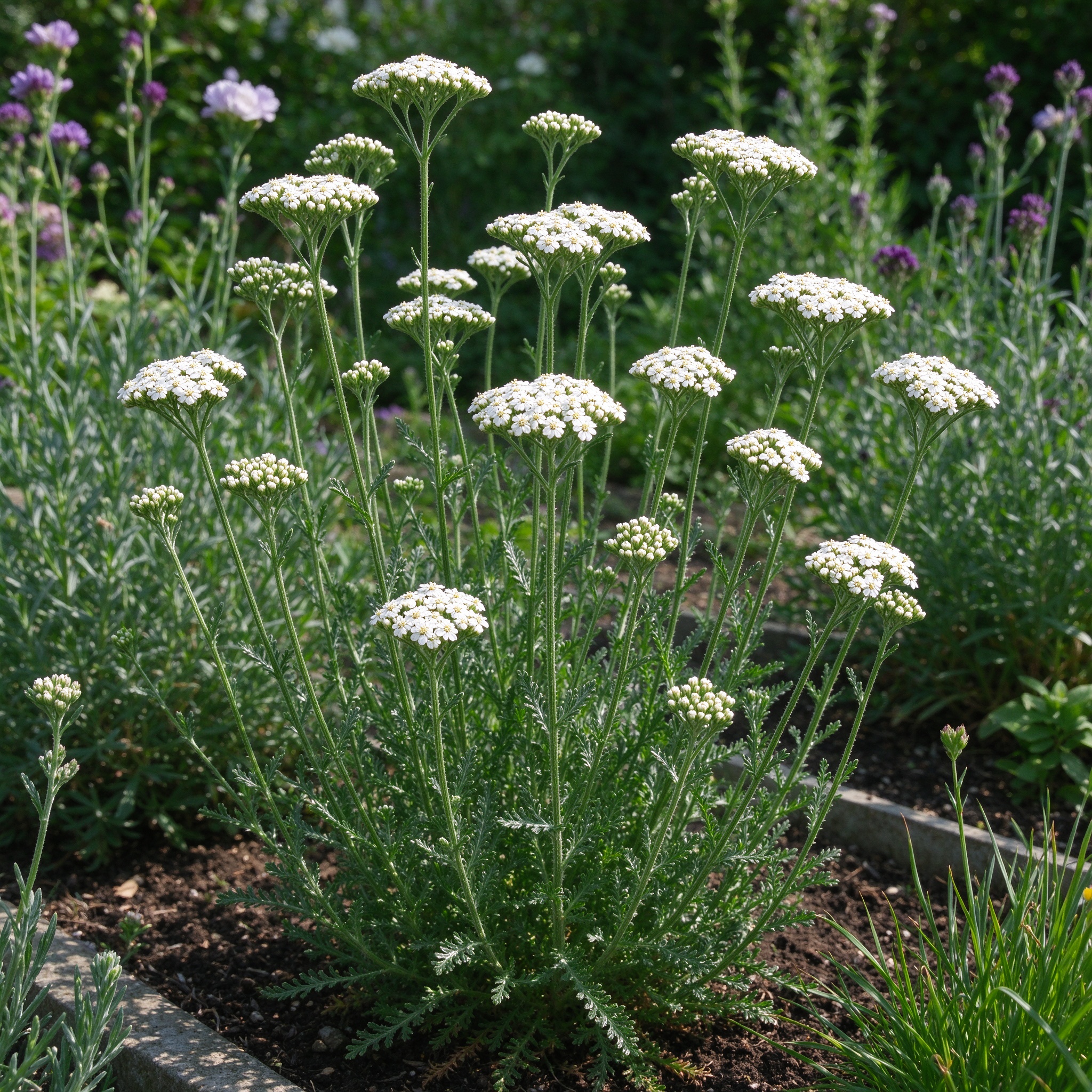
(Late spring, 4–8 weeks)- •The ferny, aromatic foliage forms a spreading rosette and low mound, sending up increasingly tall flowering stems.
- •Pinch young plants once or twice when a few inches tall to encourage a bushier, more floriferous plant.
- •Keep the bed weed-free early in the season so the young plants establish without competition.
 3
Bloom
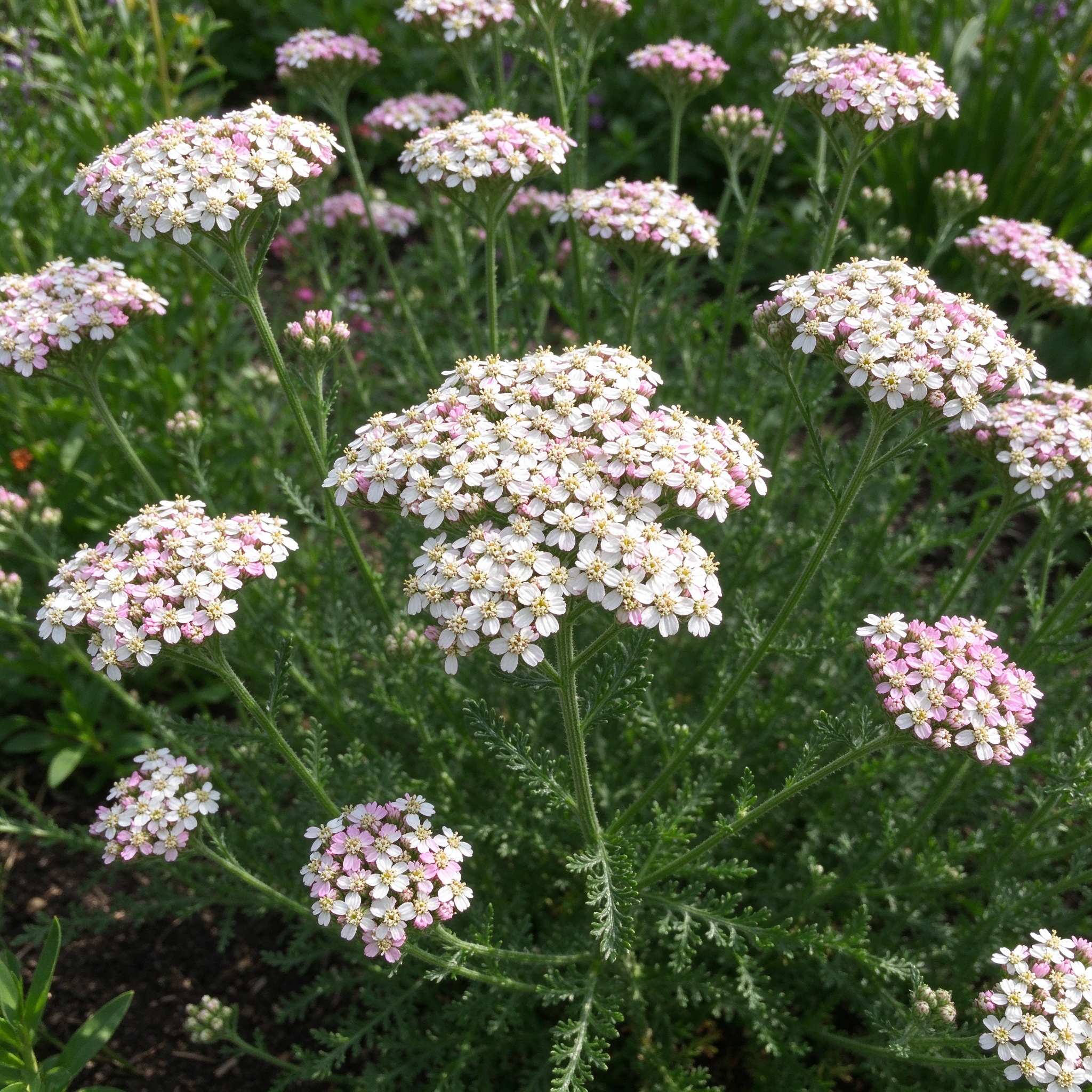
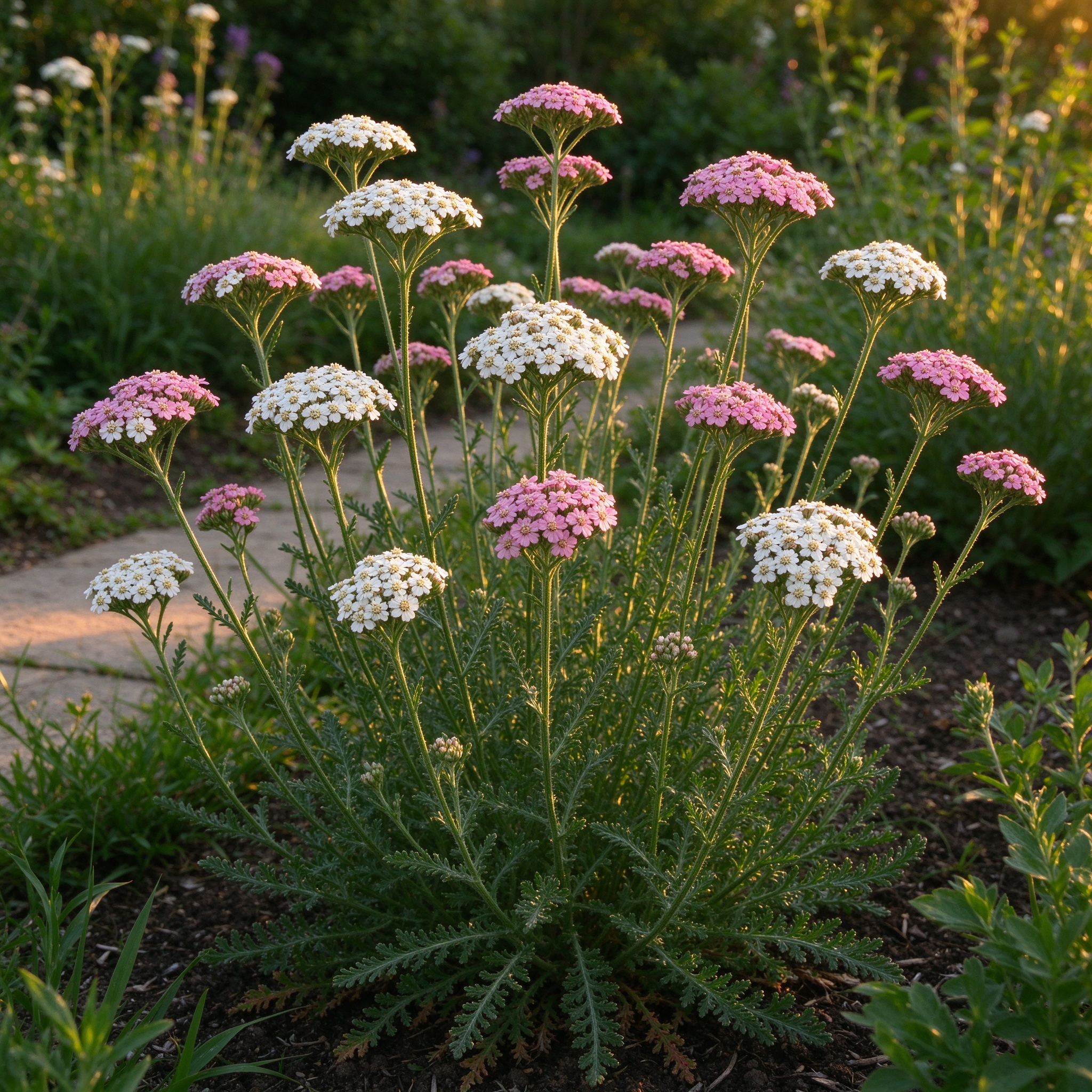
(Early summer through early autumn)- •Flat-topped clusters of small flowers open from early summer and, with regular deadheading, continue into early autumn.
- •The blooms attract bees, butterflies, and beneficial insects. Colors range from white and yellow to pink, red, and coral depending on cultivar.
- •Each flower cluster lasts for weeks, and the plant rewards consistent deadheading with repeated flushes.
 4
Dormancy
(Late fall to early spring)- •After the first hard frost, the foliage dies back to the ground and the crown rests through winter, resprouting in spring.
- •Yarrow is hardy and needs no winter protection in most zones.
- •Leave the dried flower stems and foliage in place through winter for interest and wildlife, then cut them back to the crown in early spring before new growth begins.
💧 Detailed Care Guide
☀️ Light Requirements
- •Yarrow demands full sun for the best flowering and the most compact, sturdy growth — at least six hours of direct sunlight daily.
- •In full sun, plants produce abundant blooms, strong upright stems, and dense, aromatic foliage.
- •In too much shade, yarrow grows leggy, flops over, blooms poorly, and is more susceptible to powdery mildew.
- •Yarrow tolerates light afternoon shade only in very hot, dry climates, where it can prevent midday scorch.
- •Plant away from tall trees and tall dense shrubs that will shade the crown.
- •Because yarrow is extremely drought-tolerant, full sun rarely stresses it, and the brightest spots produce the most floriferous, healthiest plants.
💧 Watering
- •Yarrow is famously drought-tolerant and, once established, needs little supplemental water.
- •Water young plants regularly during their first growing season to build a deep root system, then allow the top few inches of soil to dry between waterings.
- •Established yarrow thrives with deep, infrequent watering — a good soaking every one to two weeks during prolonged dry spells is usually enough — and will tolerate periods of drought once rooted.
- •Overwatering and wet, poorly drained soil are the most common causes of failure, leading to root rot, crown rot, and floppy, disease-prone growth.
- •Water at the base rather than overhead to keep the ferny foliage dry and to prevent fungal problems.
- •In containers, check moisture more often, as potted yarrow dries out faster than ground plants.
🌡️ Temperature
- •Yarrow is a hardy perennial suited to USDA zones 3 through 9, surviving cold winters and hot, dry summers with ease.
- •It thrives in daytime temperatures from 65 to 85°F (18 to 29°C) and tolerates both mild frost and heat well above 90°F once established.
- •Yarrow is one of the most heat- and drought-tolerant garden perennials, performing best in hot, sunny, low-humidity conditions.
- •In very humid climates, provide full sun and good air circulation to reduce powdery mildew and botrytis.
- •Yarrow is cold-hardy down to about -30°F in the coldest zones and dies back to the ground in winter, resprouting from the crown in spring.
- •Extreme summer heat with reflected glare can scorch foliage, but the plant recovers readily when conditions moderate.
🌱 Soil & Fertilizer
Soil:
- •Yarrow is undemanding about soil and actually flowers best in lean, well-drained conditions.
- •It thrives in poor to moderately fertile sandy, loamy, or gravelly soil with a pH of 6.0 to 7.5, and it tolerates alkaline soil better than most perennials.
- •Rich, heavily fertilized soil produces lush, floppy growth with fewer, weaker flowers, so avoid over-amending the bed.
- •The critical requirement is sharp drainage: yarrow rots in heavy clay that stays wet, so in clay soil amend generously with coarse sand, grit, or compost, or plant in a raised bed.
- •Space plants 1 to 2 feet apart for good air circulation.
- •Because yarrow spreads by creeping roots and self-seeds readily, give it room or choose clumping cultivars for tidy beds.
Fertilizer:
- •Yarrow needs little to no fertilizer and generally performs best in lean soil.
- •A single light application of compost or a low-nitrogen, slow-release fertilizer in early spring is plenty, or skip feeding entirely in moderately fertile soil.
- •Avoid high-nitrogen fertilizers, which produce tall, soft, floppy growth and reduce flowering.
- •In containers, a light feeding of balanced slow-release fertilizer in spring supports steady growth, as potted plants have limited soil reserves.
- •Yarrow grown in rich, heavily amended beds is more prone to disease and lodging, so err on the side of underfeeding.
- •Deadheading spent flowers encourages a second flush of bloom and keeps plants tidy.
📝 Step-by-Step Planting Guide
- 1
Choose a sunny, well-drained site
- •Select a spot with full sun (at least six hours daily) and sharp drainage.
- •Yarrow thrives in lean, sandy, or gravelly soil and tolerates poor ground where richer plants fail.
- •In heavy clay, amend the planting area with coarse sand, grit, or compost, or plant in a raised bed to prevent standing water.
- •Avoid rich, heavily fertilized beds, which produce floppy growth and fewer flowers.
- •Space plants 1 to 2 feet apart, or closer for a dense ground cover, allowing room for air circulation.
- 2
Sow seeds or plant transplants at the right time
- •Sow yarrow seeds directly outdoors in early spring after the last frost, pressing them lightly into the soil surface — they need light to germinate.
- •Alternatively, start seeds indoors 6 to 8 weeks before the last frost and harden off seedlings before transplanting.
- •Plant bare-root or potted yarrow in spring after frost, or in early fall in mild climates, setting the crown at soil level. Water in well.
- •Divisions from existing clumps transplant easily and establish quickly in early spring or autumn.
- 3
Water to establish, then let it dry
- •Water young yarrow regularly during the first growing season to build a deep, drought-resistant root system.
- •Once established, water deeply but infrequently — a thorough soaking every one to two weeks during dry spells — and let the top few inches of soil dry between waterings.
- •Yarrow strongly prefers dry conditions and rots in wet, waterlogged soil, so err on the side of under-watering.
- •Always water at the base rather than overhead to keep the ferny foliage dry and disease-free.
- 4
Deadhead to extend bloom and control seed
- •Remove spent flower clusters as they fade, cutting the stems back to the first set of leaves or the base of the plant.
- •Deadheading encourages a second flush of flowers, keeps the plant tidy, and reduces the heavy self-seeding that can make yarrow weedy.
- •In late summer, a light overall trim after the main flush keeps plants compact and encourages fresh basal foliage.
- •Leave some spent heads in place in late fall to provide winter interest and seed for birds, or cut them for dried arrangements.
- 5
Divide and control spread as needed
- •Yarrow spreads readily by creeping roots and can crowd its neighbors over time.
- •Divide established clumps every 3 to 5 years in early spring or fall to rejuvenate them and control their footprint, lifting the plant and cutting the rootball into sections with healthy shoots.
- •Edge aggressive cultivars with a barrier or grow them in contained beds. Remove self-sown seedlings where they are unwanted to keep the planting tidy.
- 6
Feed lightly or not at all
- •Yarrow grows best in lean soil and needs little to no fertilizer.
- •In early spring, a light application of compost or a low-nitrogen slow-release fertilizer is plenty, or skip feeding entirely in moderately fertile ground.
- •Avoid high-nitrogen fertilizers, which produce tall, soft, floppy growth and fewer flowers.
- •In containers, a light balanced feeding in spring supports steady growth. Overfeeding is the more common error — yarrow thrives on neglect.
🌱 Recommended Varieties
Tidy, well-behaved cultivars for borders
- •Named hybrids bred for compact, clumping habit and strong upright stems are ideal for formal beds and small gardens.
- •'Moonshine' is a classic with soft silver-gray foliage and clear lemon-yellow flowers on strong stems; 'Coronation Gold' offers bright golden-yellow blooms with a more robust habit; 'Paprika' shows vivid red flowers that fade to soft coral, on a compact plant.
- •These cultivars spread less aggressively than the species and bloom for a long season with regular deadheading.
Naturalized spreads for meadows and pollinator gardens
- •The straight species and native selections spread readily by seed and creeping roots, making them excellent for meadows, prairie plantings, and erosion control.
- •'Summer Berries' produces flowers in a mix of pink, red, and coral on a spreading plant; 'New Vintage Rose' offers a soft rose-pink on a more manageable habit.
- •These types self-seed freely and attract abundant bees, butterflies, and beneficial insects, blending beautifully into wildflower meadows.
Cool-toned favorites for cut flowers and dried arrangements
- •White and pale-flowered yarrows are prized for fresh and dried bouquets, where their flat clusters add airy texture.
- •'Belle Epoque' shows creamy pastel flowers in shades of pink, salmon, and cream on tall stems; 'Cerise Queen' offers deep rose-pink; the straight white species remains a favorite for cutting.
- •These cultivars have strong, upright stems that hold well in vases and dry beautifully, retaining their color for months.
🪴 Growing in Containers
- Choose a roomy, well-drained pot:
- •Yarrow grows well in containers if given sharp drainage and full sun.
- •Select a pot at least 12 to 14 inches wide and deep for a single plant, or larger for multiple plants, with several drainage holes.
- •Use a well-draining potting mix amended with coarse sand or grit to ensure water never pools at the roots.
- •A heavy pot made of terra cotta or glazed ceramic resists blowing over when the plant is tall with blooms.
- Plant at the right depth and water sparingly:
- •Set the yarrow crown at the same level as the soil surface in the pot, firming gently and watering in.
- •Allow the top inch or two of mix to dry between waterings, as container yarrow, like ground plants, dislikes wet feet.
- •Because pots dry out faster, check moisture more often in summer, watering deeply when the mix feels dry.
- •In winter, move containers to a sheltered spot to protect the roots from severe freeze-thaw cycles.
- Refresh soil and divide occasionally:
- •Each spring, scrape off the top inch or two of old mix and replace it with fresh potting mix amended with a little compost to replenish nutrients without disturbing the roots.
- •Yarrow can become root-bound over a few seasons; divide and repot every 2 to 3 years to keep it vigorous and control its spread in the container.
- •Deadhead spent flowers to prolong bloom and reduce self-seeding in the pot.
✂️ Pruning & Maintenance
- ✓
Deadhead spent flower clusters
- •Remove faded flower heads, cutting stems back to the first set of leaves or the base.
- •Deadheading promotes a second flush of blooms, keeps the plant neat, and curbs the heavy self-seeding that can make yarrow weedy in the garden.
- •Continue through the bloom season for the longest display.
- ✓
Trim lightly after the main bloom flush
- •In late summer, after the first flush of flowers fades, shear the whole plant back by about a third to encourage fresh, compact growth and a second round of blooms.
- •This keeps the plant from becoming floppy and renews the ferny foliage. Water lightly after trimming if the soil is dry.
- ✓
Cut back to the crown in early spring
- •Leave the dried stems and foliage in place through winter for texture and wildlife, then cut the plant back to the crown in early spring before new growth begins.
- •Removing the old growth improves air circulation and reduces disease pressure, and lets the fresh green shoots emerge cleanly.
🐛 Pest & Disease Control
Common Pests
Aphids
Symptoms: Clusters of small, soft-bodied insects gather on new shoots and flower buds, causing curled, distorted growth and leaving sticky honeydew on the foliage; ants may be attracted to the honeydew.Control:- •Knock colonies off with a strong jet of water and encourage natural predators such as lady beetles and lacewings.
- •In heavy infestations, apply insecticidal soap or horticultural oil, and avoid high-nitrogen fertilizer that promotes the soft new growth aphids prefer.
Spider mites
Symptoms: Fine stippling and bronzing on the leaves with a delicate webbing on the undersides, most common in hot, dry, dusty conditions; foliage may yellow and drop prematurely.Control:- •Mist the foliage periodically to raise humidity and knock mites down, and keep plants well watered to reduce stress.
- •Insecticidal soap or horticultural oil applied to the leaf undersides controls active colonies; repeat as needed.
- •Avoid broad-spectrum sprays that kill the predatory mites that regulate spider mites naturally.
Leafhoppers
Symptoms: Small, wedge-shaped insects hop from the plant when disturbed, feeding on sap and causing pale stippling, curled leaves, and sometimes leaf burn; they may spread disease.Control:- •Remove and dispose of heavily infested foliage and keep the area free of weeds that harbor the insects. Encourage beneficial predators.
- •Severe infestations respond to insecticidal soap applied thoroughly, repeated per label intervals.
Slugs and snails
Symptoms: Irregular holes and chewed edges on young leaves and shoots, with a slimy trail, most active in cool, damp weather and among mulched or sheltered beds.Control:- •Handpick in the evening and lay barriers such as copper tape or diatomaceous earth around the plants.
- •Remove debris and mulch that give slugs daytime shelter, and water in the morning rather than the evening.
- •In severe cases, a pet-safe slug bait applied per label reduces populations.
Common Diseases
Powdery mildew
Symptoms: A white, powdery coating spreads over the upper leaf surfaces and stems in humid, shaded, or crowded conditions; leaves may yellow, curl, and drop early, most often in late summer.Control:- •Grow yarrow in full sun with good air circulation, space plants properly, and water at the base to keep foliage dry.
- •Remove heavily infected leaves and improve airflow.
- •Organic sulfur or potassium-bicarbonate sprays at the first sign slow the spread, and resistant cultivars suffer less.
Botrytis blight (gray mold)
Symptoms: Flower clusters, buds, and stems turn brown, rot, and develop a fuzzy gray mold, most common in cool, wet springs with poor air circulation; affected growth collapses and dies.Control:- •Remove and destroy all infected flower heads, stems, and debris promptly.
- •Improve air circulation by spacing plants and thinning dense growth, and water at the base to keep foliage dry.
- •In persistent wet weather, apply a labeled fungicide at the first sign and repeat per label.
Root and crown rot
Symptoms: Plants wilt, yellow, and collapse despite moist conditions, with dark, mushy roots and crown tissue, usually in heavy, poorly drained, or overwatered soil.Control:- •Improve drainage by amending soil, planting in raised beds, or moving plants out of low-lying wet ground.
- •Reduce watering and let the soil dry between waterings.
- •Remove and destroy severely affected plants and avoid replanting yarrow in the same contaminated spot.
Rust
Symptoms: Orange or rusty-brown pustules develop on the undersides of leaves, with yellowing on the upper surfaces; infected foliage may drop prematurely in humid conditions.Control:- •Remove and dispose of infected leaves and improve air circulation by spacing plants and avoiding overhead watering.
- •In persistent cases, apply a labeled fungicide at the first sign. Keep the garden free of plant debris that harbors the rust spores.
🍅 When to Harvest
- •Harvest yarrow flowers for fresh or dried use when the flower clusters are fully open but still brightly colored, cutting stems in the morning after dew has dried.
- •For dried arrangements, cut the stems when the flowers are at peak color and hang them upside down in small bunches in a dark, dry, well-ventilated space for one to three weeks.
- •Yarrow flowers retain their color well when dried and last for months in arrangements.
- •For fresh bouquets, strip the lower leaves and condition stems in water for several hours.
- •If growing yarrow for medicinal tea or salve, harvest the flower heads and upper foliage at full bloom, when the volatile oils are most concentrated, and dry them quickly away from direct sunlight.
❓ Frequently Asked Questions
- 1
Is yarrow easy to grow?
- •Yes.
- •Yarrow is one of the easiest and toughest perennials for sunny, well-drained sites.
- •It thrives in poor, dry, rocky soil where many plants fail, is extremely drought-tolerant once established, and resists deer and rabbits.
- •Its main needs are full sun, sharp drainage, and minimal care — plant it, water it to establish, and let it flourish with almost no attention.
- 2
Does yarrow need full sun?
- •Yes.
- •Yarrow flowers best and grows most compactly in full sun — at least six hours of direct sunlight daily.
- •In too much shade it becomes leggy, flops over, blooms poorly, and is more prone to powdery mildew.
- •Only in very hot, dry climates can it tolerate light afternoon shade.
- 3
How do you grow yarrow from seed?
- •Sow yarrow seeds directly outdoors in early spring after the last frost, pressing them lightly into the soil surface — they need light to germinate.
- •Germination takes 14 to 30 days at 65 to 70°F. Keep the soil lightly moist until true leaves form, then let it dry slightly between waterings.
- •Alternatively, start seeds indoors 6 to 8 weeks before the last frost and transplant hardened-off seedlings after the danger of frost passes.
- 4
Is yarrow poisonous to pets?
- •Yes.
- •The ASPCA lists yarrow (Achillea millefolium) as toxic to cats, dogs, and horses.
- •The plant contains achilleine and related compounds that can cause digestive upset — vomiting and diarrhea — if eaten in quantity, and contact dermatitis has been reported in sensitive individuals.
- •The toxicity is generally mild, but keep pets from chewing the foliage and contact a veterinarian if significant ingestion occurs.
Source:
NC State Extension Gardener Plant Toolbox — Achillea millefolium (Yarrow) — https://plants.ces.ncsu.edu/images/plants/achillea-millefolium/
The Old Farmer's Almanac — Growing Yarrow — https://www.almanac.com/plant/yarrow
UF IFAS Gardening Solutions — Yarrow — https://gardeningsolutions.ifas.ufl.edu/images/plants/ornamentals/yarrow.html
ASPCA Toxic and Non-Toxic Plants — Yarrow — https://www.aspca.org/pet-care/animal-poison-control/toxic-and-non-toxic-plants/y
Photo credit: NC State Extension
Images courtesy of NC State Extension under CC BY license. Thank you to the photographers who make these educational images available.
License: CC BY-NC 2.0 / CC BY 4.0