
How to Grow Coriander (Cilantro): Complete Guide
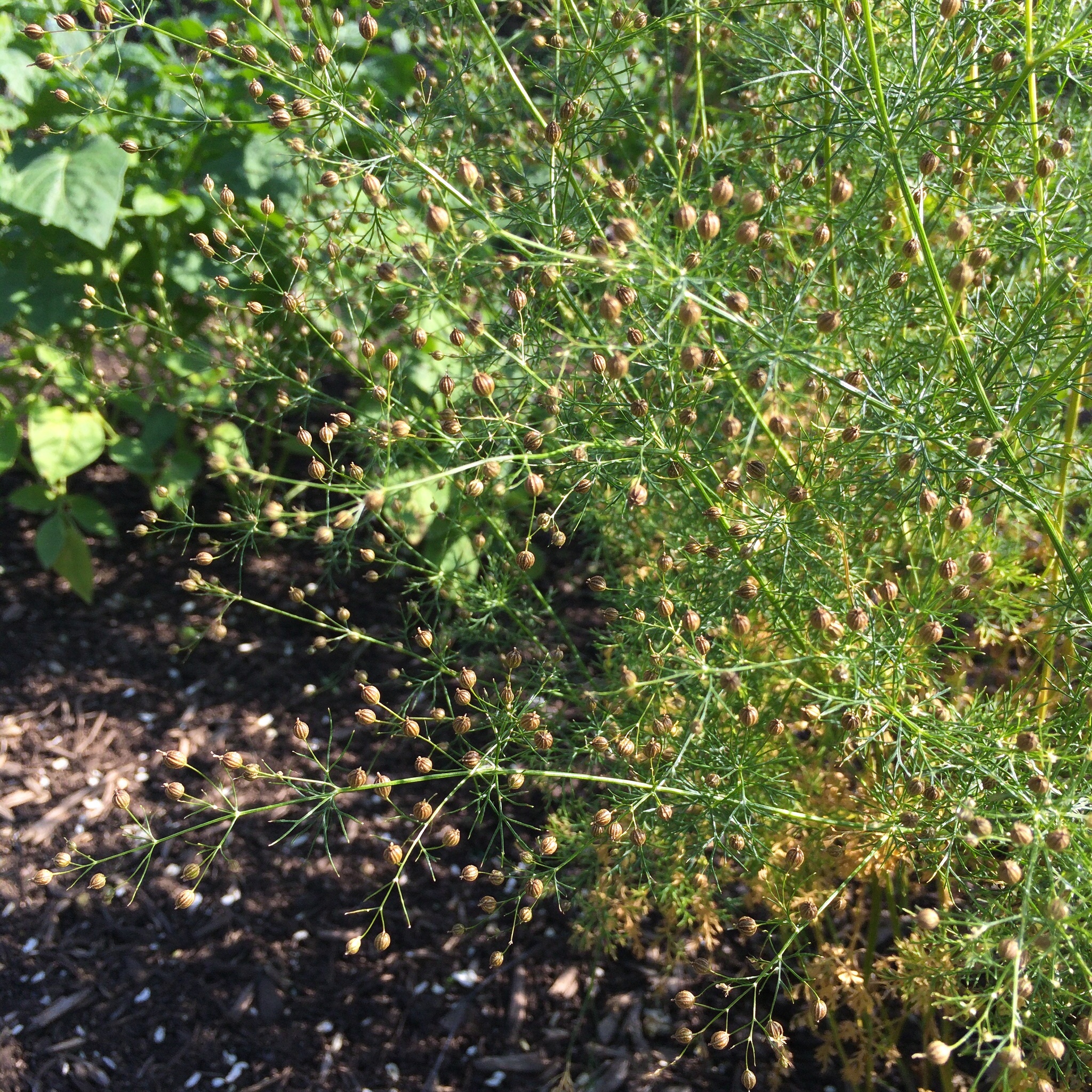
- •Coriander (Coriandrum sativum) is a fast-growing, cool-season annual in the carrot family (Apiaceae) whose two harvestable parts carry different names and flavors: the broad, lobed lower leaves are sold as cilantro, while the round, mature, tan-brown fruits are the spice called coriander seed.
- •Native to the western Mediterranean, southern Europe and western Asia, it thrives in spring and fall but bolts quickly as soon as weather warms and days lengthen.
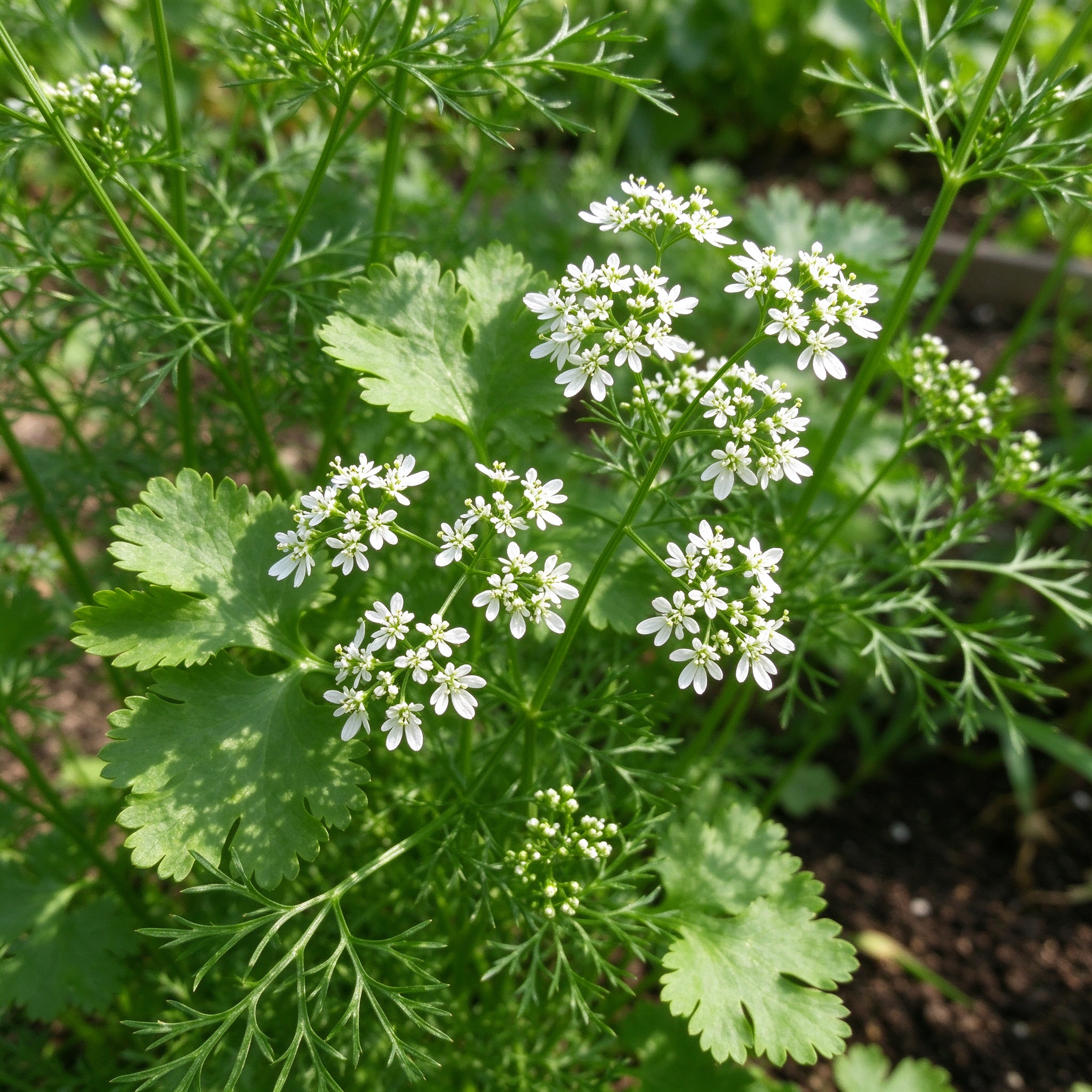
- •The lower leaves resemble flat-leaf parsley, with a bright citrusy-soap aroma that divides eaters, while the finely divided upper leaves look fernlike; small white to pale pink flowers open in flat umbels that support the swallowtail butterfly caterpillar and draw beneficial wasps.
- •After flowering, the plant sets clusters of round, ridged seeds that dry to a warm, nutty, orange-sweet spice used in curries, breads, pickling and ground spice blends.
- •Because cilantro leaves lose their character shortly after harvest and turn bitter once the plant bolts, gardeners usually grow a continuous succession of small sowings rather than a single large bed.
- •The whole plant—leaves, stems, flowers and seeds—is edible, and ASPCA lists it as non-toxic to cats, dogs and horses.
- •In warm southern gardens a fall sowing often lasts through winter until the next heat wave triggers flowering.
📋 Quick Facts
Scientific Name: Coriandrum sativum
Family: Apiaceae
Category: Herb
USDA Zones: 2–11 (cool-season annual; sown in spring and fall, not through summer heat)
Light:
- •Grow cilantro in full sun to light partial shade.
- •Six hours of morning sun with afternoon shade is ideal in warm climates, because light shade delays bolting during warm spells.
- •Deep shade produces weak, sprawling plants with sparse, weak-flavored leaves and offers no delay to bolting.
Water:
- •Keep the soil medium-moist and well drained; water evenly whenever the top half-inch dries, about an inch per week.
- •Cilantro does not like standing water, but drought stress triggers early bolting and tough, bitter leaves, so do not let the bed dry out completely between waterings.
- •Water at the base in the morning rather than over the foliage, and mulch lightly to keep roots cool and even out moisture.
Temperature:
- •Coriander prefers cool weather between 50 and 85°F (10 to 29°C) and germinates best at 55 to 70°F (13 to 21°C).
- •Warm temperatures above about 75°F (24°C), combined with long days, push the plant to flower and bolt within weeks; leaves then turn bitter and flavor changes abruptly.
- •It tolerates light frost but is damaged by hard freezes, so protect fall plants with row covers where winter cold arrives early.
- •In the South, plant in autumn for a cool-season crop that overwinters until spring heat returns.
Soil:
- •Plant cilantro in light, loose, well-drained loam with a pH around 6.2 to 6.8 and moderate organic matter.
- •Heavy, wet soil causes root rot and damping-off, while extremely poor sandy ground dries too fast and promotes bolting.
- •Work a little compost into the bed before sowing; cilantro is a shallow-rooted annual that performs well in raised beds and containers filled with a fluffy, moisture-retentive mix.
Harvest:
- •Begin picking cilantro when plants reach 6 to 8 inches tall.
- •Cut individual outer leaves from the crown, removing leaves 1.5 to 2 inches above the center so new shoots keep growing; the whole plant may also be pulled at once, but that ends future harvests.
- •In southern regions cut outer leaves regularly through fall and winter until the heat triggers a flower stalk.
- •For coriander seed, let selected plants bolt and flower; cut the seed heads once the pods begin to turn brown, place them in a paper bag and hang until dry, when the mature seeds fall free for storage in sealed jars.
Common Problems: Premature bolting, Bacterial leaf spot, Aphids, Whiteflies, Spider mites, Powdery mildew, Damping-off.
📅 When to Plant
- •Sow coriander directly in the garden in spring after the last frost date, or again in fall; avoid a summer planting, because heat makes the plants bolt and set seed before useful leaves develop.
- •For a steady cilantro supply, sow small batches every two to three weeks through the cool season.
- •Scratch seeds 1/4 to 1/2 inch deep in light, well-drained soil, spacing them about 1 to 2 inches apart in rows roughly 12 inches apart; germination occurs between 55 and 70°F (13 to 21°C) in 7 to 14 days.
- •The round fruit naturally splits into two seed halves; crushing or cracking it gently before sowing breaks the hard coat and speeds sprouting.
- •Keep the seedbed moist until seedlings appear, then thin to about 6 to 8 inches apart so mature plants have air circulation.
- •Cilantro transplants poorly, so direct sowing or biodegradable peat pots are preferred.
🌱 Growing Stages
 1
Germination
(7 to 14 days at 55–70°F)- •Cracked or whole round seeds sprout in 7 to 14 days in soil held at 55 to 70°F (13 to 21°C), pushing slender cotyledons through light, moist soil.
- •A hard, intact coat and cold soil delay sprouting, so cracked seed and even moisture give the fastest, most even stand.
- •Avoid deep sowing and waterlogging during this fragile emergence period.
 2
Seedling and leaf rosette
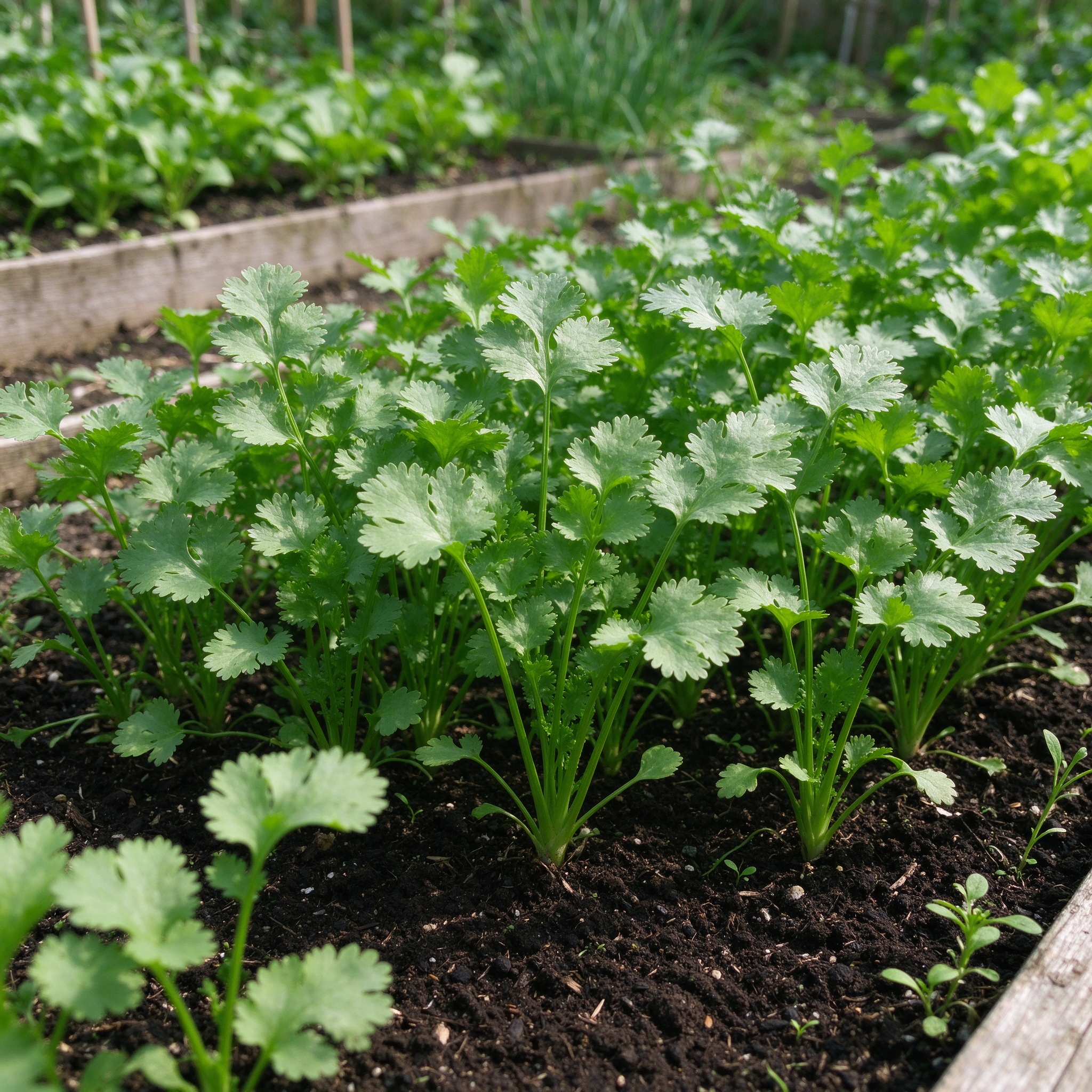
(First 4 to 6 weeks)- •The plant develops broad, lobed lower cilantro leaves and a short crown; spacing and cool, even moisture keep the rosette compact and aromatic.
- •This is the main harvest window for fresh cilantro.
- •Crowding, dry soil or warm weather at this point speed the transition to flowering and shorten the leaf harvest.
 3
Bolting and flowering
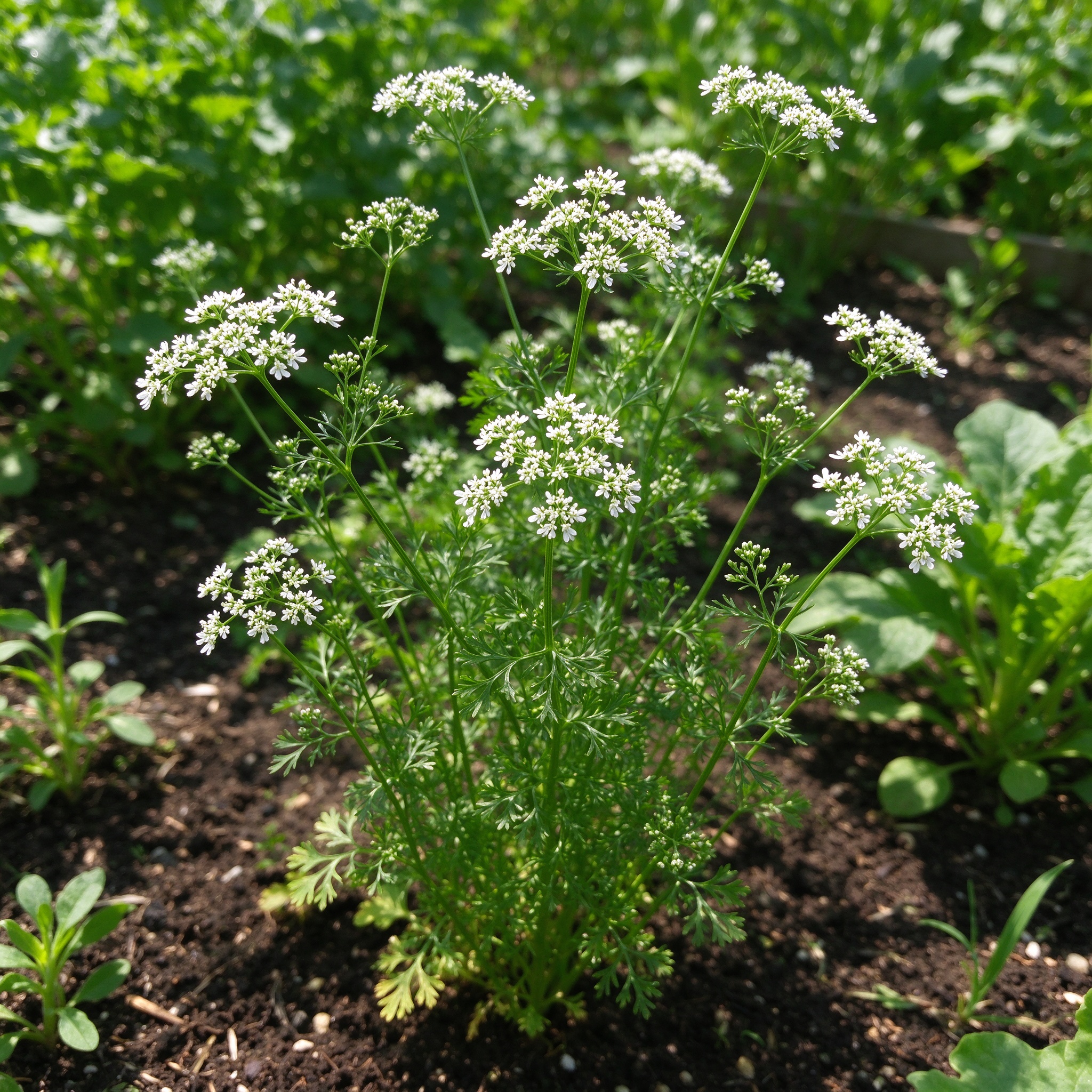
(Several weeks in warm weather)- •Long days and warm temperatures trigger a tall, branching flower stalk with finely divided ferny upper leaves and flat white or pink-tinged umbels.
- •Leaf flavor turns bitter as the plant shifts energy to bloom; flowers draw pollinators and swallowtail butterflies before small green seed pods form below the umbels.
 4
Seed maturation
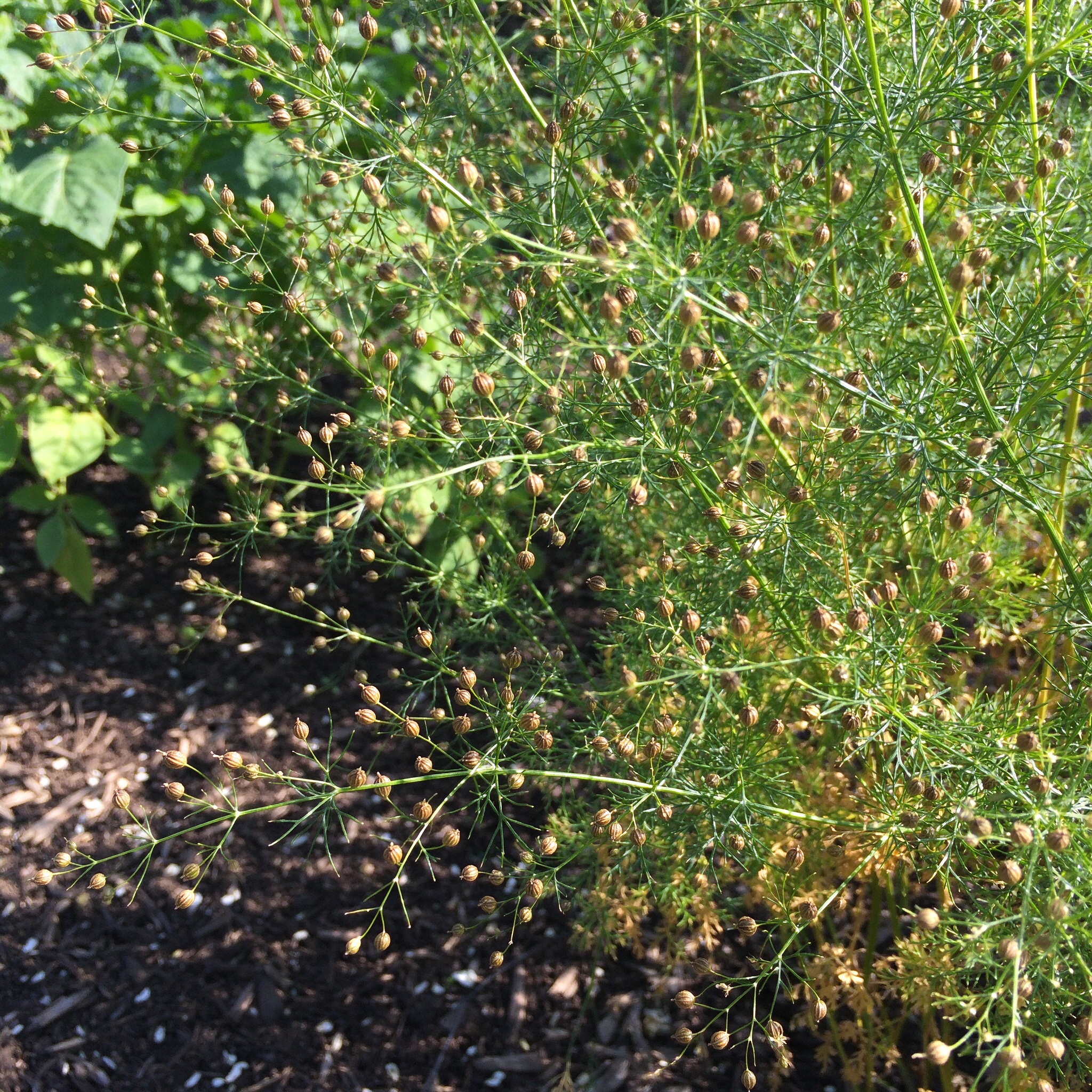
(4 to 6 weeks after flowering)- •Round green pods swell and ripen into tan-brown, ridged coriander seeds that harden on the stalk.
- •Harvest before pods shatter and drop their seed to the ground; once dried and threshed, whole coriander keeps its warm, nutty aroma in storage.
- •The annual plant dies after seed ripens, having completed its short life cycle.
💧 Detailed Care Guide
☀️ Light Requirements
- •Grow cilantro in full sun to light partial shade.
- •Six hours of morning sun with afternoon shade is ideal in warm climates, because light shade delays bolting during warm spells.
- •Deep shade produces weak, sprawling plants with sparse, weak-flavored leaves and offers no delay to bolting.
💧 Watering
- •Keep the soil medium-moist and well drained; water evenly whenever the top half-inch dries, about an inch per week.
- •Cilantro does not like standing water, but drought stress triggers early bolting and tough, bitter leaves, so do not let the bed dry out completely between waterings.
- •Water at the base in the morning rather than over the foliage, and mulch lightly to keep roots cool and even out moisture.
🌡️ Temperature
- •Coriander prefers cool weather between 50 and 85°F (10 to 29°C) and germinates best at 55 to 70°F (13 to 21°C).
- •Warm temperatures above about 75°F (24°C), combined with long days, push the plant to flower and bolt within weeks; leaves then turn bitter and flavor changes abruptly.
- •It tolerates light frost but is damaged by hard freezes, so protect fall plants with row covers where winter cold arrives early.
- •In the South, plant in autumn for a cool-season crop that overwinters until spring heat returns.
🌱 Soil & Fertilizer
Soil:
- •Plant cilantro in light, loose, well-drained loam with a pH around 6.2 to 6.8 and moderate organic matter.
- •Heavy, wet soil causes root rot and damping-off, while extremely poor sandy ground dries too fast and promotes bolting.
- •Work a little compost into the bed before sowing; cilantro is a shallow-rooted annual that performs well in raised beds and containers filled with a fluffy, moisture-retentive mix.
Fertilizer:
- •Cilantro is a light feeder that needs little fertilizer beyond compost mixed into the soil at planting.
- •Too much nitrogen produces large, pale leaves with a weaker aroma and faster leggy growth.
- •If foliage looks pale mid-season, side-dress lightly with aged compost or a diluted balanced liquid feed rather than a heavy dose.
- •For plants grown to produce coriander seed, steady fertility through flowering supports pod set, but high feeding before bolting mainly favors leaves over the spice crop.
📝 Step-by-Step Planting Guide
- 1
Prepare a light, well-drained cool-season bed
- •Choose a site with morning sun and light afternoon shade in warm climates, and loosen the soil into a light, crumbly loam with pH 6.2 to 6.8, mixing in a modest amount of compost.
- •Remove stones and compaction so the shallow root spreads easily.
- •Avoid heavy clay that stays wet after rain, and amend sandy soil with organic matter so it holds even moisture.
- •A raised bed or large container suits cilantro well, since drainage and root coolness matter more than deep soil.
- 2
Sow cracked seeds in successive small batches
- •Crack or gently crush the round coriander fruits before sowing to break the hard coat and speed germination.
- •In spring after the last frost and again in fall, sow seeds 1/4 to 1/2 inch deep, 1 to 2 inches apart, in rows about 12 inches apart, keeping the soil at 55 to 70°F.
- •Plant a small batch every two to three weeks so a new cilantro supply follows the previous one as it bolts.
- •Do not cover seed deeply; a light dusting of mix is enough, and keep the surface moist for the 7 to 14 day germination window.
- 3
Thin seedlings and keep even moisture
- •When seedlings develop their first true leaves, thin them to 6 to 8 inches apart so air circulates between plants and they do not compete for moisture.
- •Water evenly whenever the top half-inch of soil dries, keeping roots cool and consistent to slow bolting.
- •Add a thin organic mulch around seedlings to retain moisture and protect the shallow root zone. Pull weeds by hand before they shade the small plants.
- 4
Harvest leaves regularly and delay bolting
- •Once plants are 6 to 8 inches tall, cut outer leaves 1.5 to 2 inches above the crown so the center keeps producing.
- •Regular picking prevents a crowded canopy and encourages fresh leafy growth.
- •If a plant sends up a slender flower stalk, cut it back to delay flowering for a short extra leaf harvest, recognizing that heat or long days will eventually force bolting regardless.
- •Keep successive sowings coming so one mature batch does not leave the garden without cilantro.
- 5
Let selected plants bolt and save coriander seed
- •Reserve a few plants for spice rather than leaf harvest; these will flower in white umbels and set round seed pods as temperatures rise.
- •When pods begin to turn brown, cut the seed heads before they split and scatter, place them in a paper bag, and hang in a warm dry spot until the dry coriander fruits fall free.
- •Thresh the pods open, winnow chaff, and store the whole seeds in a sealed jar away from heat and light for the next season's planting and kitchen use.
🌱 Recommended Varieties
'Santo' cilantro
- •The standard slow-bolting cilantro, producing broad, flat, flavorful leaves over a long cool-season window before flowering.
- •Upright growth and sturdy stems make it easy to harvest, and it remains a favorite for salsa, curries and fresh garnish in home gardens and market plantings.
'Calypso' cilantro
- •An open-pollinated, slow-bolting variety bred for broad leaves and high yields under spring and fall conditions.
- •Its upright habit resists lodging and produces a generous leaf canopy that delays flowering longer than ordinary types, useful where spring warmth arrives early.
'Moroccan' coriander
- •Selected for round, aromatic spice seeds rather than leaf yield, this open-pollinated strain produces reliably round coriander fruits used in curries, breads, pickling and grinding.
- •Grow it through a full cool-to-warm cycle and harvest the dried pods once brown for both the kitchen spice and next season's planting.
🪴 Growing in Containers
- Grow a wide, shallow pot of fresh cilantro:
- •Cilantro's shallow root fits a wide, 8 to 10 inch deep pot filled with fluffy, compost-amended potting mix and good drainage.
- •Sow a small patch directly in the pot rather than transplanting seedlings, and place it in morning sun with light afternoon shade.
- •Because container soil heats fast on warm days, move pots into shade during heat spells to hold back bolting.
- Use a succession of small pots:
- •Grow two or three small pots on a rotating schedule: sow one every few weeks so a fresh, leafy pot follows the previous one as it bolts.
- •Keep the mix evenly moist, feed with a half-strength balanced liquid fertilizer only if foliage pales, and pinch outer leaves regularly to keep each pot productive for its short cool-season window.
✂️ Pruning & Maintenance
- ✓
Harvest outer leaves to keep plants leafy
- •There is no real shaping prune; regular leaf picking is the maintenance.
- •Snip mature outer leaves 1.5 to 2 inches above the crown, leaving the central bud to push new growth.
- •This keeps the plant open, reduces a crowded canopy and extends the fresh leaf supply through the cool season.
- ✓
Remove flower stalks to delay bolting
- •When a stalk rises from the center of a leafy plant, cut it back to the crown to buy a short extra period of leaf production.
- •Once heat and long days dominate, cutting the stalk will not stop eventual bolting; reserve those plants to flower and set coriander seed instead of forcing another leaf crop.
🐛 Pest & Disease Control
Common Pests
Aphids
Symptoms:- •Soft green or gray colonies cluster on new shoots and leaf undersides, curling young leaves and coating foliage with sticky honeydew that feeds sooty mold.
- •Heavy infestations stunt small cilantro plants before they reach harvest size.
Control:- •Rinse aphids off with a strong morning water jet, then apply insecticidal soap to leaf undersides.
- •Encourage ladybugs and parasitic wasps, which the cilantro flowers later attract, and keep weeds away from the herb bed; avoid broad insecticides that kill beneficial insects.
Whiteflies
Symptoms: Tiny white insects flutter from foliage when disturbed, feeding on the underside of leaves and causing yellowing, sticky honeydew and weakened growth, most often on plants under glass or in sheltered warm beds.Control:- •Hang yellow sticky traps just above the canopy, rinse adults off with water, and apply insecticidal soap or horticultural oil to undersides on a shaded day.
- •Space plants for airflow and remove heavily infested leaves to keep populations from spreading.
Spider mites
Symptoms:- •Fine pale stippling appears across upper leaves, later turning bronzed and dry, with faint webbing visible on stems and undersides in hot, dry, dusty conditions.
- •Mites weaken the plant during warm spells that also trigger bolting.
Control:- •Increase humidity by misting and washing foliage, and avoid dust buildup around plants.
- •Apply horticultural oil or insecticidal soap at the first stippling, targeting undersides, and remove badly infested leaves; predatory mites help control outbreaks in open gardens.
Swallowtail caterpillar (parsley worm)
Symptoms: Large striped green caterpillars chew cilantro stems and leaves, occasionally defoliating a flowering plant; they are the larvae of the black swallowtail butterfly, which uses Apiaceae herbs as a host plant.Control:- •On a small herb planting, handpick and relocate the caterpillars to wild carrot or dill rather than killing them if butterfly support matters.
- •If leaves are needed urgently, cover young plants with fine netting before butterflies lay eggs; biological Bt products target caterpillars but should be used sparingly around beneficial insects.
Common Diseases
Bacterial leaf spot
Symptoms:- •Water-soaked lesions on foliage develop into tan or brown, sometimes black, spots limited by leaf veins so they look angular or square; spots dry to a papery texture and merge to kill patches of leaf.
- •Spread by splashing water and infected seed.
Control:- •Use clean seed, water at the base in the morning rather than overhead, and space plants for airflow.
- •Remove and destroy spotted leaves promptly, avoid working among wet plants, and rotate cilantro away from parsley and other Apiaceae hosts.
Powdery mildew
Symptoms: Small white powdery colonies spread over leaves and stems in humid, dense canopy conditions; leaves twist, yellow and die back, weakening the plant before leaf or seed harvest.Control: Thin plants to let air circulate and avoid overcrowding under shelter; apply sulfur or potassium-bicarbonate spray at the first white patches, and choose open sites with morning sun that dries leaf surfaces after dew.Damping-off and root rot
Symptoms: Seedlings collapse at the soil line in cold, wet, dense soil, while older plants yellow and stunt in waterlogged pots or beds, caused by soil fungi and oomycetes in poorly drained conditions.Control:- •Sow in loose, well-drained mix, avoid overwatering and deep sowing, and keep seedbeds airy.
- •Use fresh potting mix for containers and improve raised-bed drainage; remove collapsed seedlings before the disease spreads to neighboring plants.
Alternaria leaf spot
Symptoms: Water-soaked round to oval lesions appear on leaf blades, later turning tan to brown sometimes with a pale center; lesions visible from both sides and merge to kill leaves as disease pressure rises in warm, wet weather.Control:- •Rotate out of related herbs, remove infected leaf debris at season's end, and water at the base to keep foliage dry.
- •Apply a copper fungicide at the first lesions in repeated wet seasons and maintain open spacing for fast drying after rain.
🍅 When to Harvest
- •Begin picking cilantro when plants reach 6 to 8 inches tall.
- •Cut individual outer leaves from the crown, removing leaves 1.5 to 2 inches above the center so new shoots keep growing; the whole plant may also be pulled at once, but that ends future harvests.
- •In southern regions cut outer leaves regularly through fall and winter until the heat triggers a flower stalk.
- •For coriander seed, let selected plants bolt and flower; cut the seed heads once the pods begin to turn brown, place them in a paper bag and hang until dry, when the mature seeds fall free for storage in sealed jars.
❓ Frequently Asked Questions
- 1
How to grow coriander from seeds?
- •Coriander, grown for cilantro leaves, is direct-sown after the last frost in spring or in fall; it does not perform through summer heat.
- •Crack or gently crush the round seeds to break the hard coat, then sow them 1/4 to 1/2 inch deep, 1 to 2 inches apart, in rows about 12 inches apart, in soil kept between 55 and 70°F (13 to 21°C).
- •Germination takes 7 to 14 days; keep the seedbed moist and thin seedlings to 6 to 8 inches apart.
- •Sow a small batch every two to three weeks so one bolting plant does not end your cilantro supply.
- •The plant needs morning sun, light afternoon shade, even moisture and loose, well-drained soil with pH 6.2 to 6.8.
- 2
How to save coriander seeds?
- •Let a few plants flower rather than picking their leaves; warm weather and long days make the plant bolt, and white umbels form round green pods that ripen to tan-brown coriander seeds.
- •Cut the seed heads when they begin to brown, before they split and shatter, place them in a paper bag and hang in a warm, dry, ventilated spot.
- •Once fully dry the pods split and drop the seeds free; thresh by rubbing the heads, winnow away chaff, and store the whole seeds in a sealed jar away from heat and light.
- •Open-pollinated coriander grows true from saved seed; keep different herb plantings isolated if you want pure seed and do not save seed from purchased hybrid cilantro.
- 3
What is the difference between cilantro and coriander?
- •They are the same plant, Coriandrum sativum: cilantro is the fresh broad leaf and stem used in salsas, Asian and Latin American cooking, while coriander is the dried mature round seed used whole or ground as a warm, nutty spice in curries, breads and pickling.
- •The leaves have a bright citrusy aroma people either love or dislike; the seeds smell and taste quite different, sweetly orange-like and warm.
- •A garden planting can supply both: pick leaves in the cool spring or fall and let later plants bolt for the spice crop.
- 4
Why does my cilantro keep bolting?
- •Cilantro bolts because warm weather above about 75°F (24°C) and long summer days trigger the plant to switch from leaves to flowers and seed.
- •Drought stress and crowding speed the process.
- •Delay bolting by sowing in spring and fall rather than summer, giving plants afternoon shade, keeping soil evenly moist, thinning to 6 to 8 inches, and using slow-bolt varieties such as 'Santo' and 'Calypso' with successive sowings.
- •Once a stalk appears, leaves turn bitter; let the plant finish and save the coriander seed.
- 5
Is cilantro toxic to cats and dogs?
- •No.
- •ASPCA lists cilantro / coriander (Coriandrum sativum) as non-toxic to dogs, cats and horses, so leaves and seed are safe around pets.
- •As with any fresh herb, very large quantities can cause mild stomach upset in sensitive animals, so it should be offered in moderation rather than as a main food.
- 6
Can cilantro be grown indoors?
- •Yes, on a bright windowsill with at least six hours of morning sun or under grow lights.
- •Sow seed in a loose, well-drained potting mix in a wide pot, keep it evenly moist and cool, and thin to a few plants per pot.
- •Indoor heat and dry air can still trigger bolting, so keep pots away from radiators, mist to raise humidity and deter spider mites, and sow small succession batches every few weeks for a steady indoor supply.
Source:
NC State Extension Gardener Plant Toolbox — Coriandrum sativum — https://plants.ces.ncsu.edu/images/plants/coriandrum-sativum/
The Old Farmer's Almanac — Coriander and Cilantro — https://www.almanac.com/plant/cilantro-coriander
UC Statewide IPM Program — Bacterial Leaf Spot, Cilantro and Parsley — https://ipm.ucanr.edu/agriculture/cilantro-and-parsley/bacterial-leaf-spot/
ASPCA Poison Control — Cilantro — https://www.aspca.org/pet-care/animal-poison-control/toxic-and-non-toxic-plants/cilantro
Photo credit: NC State Extension
Images courtesy of NC State Extension under CC BY license. Thank you to the photographers who make these educational images available.
License: CC BY-NC 2.0 / CC BY 4.0