
How to Grow Fenugreek: Complete Guide
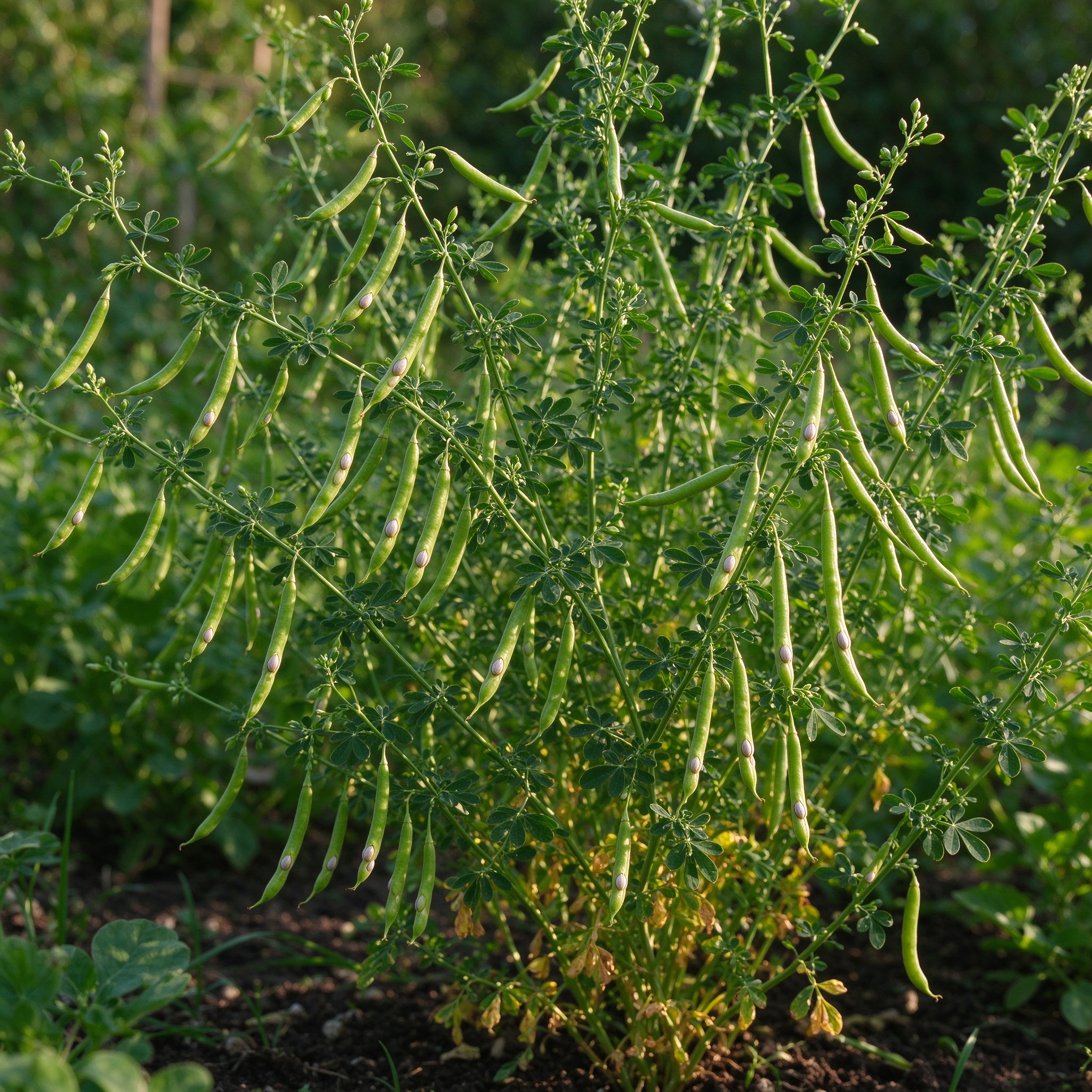
- •Fenugreek (Trigonella foenum-graecum) is an erect, freely branching annual in the pea family (Fabaceae), grown for both its tender young leaves and its hard, yellow-brown, rhomboid seeds, which carry a distinctive bitter-sweet, maple-like aroma.
- •Native to the eastern Mediterranean, the Middle East and western Asia, it has been cultivated for thousands of years as a spice, leafy vegetable, forage and green manure, and today it appears across Indian, Middle Eastern, North African and Ethiopian kitchens.
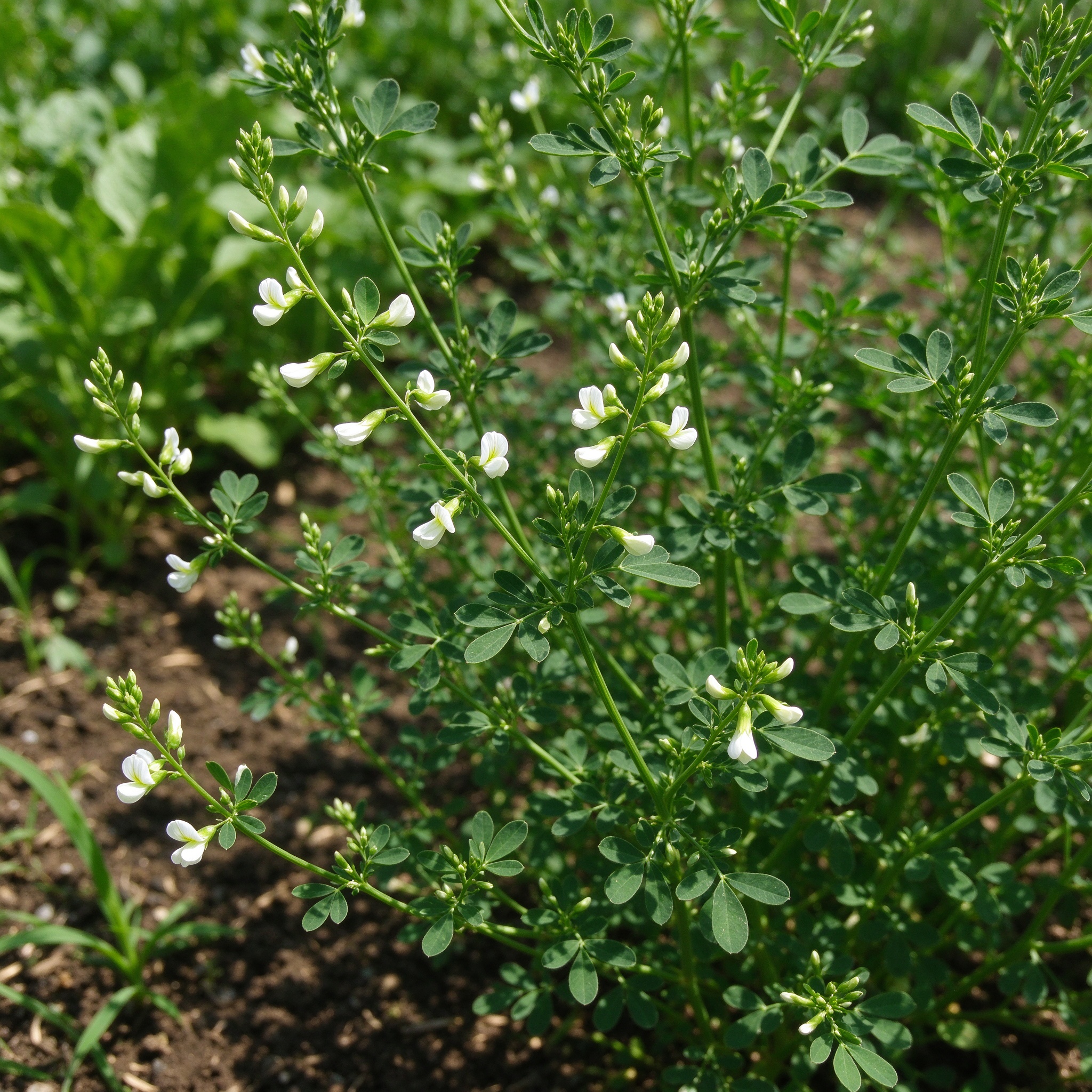
- •Plants grow 10 to 24 inches tall with slender, angular stems bearing three-part (trifoliate), toothed, oval leaflets that resemble small clover leaves.
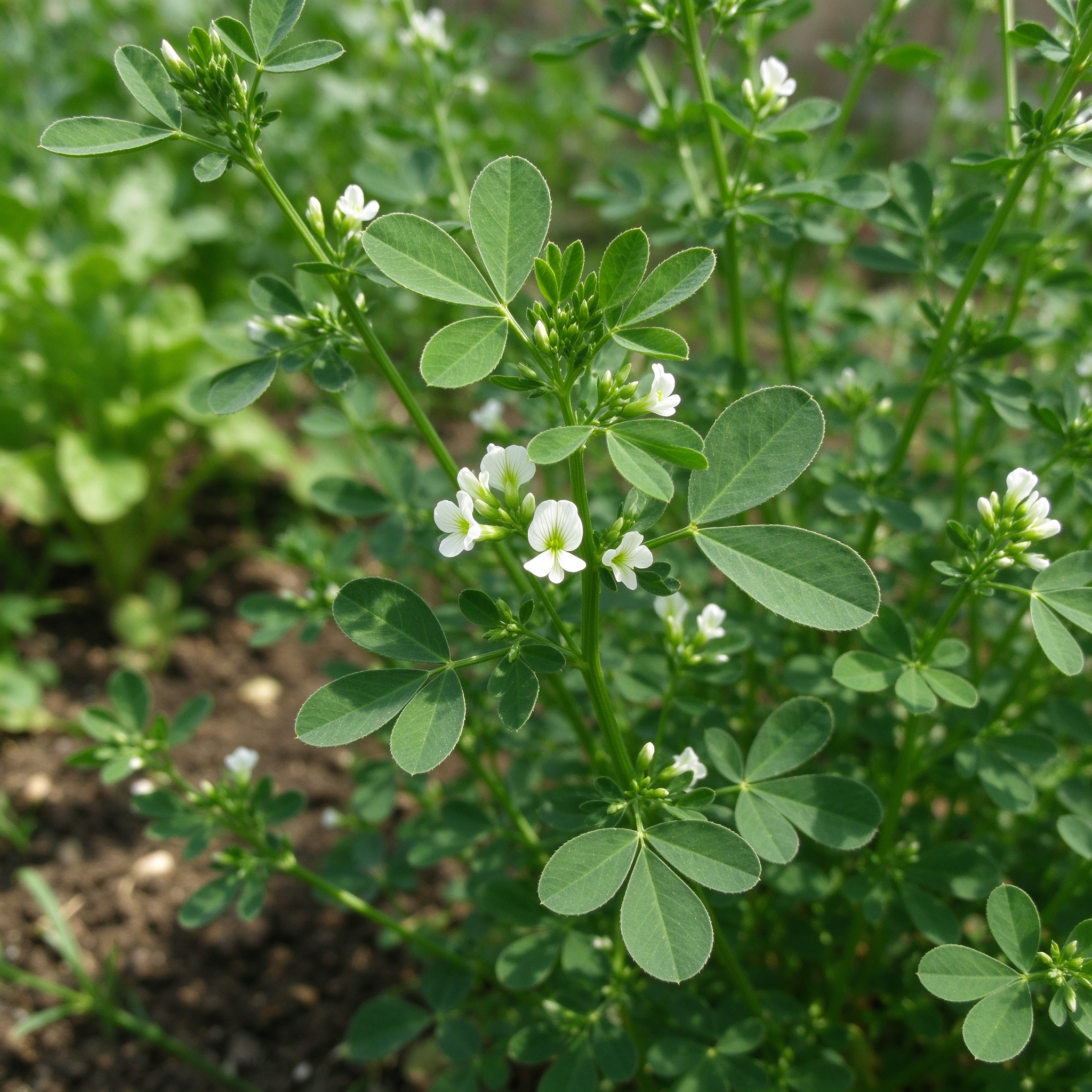
- •Small white to pale yellow pea-like flowers form in the leaf axils and are followed by slender, curved, sword-shaped pods up to 4 inches long, each holding 10 to 20 seeds.
- •Because fenugreek is a legume, root nodules host nitrogen-fixing bacteria, which enrich poor soil and make it a useful rotation or green-manure crop.
- •In South Asian cooking fresh fenugreek leaves are sold as methi and cooked like spinach; dried kasuri methi leaves are crumbled over curries; the roasted or soaked seeds are ground into spice blends, steeped as tea, sprouted, or used as a flavoring substitute for maple.
- •Fenugreek is a warm-season, frost-sensitive annual that is easy to grow from saved seed, though it resents root disturbance and should be direct-sown rather than transplanted.
📋 Quick Facts
Scientific Name: Trigonella foenum-graecum
Family: Fabaceae
Category: Herb
USDA Zones: 5–9 (warm-season annual; sown after frost and killed by fall frost; grown anywhere as a spring or summer annual crop)
Light:
- •Grow fenugreek in full sun, at least 6 to 8 hours of direct light per day.
- •Full sun keeps stems short and sturdy, increases pod set and concentrates the characteristic seed aroma.
- •Part shade produces taller, spindly plants that lodge under pod weight and set fewer seeds; deep shade should be avoided.
Water:
- •Water fenugreek evenly through its growth, about 1 inch per week, keeping the root zone moist but never waterlogged.
- •Established plants tolerate average moisture and short dry spells better than many vegetables, but drought stunts leaf production and causes early flowering under stress.
- •Water at the base in the morning to keep foliage dry, and reduce irrigation once pods begin to mature and dry on the stalk, since pods crack and mold in wet late-season weather.
- •A thin mulch around the plants conserves moisture and suppresses weeds without crowding the base.
Temperature:
- •Fenugreek is a warm-season annual that grows best between 60 and 75°F (16 to 24°C); NC State records a broader tolerance range of 45 to 80°F (7 to 27°C) over its life cycle.
- •Seeds will not germinate in cold, wet soil, and frost kills seedlings and mature plants, so sow after the last frost date.
- •Heat above about 85°F (29°C) speeds flowering and seed set and reduces leaf quality; in hot climates a light afternoon shade cloth preserves leaves longer, while in mild coastal areas the crop can stay productive through much of the season.
Soil:
- •Fenugreek adapts to average loam and light sandy loam, preferring well-drained soil with a pH between about 6.0 and 7.0 (acid to neutral).
- •It does best in moderately fertile ground but fixes its own nitrogen through root nodules, so it tolerates poorer soils better than nitrogen-hungry leafy crops.
- •Heavy clay that stays saturated after rain rots the shallow root system, so amend dense soil with compost and grow on raised beds or ridges where drainage is poor.
- •A loose, open seedbed helps the hard seeds establish quickly and makes weeding simple in the first few weeks.
Harvest:
- •Fenugreek leaves are ready about 30 to 40 days after sowing, when plants reach 10 to 12 inches high; cut young tender stems and outer leaves with scissors, leaving the center crown to regrow, and continue picking for several weeks before plants shift to flowering.
- •Whole young plants can be pulled for greens, but a plant grown for seed should be left intact.
- •Seeds mature about 95 to 110 days after sowing: pods turn pale yellow to brown and feel dry and papery while the seed inside hardens.
- •Before pods shatter and scatter their seed, pull entire plants, tie them in small bundles, and hang them in a cool, dry, dark, ventilated place until the pods are completely brittle.
- •Then thresh the pods by hand or on a screen, winnow away the papery husk, and store clean whole seeds in a sealed jar.
Common Problems: Root disturbance at transplanting, Aphids, Spider mites, Cutworms and tobacco cutworm, Flea beetles, Charcoal rot, Bacterial leaf spot, Root rot, Powdery mildew.
📅 When to Plant
- •Sow fenugreek directly in the garden after all danger of frost has passed and the soil has warmed to about 60 to 75°F (16 to 24°C); the optimum soil temperature for germination is 60 to 65°F (16 to 18°C), and seedlings usually emerge in 5 to 7 days.
- •Fenugreek does not like its roots disturbed, so direct sowing in its permanent site is preferred over tray starting.
- •Soak seeds in water overnight before planting to soften the hard coat, then sow about 1/4 inch deep, spacing seeds 1 to 2 inches apart in rows 12 to 18 inches apart.
- •After germination, thin to about 4 to 6 inches between plants for leaf harvest; plants grown for seed can be thinned a little wider, around 6 to 8 inches, to let branches and pods spread.
- •In long-season climates a second sowing can follow six to eight weeks later for another leaf crop; in short-season regions sow once in spring for both leaves and the final seed harvest.
🌱 Growing Stages
 1
Germination
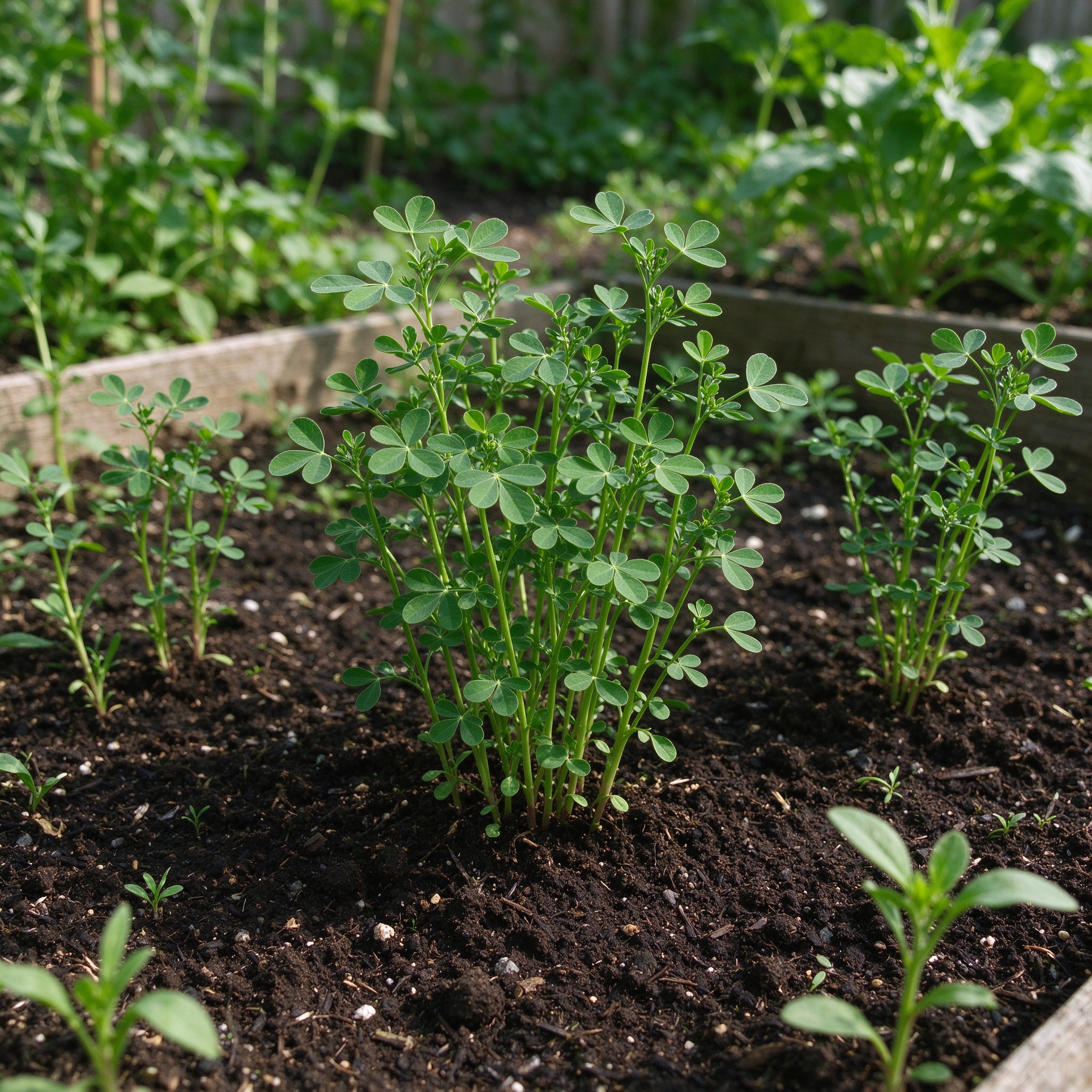
(5 to 7 days at 60–65°F)- •After an overnight soak, the hard fenugreek seed swells, splits its coat, and pushes a pale root and first two leaflets into moist, warm soil at 60 to 65°F (16 to 18°C); emergence normally completes in 5 to 7 days.
- •Cold wet soil delays sprouting and favors rot, so sowing after frost and warming is critical.
- •Keep the surface evenly moist rather than saturated during this short window.
 2
Vegetative leaf growth
(About 30 to 40 days)- •The seedling grows an erect, branching stem with trifoliate, clover-like leaflets; root nodules begin forming as legume bacteria colonize the roots and fix nitrogen.
- •This stage supplies the fresh methi leaves for harvest.
- •Even moisture and full sun keep the plant short and leafy; dry stress or shade pushes it toward early flowering and toughens the foliage.
 3
Flowering and pod set
(Several weeks in warm weather)- •Small white to pale yellow pea-like flowers open in the leaf axils and are pollinated by bees and small native insects.
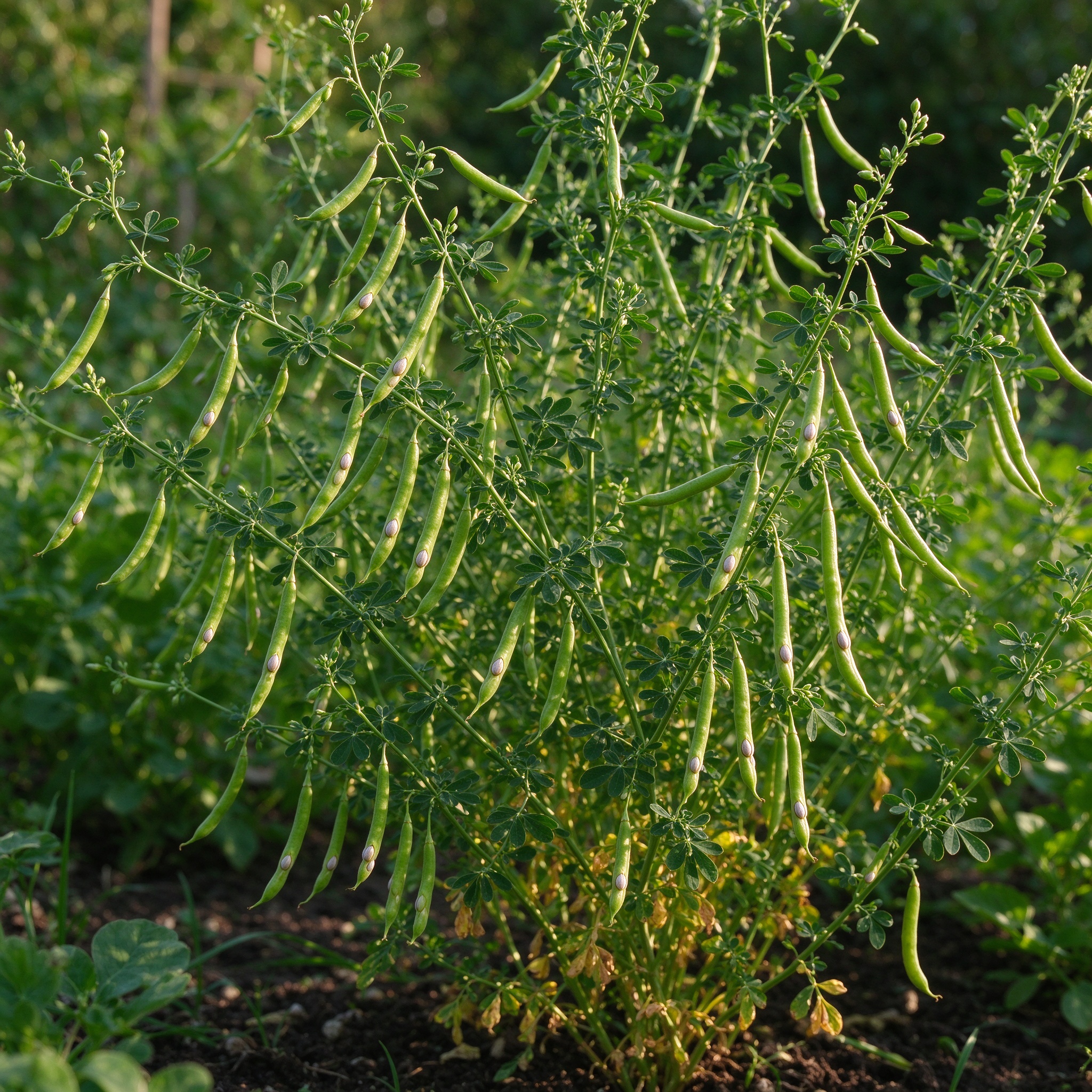
- •Each flower develops into a slender, curved, sword-shaped pod that lengthens toward 4 inches and holds 10 to 20 developing seeds.
- •Leaf harvest slows as energy moves to reproduction; watering at the base keeps pods dry and reduces fungal disease during this stage.
 4
Seed maturation
(About 95 to 110 days from sowing)- •Green pods turn pale yellow, then brown and papery, while the rhomboid seeds inside harden to a yellow-brown color and take on their characteristic bitter-maple aroma.
- •Pods must be harvested before they shatter on the stalk; pulled and bundled plants dry hanging until threshing releases clean seed.
- •The annual dies after seed ripening, completing a single warm-season cycle.
💧 Detailed Care Guide
☀️ Light Requirements
- •Grow fenugreek in full sun, at least 6 to 8 hours of direct light per day.
- •Full sun keeps stems short and sturdy, increases pod set and concentrates the characteristic seed aroma.
- •Part shade produces taller, spindly plants that lodge under pod weight and set fewer seeds; deep shade should be avoided.
💧 Watering
- •Water fenugreek evenly through its growth, about 1 inch per week, keeping the root zone moist but never waterlogged.
- •Established plants tolerate average moisture and short dry spells better than many vegetables, but drought stunts leaf production and causes early flowering under stress.
- •Water at the base in the morning to keep foliage dry, and reduce irrigation once pods begin to mature and dry on the stalk, since pods crack and mold in wet late-season weather.
- •A thin mulch around the plants conserves moisture and suppresses weeds without crowding the base.
🌡️ Temperature
- •Fenugreek is a warm-season annual that grows best between 60 and 75°F (16 to 24°C); NC State records a broader tolerance range of 45 to 80°F (7 to 27°C) over its life cycle.
- •Seeds will not germinate in cold, wet soil, and frost kills seedlings and mature plants, so sow after the last frost date.
- •Heat above about 85°F (29°C) speeds flowering and seed set and reduces leaf quality; in hot climates a light afternoon shade cloth preserves leaves longer, while in mild coastal areas the crop can stay productive through much of the season.
🌱 Soil & Fertilizer
Soil:
- •Fenugreek adapts to average loam and light sandy loam, preferring well-drained soil with a pH between about 6.0 and 7.0 (acid to neutral).
- •It does best in moderately fertile ground but fixes its own nitrogen through root nodules, so it tolerates poorer soils better than nitrogen-hungry leafy crops.
- •Heavy clay that stays saturated after rain rots the shallow root system, so amend dense soil with compost and grow on raised beds or ridges where drainage is poor.
- •A loose, open seedbed helps the hard seeds establish quickly and makes weeding simple in the first few weeks.
Fertilizer:
- •As a legume, fenugreek needs little or no nitrogen fertilizer: nodule bacteria fix atmospheric nitrogen for the plant, and extra nitrogen favors lush, weak foliage over seed set.
- •Work a little compost or aged manure into the bed before sowing to supply phosphorus and organic matter; a light balanced dressing at planting supports early growth.
- •Plants grown for pods benefit from moderate phosphorus and potassium, while leaf harvests rarely need supplemental feeding in improved soil.
- •Avoid fresh manure, which can burn seedlings and carry weed seed.
📝 Step-by-Step Planting Guide
- 1
Prepare a loose, well-drained seedbed in full sun
- •Choose a full-sun site after frost risk ends, and loosen the soil to a spade depth, removing stones and perennial weeds.
- •Mix in a modest amount of compost to improve drainage and organic matter, adjusting pH into the 6.0 to 7.0 range if a soil test shows strong acidity or alkalinity.
- •On heavy ground, build a low ridge or raised bed so the shallow legume roots never sit in pooled rainwater.
- •Fenugreek fixes its own nitrogen, so the bed does not need a heavy green manure or nitrogen feeding, but it should be open and easy for the emerging seedlings to break through.
- 2
Soak seed overnight and direct-sow in warm soil
- •Place fenugreek seeds in a cup of water to soak overnight; this softens the tough, wrinkled seed coat and shortens emergence to about 5 to 7 days at 60 to 65°F (16 to 18°C).
- •Sow about 1/4 inch deep, 1 to 2 inches apart, in rows 12 to 18 inches apart, and cover lightly with fine soil.
- •Keep the seedbed moist but not soaked through germination; cold soil below about 50°F (10°C) delays sprouting and rots the seed.
- •Because root disturbance causes severe shock, do not start fenugreek in trays and move it later unless a biodegradable pot lets the root go straight into the bed.
- 3
Thin plants and maintain even moisture
- •When seedlings are a few inches high, thin leaf crops to 4 to 6 inches apart and seed crops to 6 to 8 inches apart, cutting extras at the soil line rather than pulling and disturbing neighboring roots.
- •Water about 1 inch per week, keeping the root zone evenly moist and watering at the base in the morning.
- •Add a light mulch to conserve water and smother weeds while the small plants establish; hand-weed around the seedlings until the canopy closes and shades the soil.
- 4
Harvest leaves on a cut-and-come-again schedule
- •About 30 to 40 days after sowing, when plants reach 10 to 12 inches high, begin cutting young outer leaves and tender upper stems with scissors, leaving the central crown and a few leaflets on each plant to regrow.
- •Pick regularly to keep plants branching and delay flowering; a second light thinning or planting six to eight weeks later gives a follow-on leaf harvest.
- •Reserve selected plants untouched for pods, since repeated leaf stripping weakens a fenugreek plant and reduces seed yield.
- 5
Mature pods, pull plants and save clean seed
- •Plants grown for seed flower and set slender curved pods over the warm season; pods mature about 95 to 110 days after sowing, turning pale yellow to brown and papery.
- •Harvest before pods shatter and drop seeds onto the ground: pull whole plants, tie them into small bundles, and hang upside down in a cool, dry, dark, ventilated place until pods are brittle.
- •Thresh by rubbing the pods between hands or over a screen, winnow away papery husk, and store the clean, hard, yellow-brown seeds in a sealed jar away from heat and light for the next season's sowing and kitchen use.
🌱 Recommended Varieties
Common Green Fenugreek (Methi)
- •The ordinary open-pollinated fenugreek grown for both fresh leaves and spice seeds, used across Indian, Middle Eastern and African cooking.
- •It produces trifoliate green foliage for methi greens and curved pods containing the yellow-brown, maple-scented seed for curry blends, tea and sprouts.
Kasuri Methi
- •A leaf-focused fenugreek selection used for dried kasuri methi, the crumbled herb that finishes curries and stews with a distinctive bittersweet aroma.
- •Leaves are harvested young and dried in shade before storage; seed set remains possible if plants are left untouched through the season.
Sprouting Fenugreek
- •Selected for uniform, fast-germinating seeds that soak and sprout readily for sprout jars and microgreen mixes, with a milder bitter flavor than spice-grade seed.
- •Plants still yield usable leaves and pods in the garden, though they are bred mainly for reliable germination and tender young shoots.
🪴 Growing in Containers
- Grow fenugreek in a wide, deep pot in full sun:
- •Use an 8 to 10 inch deep container wide enough for several plants, filled with a loose, well-drained potting mix.
- •Sow soaked seed directly into the pot rather than transplanting, thin to a few sturdy plants, and place the pot on a sunny patio or windowsill with at least six hours of light.
- •Because containers heat fast, check soil moisture daily and keep roots evenly watered; pick outer leaves regularly for a continual small harvest.
- Keep a succession of pots for leaves:
- •Fenugreek bolts to seed in one warm cycle, so grow two or three small pots on a succession: sow a new one every three to four weeks through the growing season to follow leaf crops before they flower.
- •Feed only lightly with diluted balanced liquid if leaves pale, since the legume fixes its own nitrogen; move pots into light shade during extreme heat to extend the leaf window.
✂️ Pruning & Maintenance
- ✓
Harvest outer leaves to keep plants producing
- •Fenugreek needs no formal shaping.
- •Regular cutting of mature outer leaves and tender upper stems encourages the plant to branch and keep producing fresh methi; leave the central crown and a few leaflets on each stem so growth continues.
- •Frequent small picking outperforms a single heavy stripping, which weakens the plant and shortens the harvest.
- ✓
Respect leaf and seed crop limits
- •Plants grown for pods should not be stripped of leaves; remove only occasional outer leaf so the plant keeps photosynthesizing through flowering and pod fill.
- •If a seed-bearing plant lodges or grows tall, provide a thin twig support rather than cutting the main stem; save pruning mainly to the leaf-harvest pots and bed sections.
🐛 Pest & Disease Control
Common Pests
Aphids
Symptoms:- •Soft green or pale clusters gather on tender shoot tips and leaf undersides, distorting new growth and excreting honeydew that feeds sooty mold on leaves.
- •Heavy colonies on flowering stems can weaken pod set.
Control:- •Wash aphids off with a strong morning water jet, then apply insecticidal soap to shoot tips and leaf undersides.
- •Ladybugs and parasitic wasps naturally control colonies; avoid broad-spectrum insecticides that kill these beneficial insects, and remove weeds that shelter aphids near the fenugreek bed.
Spider mites
Symptoms:- •Fine pale stippling appears across upper leaf surfaces, later turning bronzed and dry, with faint webbing visible on stems and leaf undersides in hot, dry, dusty air.
- •Mite damage often shows during the same warm, dry spell that speeds flowering.
Control:- •Raise humidity around plants by regular watering and occasional foliage washing, and keep dust down near the bed.
- •Apply horticultural oil or insecticidal soap at the first stippling, targeting undersides; predatory mites control outbreaks in open gardens, and badly infested leaves should be removed.
Cutworms and tobacco cutworm
Symptoms: Young seedlings are cut at the soil line at night by dull-colored caterpillars that hide in the topsoil; the tobacco cutworm (Spodoptera litura) also chews irregular holes in leaves, leaving skeletonized patches and dark frass on damaged plants.Control:- •Protect seedlings with cardboard or foil collars pushed an inch into the soil, handpick caterpillars at night with a flashlight, and keep the bed free of weed and plant debris where cutworms rest.
- •Till the seedbed before sowing to expose pupae to birds; approved Bt biological treatments target caterpillars without harming bees on the small flowers.
Flea beetles
Symptoms:- •Tiny jumping beetles chew numerous small shot holes through young leaflets, giving foliage a pocked, ragged look; seedlings are most vulnerable before leaves fully expand.
- •Damage favors warm, dry soil near weedy edges.
Control:- •Use fine row covers over young seedlings until plants flower, remove nearby weeds, and keep the soil mulched so beetles cannot easily lay eggs near the base.
- •Dust or insecticidal soap applied early in morning reduces feeding; trap adults on sticky boards placed at soil level.
Common Diseases
Charcoal rot (Macrophomina phaseolina)
Symptoms: NC State records Macrophomina phaseolina, a charcoal rot fungus, as a fenugreek disease: lower stems develop grayish to silvery lesions, plants wilt and die back in hot dry weather, and tiny black fungal bodies (sclerotia) appear inside the stem tissue.Control:- •Rotate fenugreek with non-legume crops for several years, avoid stress through even moisture and good drainage, and remove infected plants promptly.
- •Do not compost diseased material; the fungus survives in soil debris, so clean beds before the next legume planting.
Bacterial leaf spot (Pseudomonas syringae)
Symptoms: NC State lists Pseudomonas syringae as a bacterial fenugreek disease: small, water-soaked spots develop on leaves, turning brown to black and angular as they spread; lesions merge and kill patches of foliage during wet, splashing weather.Control:- •Use clean, saved seed from healthy pods, water at the base in the morning rather than overhead, and space plants for airflow.
- •Remove and destroy spotted leaves immediately, avoid handling wet plants, and rotate away from susceptible legumes and solanaceous hosts.
Root rot in wet soil
Symptoms: In heavy, poorly drained or overwatered soil the shallow roots turn brown and soft, plants yellow, stunt and wilt, and seedlings collapse after a period of rain; the issue is most common in compacted clay or overwatered pots.Control:- •Grow in loose amended soil or raised beds, let the top layer dry between irrigations, and ensure containers have open drainage holes.
- •Remove affected plants, improve site drainage before resowing, and avoid fresh manure that keeps the root zone overly wet.
Powdery mildew
Symptoms: A pale white powdery coating spreads over leaflets and stems during humid, still, crowded conditions; leaves twist, yellow and die back, reducing leaf yield and pod fill in late-season plantings.Control:- •Thin plants to open spacing and air circulation, water at the base rather than wetting foliage, and remove dense weeds around the base.
- •Apply sulfur or potassium-bicarbonate spray at the first white patches, and choose a morning-sun site that dries leaves after dew.
🍅 When to Harvest
- •Fenugreek leaves are ready about 30 to 40 days after sowing, when plants reach 10 to 12 inches high; cut young tender stems and outer leaves with scissors, leaving the center crown to regrow, and continue picking for several weeks before plants shift to flowering.
- •Whole young plants can be pulled for greens, but a plant grown for seed should be left intact.
- •Seeds mature about 95 to 110 days after sowing: pods turn pale yellow to brown and feel dry and papery while the seed inside hardens.
- •Before pods shatter and scatter their seed, pull entire plants, tie them in small bundles, and hang them in a cool, dry, dark, ventilated place until the pods are completely brittle.
- •Then thresh the pods by hand or on a screen, winnow away the papery husk, and store clean whole seeds in a sealed jar.
❓ Frequently Asked Questions
- 1
How to grow fenugreek from seeds?
- •Sow fenugreek directly after the last frost when soil reaches about 60 to 75°F (16 to 24°C); germination is fastest at the 60 to 65°F optimum and takes 5 to 7 days.
- •Soak the hard seeds in water overnight to soften the coat, then sow about 1/4 inch deep, 1 to 2 inches apart, in rows 12 to 18 inches apart.
- •Thin leaf crops to 4 to 6 inches apart and seed crops to 6 to 8 inches. Fenugreek dislikes root disturbance, so do not transplant it.
- •Grow in full sun, loose well-drained soil pH 6.0 to 7.0, and about 1 inch of water per week at the base.
- •It fixes its own nitrogen, so skip heavy nitrogen fertilizer; leaves are ready in 30 to 40 days, pods in 95 to 110 days.
- 2
How to save fenugreek seeds?
- •Let seed plants mature through the warm season: pods lengthen into slender curved swords and turn pale yellow to brown and papery about 95 to 110 days after sowing, with the seeds inside hardening to yellow-brown.
- •Before pods shatter and drop their seed, pull the entire plants, tie them in small bundles, and hang upside down in a cool, dry, dark, ventilated place until pods are fully brittle.
- •Thresh by rubbing pods between your hands or over a screen, winnow away papery husk, and store clean whole seeds in a sealed jar away from heat and light.
- •Fenugreek is open-pollinated, so saved seeds grow true for next season; keep rows away from other legume crops if you want pure stock.
- 3
What is fenugreek called in Spanish? Is it fenogreco or alholva?
- •In English the plant is fenugreek (Trigonella foenum-graecum); in most of Latin America it is called fenogreco and its seeds are semillas de fenogreco, while in Spain the common name is alholva.
- •The spice, fresh leaf (methi) and seeds all refer to the same annual legume, so gardening information, recipes and seed sources match across these names.
- 4
Does fenugreek fix nitrogen?
- •Yes.
- •As a member of the Fabaceae legume family, fenugreek forms root nodules that host nitrogen-fixing bacteria, which take atmospheric nitrogen and make it available to the plant and following crops.
- •NC State notes its nitrogen-fixing properties make it useful as a rotation crop; grow it as a short green manure before heavy feeders, but dig or cut it down before seed set so nitrogen remains in the soil rather than locking into mature seed.
- 5
Is fenugreek toxic to cats and dogs?
- •Fenugreek is not listed by ASPCA as toxic to cats, dogs or horses, and culinary leaf and seed amounts are generally safe around pets.
- •Its seeds contain saponins that are poorly absorbed by the body, but large medicinal quantities can cause mild stomach upset, loose stools or gas in sensitive animals.
- •Do not feed pets medicinal-strength ground seed or fenugreek supplements without veterinary advice.
- 6
Can fenugreek be grown in containers?
- •Yes.
- •Use an 8 to 10 inch deep, wide container with drainage holes, fill with loose well-drained potting mix, and sow soaked seed directly in the pot, thinning to a few sturdy plants.
- •Place it in full sun with at least six hours of light and keep the mix evenly moist but not saturated.
- •Because one plant quickly bolts to seed in a warm cycle, keep a succession of small pots sown every few weeks for regular fresh leaves.
- •Container fenugreek rarely yields large quantities of pods, but leaf harvests and sprouts are easy on a patio or sunny windowsill.
Source:
NC State Extension Gardener Plant Toolbox — Trigonella foenum-graecum — https://plants.ces.ncsu.edu/images/plants/trigonella-foenum-graecum/
Photo credit: NC State Extension
Images courtesy of NC State Extension under CC BY license. Thank you to the photographers who make these educational images available.
License: CC BY-NC 2.0 / CC BY 4.0